<feed xmlns="http://www.w3.org/2005/Atom"><title>thacoindustrieseurope&#39;s Ownd</title><link href="https://thacoindustrieseurope.storeinfo.jp"></link><id>https://thacoindustrieseurope.storeinfo.jp</id><author><name>thacoindustrieseurope</name></author><updated>2025-12-18T02:03:54+00:00</updated><entry><title><![CDATA["Latest Trends and Future Predictions for NDT Inspection Services "]]></title><link rel="alternate" href="https://thacoindustrieseurope.storeinfo.jp/posts/58293997/"></link><id>https://thacoindustrieseurope.storeinfo.jp/posts/58293997</id><summary><![CDATA[As the mechanical engineering sector continues to evolve, non-destructive testing (NDT) inspection services are increasingly becoming vital to ensuring quality and safety in manufacturing processes. With technology advancing at an unprecedented pace, it's essential to stay updated with the latest trends and predictions for the future of NDT services. This blog post delves into contemporary advancements in NDT techniques and their implications for mechanical engineering and supporting industries.
See Article Details At: ndt inspection services

1. The Rise of Automation in NDT
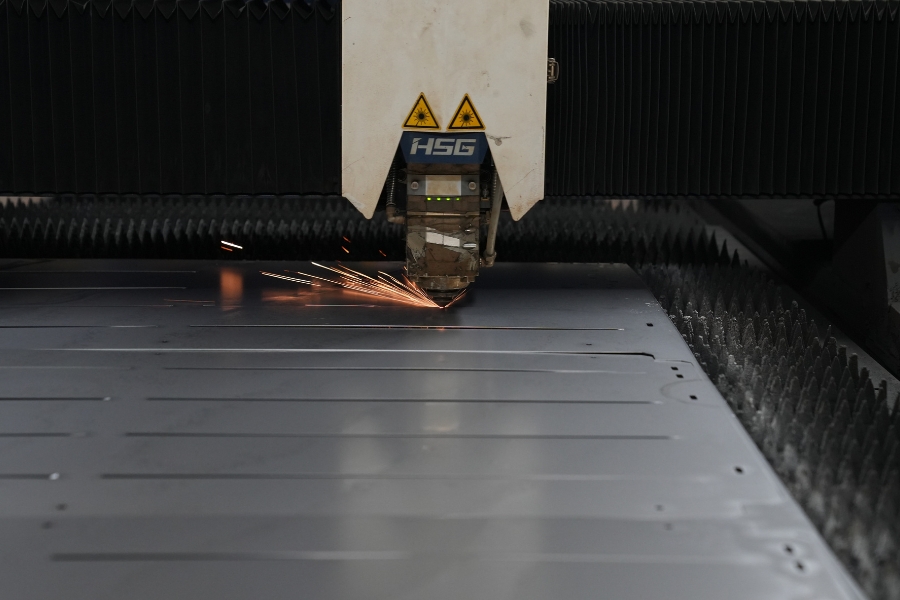
One of the most significant trends in NDT inspection services is the increasing adoption of automation. Robotics and automated systems are being integrated into NDT processes to enhance efficiency and reduce human error. Automated ultrasonic testing, for instance, allows for faster and more accurate inspections of large components, which is particularly beneficial in industries such as aerospace and automotive manufacturing. Benefits of automation include:View At: NDT Inspection Services You Can Trust

    Increased throughput and productivity.
    Enhanced precision and repeatability of inspections.
    Reduced operational costs over time.

As we move forward, we can expect automation to become the norm, with more sophisticated technologies being developed to perform complex inspections without the need for extensive human intervention.See More At: Latest Trends and Future Predictions for NDT Inspection Services


2. Advancements in NDT Technologies
Another notable trend is the rapid development of advanced NDT technologies. Techniques such as phased array ultrasonic testing (PAUT) and digital radiography (DR) are gaining traction due to their ability to provide detailed inspection data in real-time. These technologies not only improve the accuracy of inspections but also allow for immediate decision-making, which is crucial in high-stakes environments. Key advancements include:See More At: Avoid Common Mistakes in NDT Inspection Services for Mechanical Engineering


    Enhanced imaging capabilities for better defect detection.
    Integration of artificial intelligence (AI) for data analysis.
    Portability of equipment, making inspections feasible in remote locations.

With ongoing research and development, we can anticipate even more ground-breaking innovations that will revolutionize the NDT landscape.

3. The Growing Importance of Data Analytics
Data analytics plays a crucial role in the future of NDT inspection services. As more data is collected from inspection processes, the ability to analyze that data effectively becomes paramount. Companies are investing in software solutions that utilize machine learning algorithms to identify patterns and predict potential failures before they occur. The role of data analytics includes:

    Improving predictive maintenance strategies.
    Enhancing the accuracy of inspections through data correlation.
    Facilitating better decision-making processes based on historical data.

The integration of data analytics in NDT services is set to increase efficiency and reliability, highlighting the need for skilled professionals who can interpret and utilize this data effectively.

4. Sustainability and Eco-Friendly Practices
As industries face mounting pressure to adopt sustainable practices, NDT inspection services are also evolving to meet these demands. The shift towards eco-friendly methods is becoming evident, with a focus on reducing waste and energy consumption during inspections. Techniques that minimize the use of hazardous materials and promote environmental safety are gaining popularity. Key aspects of sustainability in NDT include:

    Utilization of non-toxic inspection methods.
    Reduction of resource consumption through efficient techniques.
    Implementation of recycling practices for inspection materials.

With increasing regulatory pressures and societal expectations, the NDT industry must align with sustainable practices to remain relevant and responsible.

5. Skills Development and Workforce Challenges
As NDT technologies evolve, the demand for skilled professionals who can operate and interpret advanced inspection methodologies is growing. However, there is a noticeable skills gap in the workforce, making it challenging for companies to find qualified personnel. Addressing this challenge involves:

    Investing in training programs and certifications.
    Encouraging knowledge transfer among experienced professionals.
    Adapting curricula in engineering and technical schools to include modern NDT techniques.

By focusing on skills development, the industry can better prepare for the future demands of NDT inspection services.

Conclusion
In conclusion, the future of NDT inspection services in mechanical engineering and supporting industries is bright, characterized by automation, technological advancements, data analytics, sustainability, and a focus on workforce development. As these trends continue to unfold, it is imperative for stakeholders to adapt and embrace these changes to ensure compliance, safety, and efficiency in their operations. Investing in NDT services today will pave the way for a more reliable and innovative industry tomorrow. Take action now to stay ahead of the curve!With strong engineering capabilities and modern production facilities, THACO Industries delivers reliable OEM manufacturing services tailored to diverse industries. Partner with THACO Industries for a comprehensive OEM manufacturing service in Vietnam, from product design and precision fabrication to final assembly, testing, and integrated logistics.
#ndt_inspection_services, #ndtinspectionservices, #THACO_Industries, #THACOIndustries, #THACO_Industries]]></summary><author><name>thacoindustrieseurope</name></author><published>2025-12-18T02:03:54+00:00</published><updated>2025-12-18T02:03:54+00:00</updated><content type="html"><![CDATA[<p>As the mechanical engineering sector continues to evolve, non-destructive testing (NDT) inspection services are increasingly becoming vital to ensuring quality and safety in manufacturing processes. With technology advancing at an unprecedented pace, it's essential to stay updated with the latest trends and predictions for the future of NDT services. This blog post delves into contemporary advancements in NDT techniques and their implications for mechanical engineering and supporting industries.</p><br><img src="https://thacoindustries.com/wp-content/uploads/2025/10/Web_THACO-ID_TDTV-38.png"></br>
See Article Details At: <a href="https://thacoindustries.com/en/ndt-inspection-services/">ndt inspection services</a>

<h2>1. The Rise of Automation in NDT</h2>
<p>One of the most significant trends in NDT inspection services is the increasing adoption of automation. Robotics and automated systems are being integrated into NDT processes to enhance efficiency and reduce human error. Automated ultrasonic testing, for instance, allows for faster and more accurate inspections of large components, which is particularly beneficial in industries such as aerospace and automotive manufacturing. <strong>Benefits of automation</strong> include:</p><br>View At: <a href="https://ko-fi.com/i/IO4O31QH5TT">NDT Inspection Services You Can Trust</a></br><br><img src="https://thacoindustries.com/wp-content/uploads/2025/10/Web_THACO-ID_TDTV-38.png"></br>
<ul>
    <li>Increased throughput and productivity.</li>
    <li>Enhanced precision and repeatability of inspections.</li>
    <li>Reduced operational costs over time.</li>
</ul>
<p>As we move forward, we can expect automation to become the norm, with more sophisticated technologies being developed to perform complex inspections without the need for extensive human intervention.</p><br>See More At: <a href="https://thacoids.wixsite.com/thacoindustries/post/latest-trends-and-future-predictions-for-ndt-inspection-services">Latest Trends and Future Predictions for NDT Inspection Services
</a></br><br><img src="https://thacoindustries.com/wp-content/uploads/2025/10/Web_THACO-ID_TDTV-38.png"></br>

<h2>2. Advancements in NDT Technologies</h2>
<p>Another notable trend is the rapid development of advanced NDT technologies. Techniques such as phased array ultrasonic testing (PAUT) and digital radiography (DR) are gaining traction due to their ability to provide detailed inspection data in real-time. These technologies not only improve the accuracy of inspections but also allow for immediate decision-making, which is crucial in high-stakes environments. <strong>Key advancements include:</strong></p><br>See More At: <a href="https://telegra.ph/Avoid-Common-Mistakes-in-NDT-Inspection-Services-for-Mechanical-Engineering-12-18">Avoid Common Mistakes in NDT Inspection Services for Mechanical Engineering
</a></br>
<ul>
    <li>Enhanced imaging capabilities for better defect detection.</li>
    <li>Integration of artificial intelligence (AI) for data analysis.</li>
    <li>Portability of equipment, making inspections feasible in remote locations.</li>
</ul>
<p>With ongoing research and development, we can anticipate even more ground-breaking innovations that will revolutionize the NDT landscape.</p>

<h2>3. The Growing Importance of Data Analytics</h2>
<p>Data analytics plays a crucial role in the future of NDT inspection services. As more data is collected from inspection processes, the ability to analyze that data effectively becomes paramount. Companies are investing in software solutions that utilize machine learning algorithms to identify patterns and predict potential failures before they occur. <strong>The role of data analytics includes:</strong></p>
<ul>
    <li>Improving predictive maintenance strategies.</li>
    <li>Enhancing the accuracy of inspections through data correlation.</li>
    <li>Facilitating better decision-making processes based on historical data.</li>
</ul>
<p>The integration of data analytics in NDT services is set to increase efficiency and reliability, highlighting the need for skilled professionals who can interpret and utilize this data effectively.</p>

<h2>4. Sustainability and Eco-Friendly Practices</h2>
<p>As industries face mounting pressure to adopt sustainable practices, NDT inspection services are also evolving to meet these demands. The shift towards eco-friendly methods is becoming evident, with a focus on reducing waste and energy consumption during inspections. Techniques that minimize the use of hazardous materials and promote environmental safety are gaining popularity. <strong>Key aspects of sustainability in NDT include:</strong></p>
<ul>
    <li>Utilization of non-toxic inspection methods.</li>
    <li>Reduction of resource consumption through efficient techniques.</li>
    <li>Implementation of recycling practices for inspection materials.</li>
</ul>
<p>With increasing regulatory pressures and societal expectations, the NDT industry must align with sustainable practices to remain relevant and responsible.</p>

<h2>5. Skills Development and Workforce Challenges</h2>
<p>As NDT technologies evolve, the demand for skilled professionals who can operate and interpret advanced inspection methodologies is growing. However, there is a noticeable skills gap in the workforce, making it challenging for companies to find qualified personnel. <strong>Addressing this challenge involves:</strong></p>
<ul>
    <li>Investing in training programs and certifications.</li>
    <li>Encouraging knowledge transfer among experienced professionals.</li>
    <li>Adapting curricula in engineering and technical schools to include modern NDT techniques.</li>
</ul>
<p>By focusing on skills development, the industry can better prepare for the future demands of NDT inspection services.</p>

<h2>Conclusion</h2>
<p>In conclusion, the future of NDT inspection services in mechanical engineering and supporting industries is bright, characterized by automation, technological advancements, data analytics, sustainability, and a focus on workforce development. As these trends continue to unfold, it is imperative for stakeholders to adapt and embrace these changes to ensure compliance, safety, and efficiency in their operations. <strong>Investing in NDT services today will pave the way for a more reliable and innovative industry tomorrow. Take action now to stay ahead of the curve!</strong></p><p>With strong engineering capabilities and modern production facilities, <a href="https://thacoindustries.com/en/">THACO Industries</a> delivers reliable OEM manufacturing services tailored to diverse industries. Partner with THACO Industries for a comprehensive OEM manufacturing service in Vietnam, from product design and precision fabrication to final assembly, testing, and integrated logistics.</p>
#ndt_inspection_services, #ndtinspectionservices, #THACO_Industries, #THACOIndustries, #THACO_Industries]]></content></entry><entry><title><![CDATA["Lessons Learned: Real-World Insights from Conveyor Manufacturers "]]></title><link rel="alternate" href="https://thacoindustrieseurope.storeinfo.jp/posts/58293926/"></link><id>https://thacoindustrieseurope.storeinfo.jp/posts/58293926</id><summary><![CDATA[In the fast-evolving sector of Mechanical Engineering and Supporting Industries, understanding the nuances of conveyor manufacturing can save businesses significant time and resources. This blog post draws upon real-world experiences and hard-earned lessons to highlight common pitfalls in conveyor manufacturing, offering insights that can guide both new and seasoned manufacturers towards more efficient practices.
See Article Details At: conveyor manufacturer

Common Mistake 1: Underestimating Design Complexity
One of the most significant errors in conveyor manufacturing is underestimating the complexity of the design process. Many manufacturers dive into production without fully understanding the specific requirements of their projects. Real-world lesson: Engage with design engineers early in the process. This collaboration ensures that all aspects, from load capacities to spatial constraints, are taken into account.

    Conduct comprehensive needs assessments.
    Incorporate client feedback into design iterations.
    Utilize advanced software for simulation before physical prototypes.


Common Mistake 2: Ignoring Material Selection
The choice of materials can make or break the efficiency and longevity of a conveyor system. A common oversight is selecting materials based solely on cost rather than suitability. Key takeaway: Invest time in researching material properties and their suitability for specific applications, as this directly affects durability and maintenance costs.

    Consider environmental factors (e.g., temperature, humidity).
    Evaluate the load and wear characteristics of materials.
    Consult suppliers for the latest material innovations.


Common Mistake 3: Neglecting Maintenance Protocols
Another critical area often overlooked is the establishment of maintenance protocols. Conveyor systems require regular upkeep to operate efficiently. Failing to implement a robust maintenance schedule can lead to unexpected downtimes and costly repairs. Lesson learned: Create a comprehensive maintenance plan that includes routine inspections and timely upgrades.View At: Latest Trends and Future Predictions for Conveyor Manufacturers


    Schedule regular checks on belt conditions, alignment, and tension.
    Train staff on basic maintenance procedures.
    Document maintenance activities to track system performance.


Common Mistake 4: Poor Communication Between Teams
A lack of communication between different teams—design, production, and sales—can significantly hinder the manufacturing process. Each team has valuable insights that can improve the final product. Experience suggests: Foster an environment of open communication to ensure that all perspectives are considered, resulting in a well-rounded conveyor design.

    Hold regular cross-departmental meetings.
    Utilize collaborative tools for project tracking.
    Encourage sharing of insights and challenges faced by each team.


Common Mistake 5: Overlooking Compliance and Safety Standards
In the race to meet production deadlines, manufacturers may overlook crucial compliance and safety regulations. This can lead to regulatory fines and compromised worker safety. Important reminder: Stay updated with industry standards and ensure that all conveyor systems adhere to safety protocols.

    Regularly review local and international safety standards.
    Incorporate safety features in the design phase.
    Conduct safety training for all employees involved in the manufacturing process.


Conclusion: Embrace Lessons for Future Success
In conclusion, the journey of a conveyor manufacturer is fraught with challenges that can be transformed into valuable lessons. By acknowledging these common mistakes and implementing the suggestions outlined in this post, manufacturers can enhance their efficiency and product quality. Call to action: If you're in the conveyor manufacturing industry, reflect on these lessons, and consider how they can be applied to your operations for greater success.With strong engineering capabilities and modern production facilities, THACO Industries delivers reliable OEM manufacturing services tailored to diverse industries. Partner with THACO Industries for a comprehensive OEM manufacturing service in Vietnam, from product design and precision fabrication to final assembly, testing, and integrated logistics.
#conveyor_manufacturer, #conveyormanufacturer, #THACO_Industries, #THACOIndustries, #THACO_Industries]]></summary><author><name>thacoindustrieseurope</name></author><published>2025-12-18T01:50:15+00:00</published><updated>2025-12-18T01:50:18+00:00</updated><content type="html"><![CDATA[<p>In the fast-evolving sector of Mechanical Engineering and Supporting Industries, understanding the nuances of conveyor manufacturing can save businesses significant time and resources. This blog post draws upon real-world experiences and hard-earned lessons to highlight common pitfalls in conveyor manufacturing, offering insights that can guide both new and seasoned manufacturers towards more efficient practices.</p><br><img src="https://thacoindustries.com/wp-content/uploads/2025/12/built-for-stability-performance-and-extended-service-life.jpg"></br>
See Article Details At: <a href="https://thacoindustries.com/en/conveyor-manufacturer/">conveyor manufacturer</a>

<h2>Common Mistake 1: Underestimating Design Complexity</h2>
<p>One of the most significant errors in conveyor manufacturing is underestimating the complexity of the design process. Many manufacturers dive into production without fully understanding the specific requirements of their projects. <strong>Real-world lesson:</strong> Engage with design engineers early in the process. This collaboration ensures that all aspects, from load capacities to spatial constraints, are taken into account.<br><img src="https://thacoindustries.com/wp-content/uploads/2025/12/conveyor-systems-engineered-for-multiple-sectors.jpg"></br>
<ul>
    <li>Conduct comprehensive needs assessments.</li>
    <li>Incorporate client feedback into design iterations.</li>
    <li>Utilize advanced software for simulation before physical prototypes.</li>
</ul>

<h2>Common Mistake 2: Ignoring Material Selection</h2>
<p>The choice of materials can make or break the efficiency and longevity of a conveyor system. A common oversight is selecting materials based solely on cost rather than suitability. <strong>Key takeaway:</strong> Invest time in researching material properties and their suitability for specific applications, as this directly affects durability and maintenance costs.</p><br><img src="https://thacoindustries.com/wp-content/uploads/2025/12/diverse-conveyor-options-for-modern-industrial-needs.jpg"></br>
<ul>
    <li>Consider environmental factors (e.g., temperature, humidity).</li>
    <li>Evaluate the load and wear characteristics of materials.</li>
    <li>Consult suppliers for the latest material innovations.</li>
</ul>

<h2>Common Mistake 3: Neglecting Maintenance Protocols</h2>
<p>Another critical area often overlooked is the establishment of maintenance protocols. Conveyor systems require regular upkeep to operate efficiently. Failing to implement a robust maintenance schedule can lead to unexpected downtimes and costly repairs. <strong>Lesson learned:</strong> Create a comprehensive maintenance plan that includes routine inspections and timely upgrades.</p><br>View At: <a href="https://www.notion.so/Latest-Trends-and-Future-Predictions-for-Conveyor-Manufacturers-2cdd39c1221780a6ac09d3479cbc3d25?source=copy_link">Latest Trends and Future Predictions for Conveyor Manufacturers
</a></br>
<ul>
    <li>Schedule regular checks on belt conditions, alignment, and tension.</li>
    <li>Train staff on basic maintenance procedures.</li>
    <li>Document maintenance activities to track system performance.</li>
</ul>

<h2>Common Mistake 4: Poor Communication Between Teams</h2>
<p>A lack of communication between different teams—design, production, and sales—can significantly hinder the manufacturing process. Each team has valuable insights that can improve the final product. <strong>Experience suggests:</strong> Foster an environment of open communication to ensure that all perspectives are considered, resulting in a well-rounded conveyor design.
<ul>
    <li>Hold regular cross-departmental meetings.</li>
    <li>Utilize collaborative tools for project tracking.</li>
    <li>Encourage sharing of insights and challenges faced by each team.</li>
</ul>

<h2>Common Mistake 5: Overlooking Compliance and Safety Standards</h2>
<p>In the race to meet production deadlines, manufacturers may overlook crucial compliance and safety regulations. This can lead to regulatory fines and compromised worker safety. <strong>Important reminder:</strong> Stay updated with industry standards and ensure that all conveyor systems adhere to safety protocols.</p>
<ul>
    <li>Regularly review local and international safety standards.</li>
    <li>Incorporate safety features in the design phase.</li>
    <li>Conduct safety training for all employees involved in the manufacturing process.</li>
</ul>

<h2>Conclusion: Embrace Lessons for Future Success</h2>
<p>In conclusion, the journey of a conveyor manufacturer is fraught with challenges that can be transformed into valuable lessons. By acknowledging these common mistakes and implementing the suggestions outlined in this post, manufacturers can enhance their efficiency and product quality. <strong>Call to action:</strong> If you're in the conveyor manufacturing industry, reflect on these lessons, and consider how they can be applied to your operations for greater success.</p><p>With strong engineering capabilities and modern production facilities, <a href="https://thacoindustries.com/en/">THACO Industries</a> delivers reliable OEM manufacturing services tailored to diverse industries. Partner with THACO Industries for a comprehensive OEM manufacturing service in Vietnam, from product design and precision fabrication to final assembly, testing, and integrated logistics.</p>
#conveyor_manufacturer, #conveyormanufacturer, #THACO_Industries, #THACOIndustries, #THACO_Industries]]></content></entry><entry><title><![CDATA[Optimize Costs & Efficiency in Parts Manufacture and Assembly]]></title><link rel="alternate" href="https://thacoindustrieseurope.storeinfo.jp/posts/58293862/"></link><id>https://thacoindustrieseurope.storeinfo.jp/posts/58293862</id><summary><![CDATA[In the ever-evolving landscape of mechanical engineering and supporting industries, cost optimization and efficiency enhancement remain paramount. Companies are continually seeking innovative solutions to manufacture and assemble parts that not only meet industry standards but also significantly reduce production costs. By leveraging advanced technologies and streamlined processes, businesses can achieve a competitive edge. This blog explores effective strategies that can help organizations in the mechanical engineering sector optimize costs while improving the overall effectiveness of their manufacturing and assembly operations.
See Article Details At: manufacture and assembly of parts

Understanding the Manufacturing Process
To achieve cost optimization and efficiency, it's essential to comprehend the entire manufacturing process. This includes several key stages:View At: Smarter Solutions in Manufacture and Assembly of P

    Design and Prototyping: Developing precise designs using advanced CAD software can save both time and resources. Prototyping allows for early detection of design flaws, which can lead to costly revisions if overlooked.
    Material Selection: Choosing the right materials is crucial. Lightweight and durable materials can reduce production costs and improve product performance.
    Production Techniques: Implementing modern manufacturing techniques such as additive manufacturing (3D printing) and CNC machining can streamline production, minimize waste, and enhance product quality.


Efficient Assembly Techniques
Once parts are manufactured, efficient assembly techniques play a critical role in reducing labor costs and increasing throughput. Here are some effective assembly strategies:View At: Integrated Manufacture and Assembly of Parts

    Standardization: Standardizing parts and components can significantly reduce assembly time and costs. It simplifies the assembly process and allows for easier training of workers.
    Automation: Incorporating automation in assembly lines can enhance speed and accuracy. Robotic systems can perform repetitive tasks with precision, reducing the likelihood of errors.
    Lean Manufacturing: Adopting lean manufacturing principles can eliminate waste and improve operational efficiency. This involves continuous assessment of processes to identify areas for improvement.


Implementing Quality Control Measures
Quality control is an integral part of manufacturing and assembly that should not be overlooked. Implementing robust quality control measures can lead to significant cost savings in the long run:View At: Latest Trends and Future Predictions in Parts Manufacture & Assembly


    Regular Inspections: Conducting frequent inspections during production helps catch defects early, preventing costly rework and ensuring that only high-quality products reach customers.
    Continuous Improvement: Establish a culture of continuous improvement by encouraging feedback from employees. This can help identify bottlenecks and inefficiencies in the manufacturing process.
    Training and Development: Investing in employee training ensures that workers are well-equipped to perform their tasks efficiently and maintain high-quality standards.


Leveraging Technology for Cost Savings
Technology plays a pivotal role in optimizing costs and improving efficiency in manufacturing and assembly:

    Enterprise Resource Planning (ERP) Systems: Utilizing ERP systems can streamline operations by centralizing data management, which enhances decision-making and resource allocation.
    Data Analytics: Employing data analytics can provide insights into production performance, helping identify trends and areas for improvement.
    Internet of Things (IoT): IoT devices can monitor equipment performance in real-time, allowing for predictive maintenance that reduces downtime and repair costs.


Collaborating with Supply Chain Partners
Effective collaboration with supply chain partners can lead to significant cost savings and operational efficiencies:

    Supplier Relationships: Building strong relationships with suppliers can lead to better pricing, reliable material supply, and collaborations on new materials or technologies.
    Just-in-Time Inventory: Implementing a just-in-time inventory system can minimize storage costs and reduce waste by ensuring materials arrive only as needed.
    Shared Technology: Collaborating on technology initiatives with suppliers can foster innovation and lead to shared cost savings through joint development projects.


Conclusion and Call to Action
In conclusion, optimizing costs and enhancing efficiency in the manufacture and assembly of parts within the mechanical engineering sector requires a multifaceted approach. By understanding the manufacturing process, employing efficient assembly techniques, implementing quality control measures, leveraging technology, and collaborating with supply chain partners, organizations can not only achieve significant cost reductions but also improve product quality and overall competitiveness. Now is the time to evaluate your current processes and consider adopting these strategies to stay ahead in the industry. Are you ready to take the next step toward optimizing your manufacturing and assembly operations?With strong engineering capabilities and modern production facilities, THACO Industries delivers reliable OEM manufacturing services tailored to diverse industries. Partner with THACO Industries for a comprehensive OEM manufacturing service in Vietnam, from product design and precision fabrication to final assembly, testing, and integrated logistics.
#manufacture_and_assembly_of_parts, #manufactureandassemblyofparts, #THACO_Industries, #THACOIndustries, #THACO_Industries]]></summary><author><name>thacoindustrieseurope</name></author><published>2025-12-18T01:35:50+00:00</published><updated>2025-12-18T01:35:50+00:00</updated><content type="html"><![CDATA[<p>In the ever-evolving landscape of mechanical engineering and supporting industries, cost optimization and efficiency enhancement remain paramount. Companies are continually seeking innovative solutions to manufacture and assemble parts that not only meet industry standards but also significantly reduce production costs. By leveraging advanced technologies and streamlined processes, businesses can achieve a competitive edge. This blog explores effective strategies that can help organizations in the mechanical engineering sector optimize costs while improving the overall effectiveness of their manufacturing and assembly operations.</p><br><img src="https://thacoindustries.com/wp-content/uploads/2025/11/precision-engineered-components-for-consistent-performance-1.jpg"></br>
See Article Details At: <a href="https://thacoindustries.com/en/manufacture-and-assembly-of-parts/">manufacture and assembly of parts</a>

<h2>Understanding the Manufacturing Process</h2>
<p>To achieve cost optimization and efficiency, it's essential to comprehend the entire manufacturing process. This includes several key stages:</p><br>View At: <a href="https://ko-fi.com/i/IG2G11QH3EC">Smarter Solutions in Manufacture and Assembly of P</a></br><br><img src="https://thacoindustries.com/wp-content/uploads/2025/11/reliable-fastening-solutions-for-secure-and-stable-assembly-1.jpg"></br>
<ul>
    <li><strong>Design and Prototyping:</strong> Developing precise designs using advanced CAD software can save both time and resources. Prototyping allows for early detection of design flaws, which can lead to costly revisions if overlooked.</li>
    <li><strong>Material Selection:</strong> Choosing the right materials is crucial. Lightweight and durable materials can reduce production costs and improve product performance.</li>
    <li><strong>Production Techniques:</strong> Implementing modern manufacturing techniques such as additive manufacturing (3D printing) and CNC machining can streamline production, minimize waste, and enhance product quality.</li>
</ul>

<h2>Efficient Assembly Techniques</h2>
<p>Once parts are manufactured, efficient assembly techniques play a critical role in reducing labor costs and increasing throughput. Here are some effective assembly strategies:</p><br>View At: <a href="https://rentry.co/5bg6naks">Integrated Manufacture and Assembly of Parts</a></br><br><img src="https://thacoindustries.com/wp-content/uploads/2025/11/end-to-end-production-capabilities-for-diverse-industrial-needs.jpg"></br>
<ul>
    <li><strong>Standardization:</strong> Standardizing parts and components can significantly reduce assembly time and costs. It simplifies the assembly process and allows for easier training of workers.</li>
    <li><strong>Automation:</strong> Incorporating automation in assembly lines can enhance speed and accuracy. Robotic systems can perform repetitive tasks with precision, reducing the likelihood of errors.</li>
    <li><strong>Lean Manufacturing:</strong> Adopting lean manufacturing principles can eliminate waste and improve operational efficiency. This involves continuous assessment of processes to identify areas for improvement.</li>
</ul>

<h2>Implementing Quality Control Measures</h2>
<p>Quality control is an integral part of manufacturing and assembly that should not be overlooked. Implementing robust quality control measures can lead to significant cost savings in the long run:</p><br>View At: <a href="https://www.notion.so/Latest-Trends-and-Future-Predictions-in-Parts-Manufacture-Assembly-2cdd39c122178059ad69fe000220395e?source=copy_link">Latest Trends and Future Predictions in Parts Manufacture & Assembly
</a></br>
<ul>
    <li><strong>Regular Inspections:</strong> Conducting frequent inspections during production helps catch defects early, preventing costly rework and ensuring that only high-quality products reach customers.</li>
    <li><strong>Continuous Improvement:</strong> Establish a culture of continuous improvement by encouraging feedback from employees. This can help identify bottlenecks and inefficiencies in the manufacturing process.</li>
    <li><strong>Training and Development:</strong> Investing in employee training ensures that workers are well-equipped to perform their tasks efficiently and maintain high-quality standards.</li>
</ul>

<h2>Leveraging Technology for Cost Savings</h2>
<p>Technology plays a pivotal role in optimizing costs and improving efficiency in manufacturing and assembly:</p>
<ul>
    <li><strong>Enterprise Resource Planning (ERP) Systems:</strong> Utilizing ERP systems can streamline operations by centralizing data management, which enhances decision-making and resource allocation.</li>
    <li><strong>Data Analytics:</strong> Employing data analytics can provide insights into production performance, helping identify trends and areas for improvement.</li>
    <li><strong>Internet of Things (IoT):</strong> IoT devices can monitor equipment performance in real-time, allowing for predictive maintenance that reduces downtime and repair costs.</li>
</ul>

<h2>Collaborating with Supply Chain Partners</h2>
<p>Effective collaboration with supply chain partners can lead to significant cost savings and operational efficiencies:</p>
<ul>
    <li><strong>Supplier Relationships:</strong> Building strong relationships with suppliers can lead to better pricing, reliable material supply, and collaborations on new materials or technologies.</li>
    <li><strong>Just-in-Time Inventory:</strong> Implementing a just-in-time inventory system can minimize storage costs and reduce waste by ensuring materials arrive only as needed.</li>
    <li><strong>Shared Technology:</strong> Collaborating on technology initiatives with suppliers can foster innovation and lead to shared cost savings through joint development projects.</li>
</ul>

<h2>Conclusion and Call to Action</h2>
<p>In conclusion, optimizing costs and enhancing efficiency in the manufacture and assembly of parts within the mechanical engineering sector requires a multifaceted approach. By understanding the manufacturing process, employing efficient assembly techniques, implementing quality control measures, leveraging technology, and collaborating with supply chain partners, organizations can not only achieve significant cost reductions but also improve product quality and overall competitiveness. Now is the time to evaluate your current processes and consider adopting these strategies to stay ahead in the industry. Are you ready to take the next step toward optimizing your manufacturing and assembly operations?</p><p>With strong engineering capabilities and modern production facilities, <a href="https://thacoindustries.com/en/">THACO Industries</a> delivers reliable OEM manufacturing services tailored to diverse industries. Partner with THACO Industries for a comprehensive OEM manufacturing service in Vietnam, from product design and precision fabrication to final assembly, testing, and integrated logistics.</p>
#manufacture_and_assembly_of_parts, #manufactureandassemblyofparts, #THACO_Industries, #THACOIndustries, #THACO_Industries]]></content></entry><entry><title><![CDATA["In-Depth Insights on Kitting and Assembly Services in Mechanical Engineering "]]></title><link rel="alternate" href="https://thacoindustrieseurope.storeinfo.jp/posts/58292559/"></link><id>https://thacoindustrieseurope.storeinfo.jp/posts/58292559</id><summary><![CDATA[Kitting and assembly services have become integral in the mechanical engineering and supporting industries, streamlining production processes and enhancing operational efficiency. As experts in the field, we understand that these services not only simplify logistics but also optimize resources, reduce lead times, and improve product quality. In this blog post, we will delve into the technical principles underpinning kitting and assembly services, exploring their benefits, challenges, and best practices.
See Article Details At: kitting and assembly services

Understanding Kitting and Assembly Services
Kitting refers to the process of gathering all necessary components and materials required for the manufacture of a specific product into a single kit. This kit can then be shipped directly to the assembly line, minimizing the time spent searching for parts and thereby enhancing workflow efficiency. Assembly services, on the other hand, involve the actual construction of the product from these pre-prepared kits. This two-step process not only reduces waste but also ensures that the assembly line remains uninterrupted.View At: Why Kitting and Assembly Services Matter

Benefits of Kitting in Mechanical Engineering
In the realm of mechanical engineering, kitting provides several advantages:View At: Real Lessons from Kitting and Assembly Services in Engineering

    Improved Efficiency: By providing all necessary components in one package, kitting reduces the time assembly workers spend looking for parts, thus speeding up the overall assembly process.
    Reduced Errors: With all parts organized and correctly labeled, the risk of using incorrect components is significantly decreased, leading to higher quality in final products.
    Cost Savings: Kitting can result in lower production costs by minimizing labor hours and reducing material waste through better organization.


Challenges in Implementing Kitting and Assembly Services
Despite the clear benefits, there are challenges associated with kitting and assembly services that companies must navigate:See More At: Step-by-Step Guide to Kitting and Assembly Services in Mechanical Engineering

    Inventory Management: Keeping track of inventory levels and ensuring that kits are assembled correctly can be complex, requiring robust management systems.
    Training Needs: Employees may require training to effectively manage the kitting process, which can involve additional costs and time.
    Quality Control: Ensuring that each kit meets quality standards is crucial; a failure in quality can lead to significant downstream issues during assembly.


Best Practices for Kitting and Assembly Services
To successfully implement kitting and assembly services, consider the following best practices:

    Invest in Technology: Utilize inventory management software to track parts and streamline the kitting process. Technologies such as barcode scanning can improve accuracy.
    Standardize Processes: Develop standard operating procedures (SOPs) for assembling kits, ensuring consistency and quality across all production lines.
    Engage in Continuous Improvement: Regularly review and refine kitting processes based on feedback from assembly workers to identify areas for improvement.


Future Trends in Kitting and Assembly Services
The landscape of kitting and assembly services is continuously evolving. Companies are beginning to adopt more advanced manufacturing techniques, such as robotics and automation, to enhance kitting efficiency. Additionally, the integration of AI and machine learning in inventory management systems is poised to revolutionize how parts are tracked and organized, thereby further optimizing the kitting process.

Conclusion and Call to Action
In conclusion, kitting and assembly services represent a critical component of efficiency in the mechanical engineering and supporting industries. By understanding the technical principles and challenges of these processes, businesses can significantly enhance their operational performance. To stay competitive in this fast-paced industry, it is essential to embrace these practices and invest in the necessary technologies. If you are looking to optimize your production line through kitting and assembly services, contact us today to learn how we can help streamline your operations and improve your bottom line.With strong engineering capabilities and modern production facilities, THACO Industries delivers reliable OEM manufacturing services tailored to diverse industries. Partner with THACO Industries for a comprehensive OEM manufacturing service in Vietnam, from product design and precision fabrication to final assembly, testing, and integrated logistics.
#kitting_and_assembly_services, #kittingandassemblyservices, #THACO_Industries, #THACOIndustries, #THACO_Industries]]></summary><author><name>thacoindustrieseurope</name></author><published>2025-12-17T17:44:02+00:00</published><updated>2025-12-17T17:44:02+00:00</updated><content type="html"><![CDATA[<p>Kitting and assembly services have become integral in the mechanical engineering and supporting industries, streamlining production processes and enhancing operational efficiency. As experts in the field, we understand that these services not only simplify logistics but also optimize resources, reduce lead times, and improve product quality. In this blog post, we will delve into the technical principles underpinning <a href="https://thacoindustries.com/en/kitting-and-assembly-services/">kitting and assembly services</a>, exploring their benefits, challenges, and best practices.</p><br><img src="https://thacoindustries.com/wp-content/uploads/2025/11/kitting-and-assembly-services-1.jpg"></br>
See Article Details At: kitting and assembly services

<h2>Understanding Kitting and Assembly Services</h2>
<p>Kitting refers to the process of gathering all necessary components and materials required for the manufacture of a specific product into a single kit. This kit can then be shipped directly to the assembly line, minimizing the time spent searching for parts and thereby enhancing workflow efficiency. Assembly services, on the other hand, involve the actual construction of the product from these pre-prepared kits. This two-step process not only reduces waste but also ensures that the assembly line remains uninterrupted.</p><br>View At: <a href="https://datcang.vn/viewtopic.php?f=14&t=906647">Why Kitting and Assembly Services Matter</a></br><br><img src="https://thacoindustries.com/wp-content/uploads/2025/11/kitting-and-assembly-services-2.jpg"></br>

<h2>Benefits of Kitting in Mechanical Engineering</h2>
<p>In the realm of mechanical engineering, kitting provides several advantages:</p><br>View At: <a href="https://www.notion.so/Real-Lessons-from-Kitting-and-Assembly-Services-in-Engineering-2ccd39c1221780c18c6dfa98a78a493f?source=copy_link">Real Lessons from Kitting and Assembly Services in Engineering</a></br><br><img src="https://thacoindustries.com/wp-content/uploads/2025/11/kitting-and-assembly-services-3.jpg"></br>
<ul>
    <li><strong>Improved Efficiency:</strong> By providing all necessary components in one package, kitting reduces the time assembly workers spend looking for parts, thus speeding up the overall assembly process.</li>
    <li><strong>Reduced Errors:</strong> With all parts organized and correctly labeled, the risk of using incorrect components is significantly decreased, leading to higher quality in final products.</li>
    <li><strong>Cost Savings:</strong> Kitting can result in lower production costs by minimizing labor hours and reducing material waste through better organization.</li>
</ul>

<h2>Challenges in Implementing Kitting and Assembly Services</h2>
<p>Despite the clear benefits, there are challenges associated with kitting and assembly services that companies must navigate:</p><br>See More At: <a href="https://justpaste.me/VvXz1">Step-by-Step Guide to Kitting and Assembly Services in Mechanical Engineering</a></br>
<ul>
    <li><strong>Inventory Management:</strong> Keeping track of inventory levels and ensuring that kits are assembled correctly can be complex, requiring robust management systems.</li>
    <li><strong>Training Needs:</strong> Employees may require training to effectively manage the kitting process, which can involve additional costs and time.</li>
    <li><strong>Quality Control:</strong> Ensuring that each kit meets quality standards is crucial; a failure in quality can lead to significant downstream issues during assembly.</li>
</ul>

<h2>Best Practices for Kitting and Assembly Services</h2>
<p>To successfully implement kitting and assembly services, consider the following best practices:</p>
<ul>
    <li><strong>Invest in Technology:</strong> Utilize inventory management software to track parts and streamline the kitting process. Technologies such as barcode scanning can improve accuracy.</li>
    <li><strong>Standardize Processes:</strong> Develop standard operating procedures (SOPs) for assembling kits, ensuring consistency and quality across all production lines.</li>
    <li><strong>Engage in Continuous Improvement:</strong> Regularly review and refine kitting processes based on feedback from assembly workers to identify areas for improvement.</li>
</ul>

<h2>Future Trends in Kitting and Assembly Services</h2>
<p>The landscape of kitting and assembly services is continuously evolving. Companies are beginning to adopt more advanced manufacturing techniques, such as robotics and automation, to enhance kitting efficiency. Additionally, the integration of AI and machine learning in inventory management systems is poised to revolutionize how parts are tracked and organized, thereby further optimizing the kitting process.</p>

<h2>Conclusion and Call to Action</h2>
<p>In conclusion, kitting and assembly services represent a critical component of efficiency in the mechanical engineering and supporting industries. By understanding the technical principles and challenges of these processes, businesses can significantly enhance their operational performance. To stay competitive in this fast-paced industry, it is essential to embrace these practices and invest in the necessary technologies. If you are looking to optimize your production line through kitting and assembly services, contact us today to learn how we can help streamline your operations and improve your bottom line.</p><p>With strong engineering capabilities and modern production facilities, <a href="https://thacoindustries.com/en/">THACO Industries</a> delivers reliable OEM manufacturing services tailored to diverse industries. Partner with THACO Industries for a comprehensive OEM manufacturing service in Vietnam, from product design and precision fabrication to final assembly, testing, and integrated logistics.</p>
#kitting_and_assembly_services, #kittingandassemblyservices, #THACO_Industries, #THACOIndustries, #THACO_Industries]]></content></entry><entry><title><![CDATA[Pros & Cons of Household Electric Supply in Mechanical Engineering]]></title><link rel="alternate" href="https://thacoindustrieseurope.storeinfo.jp/posts/58292468/"></link><id>https://thacoindustrieseurope.storeinfo.jp/posts/58292468</id><summary><![CDATA[In today's modern households, the importance of a reliable electric supply cannot be overstated. As we delve into the analysis of household electric supply, it becomes essential to examine its advantages and disadvantages. Understanding these pros and cons can help homeowners make informed decisions regarding their electrical systems, ensuring safety, efficiency, and sustainability in their residences. This blog post will explore the various facets of household electric supply, guiding readers through its merits and challenges.
See Article Details At: household electric supply​

Pros of Household Electric Supply
The benefits of having a stable electric supply in a household are numerous. Here are some key advantages:Reference: The Importance of Household Electric Supply

    Convenience: A reliable electric supply allows for the seamless operation of household appliances, from refrigerators to washing machines. This convenience simplifies daily tasks and enhances quality of life.
    Energy Efficiency: Modern electrical systems are designed to be energy-efficient, helping households save on utility bills while minimizing their carbon footprint.
    Technological Advancements: The integration of smart home technologies relies heavily on a stable electric supply. These advancements allow homeowners to control lighting, heating, and security systems from their smartphones, adding a layer of comfort and security.
    Safety: A properly wired electric supply reduces the risk of electrical hazards. Advanced technologies, such as circuit breakers and surge protectors, help safeguard homes from electrical fires and damage.


Cons of Household Electric Supply
Despite its advantages, there are also notable drawbacks associated with household electric supply that should not be overlooked:View At: Reliable Household Electric Supply Matters

    Dependence on the Grid: Many households rely entirely on the electrical grid for their power supply. In areas prone to outages, this dependence can lead to significant inconveniences.
    Initial Setup Costs: Installing a new electric supply system or upgrading an existing one can be costly. Homeowners must consider installation fees and the potential need for electrical upgrades.
    Environmental Impact: The production of electricity, particularly from fossil fuels, can have detrimental effects on the environment. Homeowners are encouraged to explore renewable energy sources, yet these options often come with their own set of challenges.
    Complexity of Maintenance: Electrical systems require regular maintenance to ensure safety and efficiency. Homeowners may face challenges in understanding the technical aspects of their systems, leading to potentially costly repairs if issues arise.


Comparative Analysis of Electric Supply Options
When considering household electric supply, it's crucial to compare different sources of electricity. Here’s a look at various options available:Reference: FAQs on Household Electric Supply: In-Depth Answers for You

    Grid Power: The most common source for households, but as mentioned, it has its limitations, especially during outages.
    Solar Power: An eco-friendly option that can reduce utility bills and reliance on grid power. However, the initial investment is significant, and efficiency can fluctuate based on weather conditions.
    Generator Systems: Ideal for backup power during outages, but they require maintenance and fuel, adding to long-term costs.


Future Trends in Household Electric Supply
The landscape of household electric supply is constantly evolving. Some emerging trends include:

    Smart Grids: The development of smart grid technology allows for better energy management and reduced outages.
    Battery Storage Solutions: Home battery systems are becoming more popular, allowing homeowners to store energy generated from renewable sources for later use.
    Sustainable Practices: As environmental awareness grows, more households are looking into sustainable practices, such as energy-efficient appliances and home insulation improvements.


Conclusion
In summary, the household electric supply presents both advantages and challenges for homeowners. Understanding these pros and cons is essential for making informed decisions about electrical systems. As technology continues to advance, households will have more options for ensuring a reliable, efficient, and sustainable electric supply. It’s advisable for homeowners to regularly assess their electric supply needs and explore innovative solutions to improve their systems. Take action today and evaluate your household electric supply to ensure it meets the modern demands of your lifestyle!With strong engineering capabilities and modern production facilities, THACO Industries delivers reliable OEM manufacturing services tailored to diverse industries. Partner with THACO Industries for a comprehensive OEM manufacturing service in Vietnam, from product design and precision fabrication to final assembly, testing, and integrated logistics.
#household_electric_supply​, #householdelectricsupply​, #THACO_Industries, #THACOIndustries, #THACO_Industries]]></summary><author><name>thacoindustrieseurope</name></author><published>2025-12-17T17:07:47+00:00</published><updated>2025-12-17T17:07:47+00:00</updated><content type="html"><![CDATA[<p>In today's modern households, the importance of a reliable electric supply cannot be overstated. As we delve into the analysis of household electric supply, it becomes essential to examine its advantages and disadvantages. Understanding these pros and cons can help homeowners make informed decisions regarding their electrical systems, ensuring safety, efficiency, and sustainability in their residences. This blog post will explore the various facets of household electric supply, guiding readers through its merits and challenges.</p><br><img src="https://thacoindustries.com/wp-content/uploads/2025/10/Web_THACO-ID_TDTV-38.png"></br>
See Article Details At: <a href="https://thacoindustries.com/en/household-electrical-equipment/">household electric supply​</a>

<h2>Pros of Household Electric Supply</h2>
<p>The benefits of having a stable electric supply in a household are numerous. Here are some key advantages:</p><br>Reference: <a href="https://500px.com/photo/1119389005/the-importance-of-household-electric-supply-by-thaco-industries">The Importance of Household Electric Supply</a></br><br><img src="https://thacoindustries.com/wp-content/uploads/2025/10/Web_THACO-ID_TDTV-38.png"></br>
<ul>
    <li><strong>Convenience:</strong> A reliable electric supply allows for the seamless operation of household appliances, from refrigerators to washing machines. This convenience simplifies daily tasks and enhances quality of life.</li>
    <li><strong>Energy Efficiency:</strong> Modern electrical systems are designed to be energy-efficient, helping households save on utility bills while minimizing their carbon footprint.</li>
    <li><strong>Technological Advancements:</strong> The integration of smart home technologies relies heavily on a stable electric supply. These advancements allow homeowners to control lighting, heating, and security systems from their smartphones, adding a layer of comfort and security.</li>
    <li><strong>Safety:</strong> A properly wired electric supply reduces the risk of electrical hazards. Advanced technologies, such as circuit breakers and surge protectors, help safeguard homes from electrical fires and damage.</li>
</ul>

<h2>Cons of Household Electric Supply</h2>
<p>Despite its advantages, there are also notable drawbacks associated with household electric supply that should not be overlooked:</p><br>View At: <a href="https://rentry.co/vd9anaxb">Reliable Household Electric Supply Matters</a></br><br><img src="https://thacoindustries.com/wp-content/uploads/2025/10/Web_THACO-ID_TDTV-38.png"></br>
<ul>
    <li><strong>Dependence on the Grid:</strong> Many households rely entirely on the electrical grid for their power supply. In areas prone to outages, this dependence can lead to significant inconveniences.</li>
    <li><strong>Initial Setup Costs:</strong> Installing a new electric supply system or upgrading an existing one can be costly. Homeowners must consider installation fees and the potential need for electrical upgrades.</li>
    <li><strong>Environmental Impact:</strong> The production of electricity, particularly from fossil fuels, can have detrimental effects on the environment. Homeowners are encouraged to explore renewable energy sources, yet these options often come with their own set of challenges.</li>
    <li><strong>Complexity of Maintenance:</strong> Electrical systems require regular maintenance to ensure safety and efficiency. Homeowners may face challenges in understanding the technical aspects of their systems, leading to potentially costly repairs if issues arise.</li>
</ul>

<h2>Comparative Analysis of Electric Supply Options</h2>
<p>When considering household electric supply, it's crucial to compare different sources of electricity. Here’s a look at various options available:</p><br>Reference: <a href="https://thacoindustrieseurope.mystrikingly.com/blog/faqs-on-household-electric-supply-in-depth-answers-for-you/i/view_as_owner">FAQs on Household Electric Supply: In-Depth Answers for You</a></br>
<ul>
    <li><strong>Grid Power:</strong> The most common source for households, but as mentioned, it has its limitations, especially during outages.</li>
    <li><strong>Solar Power:</strong> An eco-friendly option that can reduce utility bills and reliance on grid power. However, the initial investment is significant, and efficiency can fluctuate based on weather conditions.</li>
    <li><strong>Generator Systems:</strong> Ideal for backup power during outages, but they require maintenance and fuel, adding to long-term costs.</li>
</ul>

<h2>Future Trends in Household Electric Supply</h2>
<p>The landscape of household electric supply is constantly evolving. Some emerging trends include:</p>
<ul>
    <li><strong>Smart Grids:</strong> The development of smart grid technology allows for better energy management and reduced outages.</li>
    <li><strong>Battery Storage Solutions:</strong> Home battery systems are becoming more popular, allowing homeowners to store energy generated from renewable sources for later use.</li>
    <li><strong>Sustainable Practices:</strong> As environmental awareness grows, more households are looking into sustainable practices, such as energy-efficient appliances and home insulation improvements.</li>
</ul>

<h2>Conclusion</h2>
<p>In summary, the household electric supply presents both advantages and challenges for homeowners. Understanding these pros and cons is essential for making informed decisions about electrical systems. As technology continues to advance, households will have more options for ensuring a reliable, efficient, and sustainable electric supply. It’s advisable for homeowners to regularly assess their electric supply needs and explore innovative solutions to improve their systems. Take action today and evaluate your household electric supply to ensure it meets the modern demands of your lifestyle!</p><p>With strong engineering capabilities and modern production facilities, <a href="https://thacoindustries.com/en/">THACO Industries</a> delivers reliable OEM manufacturing services tailored to diverse industries. Partner with THACO Industries for a comprehensive OEM manufacturing service in Vietnam, from product design and precision fabrication to final assembly, testing, and integrated logistics.</p>
#household_electric_supply​, #householdelectricsupply​, #THACO_Industries, #THACOIndustries, #THACO_Industries]]></content></entry><entry><title><![CDATA["Latest Trends and Future Predictions for EPC Manufacturing Companies "]]></title><link rel="alternate" href="https://thacoindustrieseurope.storeinfo.jp/posts/58292320/"></link><id>https://thacoindustrieseurope.storeinfo.jp/posts/58292320</id><summary><![CDATA[In the ever-evolving landscape of mechanical engineering and supporting industries, EPC (Engineering, Procurement, and Construction) manufacturing companies play a pivotal role in shaping the future. With advancements in technology, sustainability, and efficiency, understanding the latest trends and predictions in this sector can provide valuable insights for stakeholders and aspiring professionals. This article delves into the recent trends influencing EPC manufacturing firms and offers forecasts that highlight what lies ahead in this dynamic field.
See Article Details At: epc manufacturing company

1. The Rise of Automation and Smart Manufacturing
The integration of automation and smart manufacturing technologies has become a defining trend for EPC manufacturing companies. By leveraging advanced robotics, IoT (Internet of Things), and AI (Artificial Intelligence), companies can streamline processes, reduce human error, and enhance productivity. Smart factories are now equipped with interconnected devices that allow real-time monitoring and data analysis, enabling more informed decision-making and predictive maintenance.Reference: Why Choose an EPC Manufacturing Company

    Impact on Efficiency: Automation minimizes downtime and maximizes output, making operations more efficient.
    Cost Reduction: By reducing labor costs and improving resource management, companies can achieve significant savings.
    Enhanced Quality Control: Automation ensures a higher level of consistency and quality in production processes.


2. Emphasis on Sustainability and Green Practices
As global awareness of environmental issues rises, EPC manufacturing firms are increasingly focusing on sustainability. This involves adopting green practices in both manufacturing processes and supply chain management. Companies are now prioritizing eco-friendly materials and energy-efficient technologies to minimize their carbon footprint. See More At: In-Depth Analysis of EPC Manufacturing Companies in Mechanical Engineering


    Renewable Energy Integration: Many firms are exploring renewable energy sources, such as solar and wind, to power their operations.
    Circular Economy Models: Implementing recycling and waste reduction strategies is becoming commonplace.
    Regulatory Compliance: Adhering to environmental regulations is not just a legal requirement but also a competitive advantage.


3. Digital Transformation and Industry 4.0
Digital transformation is reshaping the EPC manufacturing landscape. The shift towards Industry 4.0, characterized by digital technologies, big data analytics, and cloud computing, is empowering companies to enhance their operational capabilities. Digital twins, for example, allow firms to create virtual models of their manufacturing processes, facilitating better planning and operational efficiencies.View At: Latest Trends and Future Predictions for EPC Manufacturing Companies


    Data-Driven Decision Making: Access to real-time data enables companies to make more informed decisions and respond swiftly to market changes.
    Supply Chain Transparency: Improved tracking and monitoring lead to better supply chain management and increased accountability.
    Collaboration and Innovation: Digital tools foster collaboration among teams, driving innovation in product development.


4. Workforce Development and Skills Gap
As the technological landscape shifts, so does the skill set required for professionals in the EPC manufacturing sector. Companies are facing a growing skills gap, necessitating strategic workforce development initiatives. Upskilling and reskilling programs are crucial to ensure that employees are equipped to handle new technologies and processes.

    Continuous Learning: Companies are investing in training programs to keep their workforce updated on the latest trends and technologies.
    Partnerships with Educational Institutions: Collaborating with universities and vocational schools helps bridge the skills gap.
    Diversity and Inclusion: Embracing a diverse workforce can lead to increased creativity and innovation in problem-solving.


5. Predictions for the Future of EPC Manufacturing
Looking ahead, the future of EPC manufacturing appears promising but challenging. The ongoing technological advancements will necessitate constant adaptations and innovations. Here are some predictions:

    Increased Investment in R&D: Companies will allocate more resources towards research and development to stay competitive.
    Agility and Flexibility: Firms will need to implement agile methodologies to quickly respond to market demands.
    Global Collaboration: Partnerships and collaborations across borders will become essential for sharing knowledge and resources.


Conclusion
The EPC manufacturing sector is undergoing significant transformations driven by automation, sustainability, digitalization, and workforce development. To thrive in this constantly changing environment, companies must embrace these trends and innovate proactively. By staying informed and adaptable, stakeholders can not only navigate the present landscape but also shape the future of mechanical engineering and supporting industries. Join the conversation — how is your organization preparing for these changes?With strong engineering capabilities and modern production facilities, THACO Industries delivers reliable OEM manufacturing services tailored to diverse industries. Partner with THACO Industries for a comprehensive OEM manufacturing service in Vietnam, from product design and precision fabrication to final assembly, testing, and integrated logistics.
#epc_manufacturing_company, #epcmanufacturingcompany, #THACO_Industries, #THACOIndustries, #THACO_Industries]]></summary><author><name>thacoindustrieseurope</name></author><published>2025-12-17T16:10:09+00:00</published><updated>2025-12-17T16:10:09+00:00</updated><content type="html"><![CDATA[<p>In the ever-evolving landscape of mechanical engineering and supporting industries, EPC (Engineering, Procurement, and Construction) manufacturing companies play a pivotal role in shaping the future. With advancements in technology, sustainability, and efficiency, understanding the latest trends and predictions in this sector can provide valuable insights for stakeholders and aspiring professionals. This article delves into the recent trends influencing EPC manufacturing firms and offers forecasts that highlight what lies ahead in this dynamic field.</p><br><img src="https://thacoindustries.com/wp-content/uploads/2025/12/a-leading-provider-of-advanced-conveyor-systems.jpg"></br>
See Article Details At: <a href="https://thacoindustries.com/en/epc-manufacturing/">epc manufacturing company</a>

<h2>1. The Rise of Automation and Smart Manufacturing</h2>
<p>The integration of automation and smart manufacturing technologies has become a defining trend for EPC manufacturing companies. By leveraging advanced robotics, IoT (Internet of Things), and AI (Artificial Intelligence), companies can streamline processes, reduce human error, and enhance productivity. <strong>Smart factories</strong> are now equipped with interconnected devices that allow real-time monitoring and data analysis, enabling more informed decision-making and predictive maintenance.</p><br>Reference: <a href="https://mangxahoi.com.vn/posts/7190">Why Choose an EPC Manufacturing Company</a></br><br><img src="https://thacoindustries.com/wp-content/uploads/2025/12/built-for-stability-performance-and-extended-service-life.jpg"></br>
<ul>
    <li><strong>Impact on Efficiency:</strong> Automation minimizes downtime and maximizes output, making operations more efficient.</li>
    <li><strong>Cost Reduction:</strong> By reducing labor costs and improving resource management, companies can achieve significant savings.</li>
    <li><strong>Enhanced Quality Control:</strong> Automation ensures a higher level of consistency and quality in production processes.</li>
</ul>

<h2>2. Emphasis on Sustainability and Green Practices</h2>
<p>As global awareness of environmental issues rises, EPC manufacturing firms are increasingly focusing on sustainability. This involves adopting green practices in both manufacturing processes and supply chain management. Companies are now prioritizing eco-friendly materials and energy-efficient technologies to minimize their carbon footprint. </p><br>See More At: <a href="https://pads.zapf.in/s/qZM_KRPJE">In-Depth Analysis of EPC Manufacturing Companies in Mechanical Engineering
</a></br><br><img src="https://thacoindustries.com/wp-content/uploads/2025/12/a-leading-provider-of-advanced-conveyor-systems.jpg"></br>
<ul>
    <li><strong>Renewable Energy Integration:</strong> Many firms are exploring renewable energy sources, such as solar and wind, to power their operations.</li>
    <li><strong>Circular Economy Models:</strong> Implementing recycling and waste reduction strategies is becoming commonplace.</li>
    <li><strong>Regulatory Compliance:</strong> Adhering to environmental regulations is not just a legal requirement but also a competitive advantage.</li>
</ul>

<h2>3. Digital Transformation and Industry 4.0</h2>
<p>Digital transformation is reshaping the EPC manufacturing landscape. The shift towards Industry 4.0, characterized by digital technologies, big data analytics, and cloud computing, is empowering companies to enhance their operational capabilities. Digital twins, for example, allow firms to create virtual models of their manufacturing processes, facilitating better planning and operational efficiencies.</p><br>View At: <a href="https://www.sunemall.com/board/board_topic/8431232/7584935.htm">Latest Trends and Future Predictions for EPC Manufacturing Companies
</a></br>
<ul>
    <li><strong>Data-Driven Decision Making:</strong> Access to real-time data enables companies to make more informed decisions and respond swiftly to market changes.</li>
    <li><strong>Supply Chain Transparency:</strong> Improved tracking and monitoring lead to better supply chain management and increased accountability.</li>
    <li><strong>Collaboration and Innovation:</strong> Digital tools foster collaboration among teams, driving innovation in product development.</li>
</ul>

<h2>4. Workforce Development and Skills Gap</h2>
<p>As the technological landscape shifts, so does the skill set required for professionals in the EPC manufacturing sector. Companies are facing a growing skills gap, necessitating strategic workforce development initiatives. <strong>Upskilling and reskilling</strong> programs are crucial to ensure that employees are equipped to handle new technologies and processes.</p>
<ul>
    <li><strong>Continuous Learning:</strong> Companies are investing in training programs to keep their workforce updated on the latest trends and technologies.</li>
    <li><strong>Partnerships with Educational Institutions:</strong> Collaborating with universities and vocational schools helps bridge the skills gap.</li>
    <li><strong>Diversity and Inclusion:</strong> Embracing a diverse workforce can lead to increased creativity and innovation in problem-solving.</li>
</ul>

<h2>5. Predictions for the Future of EPC Manufacturing</h2>
<p>Looking ahead, the future of EPC manufacturing appears promising but challenging. The ongoing technological advancements will necessitate constant adaptations and innovations. Here are some predictions:</p>
<ul>
    <li><strong>Increased Investment in R&D:</strong> Companies will allocate more resources towards research and development to stay competitive.</li>
    <li><strong>Agility and Flexibility:</strong> Firms will need to implement agile methodologies to quickly respond to market demands.</li>
    <li><strong>Global Collaboration:</strong> Partnerships and collaborations across borders will become essential for sharing knowledge and resources.</li>
</ul>

<h2>Conclusion</h2>
<p>The EPC manufacturing sector is undergoing significant transformations driven by automation, sustainability, digitalization, and workforce development. To thrive in this constantly changing environment, companies must embrace these trends and innovate proactively. By staying informed and adaptable, stakeholders can not only navigate the present landscape but also shape the future of mechanical engineering and supporting industries. Join the conversation — how is your organization preparing for these changes?</p><p>With strong engineering capabilities and modern production facilities, <a href="https://thacoindustries.com/en/">THACO Industries</a> delivers reliable OEM manufacturing services tailored to diverse industries. Partner with THACO Industries for a comprehensive OEM manufacturing service in Vietnam, from product design and precision fabrication to final assembly, testing, and integrated logistics.</p>
#epc_manufacturing_company, #epcmanufacturingcompany, #THACO_Industries, #THACOIndustries, #THACO_Industries]]></content></entry><entry><title><![CDATA["Top 10 Conveyor Manufacturers in Mechanical Engineering  ---  ### Top 10 Conveyor Manufacturers in]]></title><link rel="alternate" href="https://thacoindustrieseurope.storeinfo.jp/posts/58292227/"></link><id>https://thacoindustrieseurope.storeinfo.jp/posts/58292227</id><summary><![CDATA[When it comes to selecting the right conveyor manufacturers in the field of Mechanical Engineering and Supporting Industries, it’s essential to have a clear perspective on the best options available. This blog post presents a comprehensive list of the top conveyor manufacturers, highlighting their specialties, innovations, and industry impact. Whether you’re looking for efficiency, reliability, or advanced technology, this guide will help you make an informed decision.
See Article Details At: conveyor manufacturers

1. Daifuku
Daifuku is a global leader in material handling systems, specializing in conveyor systems that cater to various industries such as automotive, aerospace, and logistics. Their extensive product line includes automated conveyor systems that enhance workplace efficiency. Known for innovation, Daifuku integrates advanced technology into their conveyor solutions, ensuring safety and productivity.

2. Siemens
Siemens provides comprehensive conveyor systems that are well-regarded for their durability and performance. With a focus on automation and data analytics, Siemens conveyor solutions are designed to optimize workflow in manufacturing plants and warehouses. Their use of digital twin technology allows businesses to simulate and improve their conveyor systems before implementation.

3. Ssi Schaefer
Ssi Schaefer is renowned for its tailored solutions in logistics and warehouse automation. Their conveyors are built to handle a variety of goods, making them versatile for different sectors. Ssi Schaefer emphasizes modular design, allowing companies to customize their systems to fit specific operational needs, thus ensuring maximum efficiency and flexibility in material handling.View At: Top 10 Conveyor Manufacturers in Mechanical Engineering

---

### Top 10 Conveyor Manufacturers in Mechanical Engineering & Supporting Industries

In the world of mechanical engineering and supporting industries, conveyor systems play a pivotal role in enhancing productivity and efficiency. Whether in manufacturing, logistics, or warehousing, conveyors streamline the movement of goods, making them indispensable in many operations. This article will explore the top 10 conveyor manufacturers known for their innovation, reliability, and quality in the mechanical engineering sector.

#### 1. **Siemens AG**
Siemens AG is a global powerhouse in electrical engineering and

4. Interroll
Interroll specializes in high-quality conveyor components and systems that are designed to improve productivity and reduce operating costs. Their product range includes roller conveyors, belt conveyors, and pallet flow systems. Interroll is committed to sustainability and energy efficiency, making them a preferred choice for companies focused on reducing their environmental impact.See More At: Conveyor Manufacturers vs Alternatives: A Smart Choice in Engineering


5. FlexLink
FlexLink delivers innovative conveyor solutions that enhance production processes. Their modular conveyor systems are designed for easy integration and adaptability to various production environments. With a focus on flexibility, FlexLink allows businesses to configure their conveyors to accommodate changing product lines and workflows efficiently.

Conclusion
In conclusion, selecting the right conveyor manufacturer is crucial for optimizing operations in the Mechanical Engineering and Supporting Industries. The companies listed above – Daifuku, Siemens, Ssi Schaefer, Interroll, and FlexLink – represent the pinnacle of conveyor technology and innovation. By evaluating your specific needs and the strengths of these manufacturers, you can make a well-informed choice that will enhance your operational efficiency. Don't hesitate to reach out to these companies for consultations to find the best conveyor solutions tailored to your business requirements.With strong engineering capabilities and modern production facilities, THACO Industries delivers reliable OEM manufacturing services tailored to diverse industries. Partner with THACO Industries for a comprehensive OEM manufacturing service in Vietnam, from product design and precision fabrication to final assembly, testing, and integrated logistics.
#conveyor_manufacturers, #conveyormanufacturers, #THACO_Industries, #THACOIndustries, #THACO_Industries]]></summary><author><name>thacoindustrieseurope</name></author><published>2025-12-17T15:40:30+00:00</published><updated>2025-12-17T15:40:30+00:00</updated><content type="html"><![CDATA[<p>When it comes to selecting the right <a href="https://thacoindustries.com/en/conveyor-manufacturer/">conveyor manufacturers</a> in the field of Mechanical Engineering and Supporting Industries, it’s essential to have a clear perspective on the best options available. This blog post presents a comprehensive list of the top conveyor manufacturers, highlighting their specialties, innovations, and industry impact. Whether you’re looking for efficiency, reliability, or advanced technology, this guide will help you make an informed decision.</p><br><img src="https://thacoindustries.com/wp-content/uploads/2025/12/diverse-conveyor-options-for-modern-industrial-needs.jpg"></br>
See Article Details At: conveyor manufacturers

<h2>1. Daifuku</h2>
<p>Daifuku is a global leader in material handling systems, specializing in conveyor systems that cater to various industries such as automotive, aerospace, and logistics. Their extensive product line includes automated conveyor systems that enhance workplace efficiency. Known for innovation, Daifuku integrates advanced technology into their conveyor solutions, ensuring safety and productivity.<br><img src="https://thacoindustries.com/wp-content/uploads/2025/12/a-leading-provider-of-advanced-conveyor-systems.jpg"></br>

<h2>2. Siemens</h2>
<p>Siemens provides comprehensive conveyor systems that are well-regarded for their durability and performance. With a focus on automation and data analytics, Siemens conveyor solutions are designed to optimize workflow in manufacturing plants and warehouses. Their use of digital twin technology allows businesses to simulate and improve their conveyor systems before implementation.</p><br><img src="https://thacoindustries.com/wp-content/uploads/2025/12/built-for-stability-performance-and-extended-service-life.jpg"></br>

<h2>3. Ssi Schaefer</h2>
<p>Ssi Schaefer is renowned for its tailored solutions in logistics and warehouse automation. Their conveyors are built to handle a variety of goods, making them versatile for different sectors. Ssi Schaefer emphasizes modular design, allowing companies to customize their systems to fit specific operational needs, thus ensuring maximum efficiency and flexibility in material handling.</p><br>View At: <a href="https://www.sunemall.com/board/board_topic/8431232/7584707.htm">Top 10 Conveyor Manufacturers in Mechanical Engineering

---

### Top 10 Conveyor Manufacturers in Mechanical Engineering & Supporting Industries

In the world of mechanical engineering and supporting industries, conveyor systems play a pivotal role in enhancing productivity and efficiency. Whether in manufacturing, logistics, or warehousing, conveyors streamline the movement of goods, making them indispensable in many operations. This article will explore the top 10 conveyor manufacturers known for their innovation, reliability, and quality in the mechanical engineering sector.

#### 1. **Siemens AG**
Siemens AG is a global powerhouse in electrical engineering and</a></br>

<h2>4. Interroll</h2>
<p>Interroll specializes in high-quality conveyor components and systems that are designed to improve productivity and reduce operating costs. Their product range includes roller conveyors, belt conveyors, and pallet flow systems. Interroll is committed to sustainability and energy efficiency, making them a preferred choice for companies focused on reducing their environmental impact.</p><br>See More At: <a href="https://boosty.to/thacoindustrieseurope/posts/0be19fb9-a506-414c-b6cf-dbc7ce66fa76?share=success_publish_link">Conveyor Manufacturers vs Alternatives: A Smart Choice in Engineering
</a></br>

<h2>5. FlexLink</h2>
<p>FlexLink delivers innovative conveyor solutions that enhance production processes. Their modular conveyor systems are designed for easy integration and adaptability to various production environments. With a focus on flexibility, FlexLink allows businesses to configure their conveyors to accommodate changing product lines and workflows efficiently.</p>

<h2>Conclusion</h2>
<p>In conclusion, selecting the right conveyor manufacturer is crucial for optimizing operations in the Mechanical Engineering and Supporting Industries. The companies listed above – Daifuku, Siemens, Ssi Schaefer, Interroll, and FlexLink – represent the pinnacle of conveyor technology and innovation. By evaluating your specific needs and the strengths of these manufacturers, you can make a well-informed choice that will enhance your operational efficiency. Don't hesitate to reach out to these companies for consultations to find the best conveyor solutions tailored to your business requirements.</p><p>With strong engineering capabilities and modern production facilities, <a href="https://thacoindustries.com/en/">THACO Industries</a> delivers reliable OEM manufacturing services tailored to diverse industries. Partner with THACO Industries for a comprehensive OEM manufacturing service in Vietnam, from product design and precision fabrication to final assembly, testing, and integrated logistics.</p>
#conveyor_manufacturers, #conveyormanufacturers, #THACO_Industries, #THACOIndustries, #THACO_Industries]]></content></entry><entry><title><![CDATA["Optimize Costs and Efficiency with Top Conveyor Belt Manufacturers "]]></title><link rel="alternate" href="https://thacoindustrieseurope.storeinfo.jp/posts/58292151/"></link><id>https://thacoindustrieseurope.storeinfo.jp/posts/58292151</id><summary><![CDATA[In the competitive landscape of mechanical engineering and supporting industries, optimizing costs while enhancing efficiency is a paramount concern for manufacturers. Conveyor belt systems, a critical component in various industries, present both challenges and solutions in achieving these goals. By understanding the dynamics of conveyor belt manufacturing, businesses can implement strategies that not only reduce operational expenses but also improve productivity and reliability in their processes.
See Article Details At: conveyor belt manufacturers​

The Importance of Selecting the Right Conveyor Belt Manufacturer
Choosing a reputable conveyor belt manufacturer is essential for ensuring the quality and durability of the equipment. A well-manufactured conveyor belt can significantly reduce maintenance costs and downtime. When evaluating manufacturers, consider the following factors:

    Experience and Expertise: Manufacturers with extensive industry experience are likely to produce superior products that meet specific needs.
    Customization Options: The ability to customize conveyor belts based on operational requirements can lead to better efficiency and cost savings.
    Quality Assurance: Look for manufacturers who adhere to strict quality control standards to ensure product reliability.


Innovative Materials and Technologies
Advanced materials and technologies have revolutionized the conveyor belt manufacturing process. By utilizing innovative materials, manufacturers can create belts that are lighter, stronger, and more resistant to wear and tear. Key advancements include:

    Polymer Materials: Using high-performance polymers can reduce the weight of the belt, leading to lower energy consumption.
    Modular Belt Systems: These systems allow for easy replacement and customization, minimizing downtime and maintenance costs.
    Smart Technology: Integrating IoT and smart sensors can provide real-time monitoring, enabling predictive maintenance and reducing unexpected failures.


Cost-Effective Maintenance Strategies
To further enhance efficiency and minimize costs, manufacturers must implement effective maintenance strategies. Regular maintenance not only extends the lifespan of conveyor belts but also prevents costly breakdowns. Consider the following maintenance practices:See More At: Step-by-Step Guide to Choosing Conveyor Belt Manufacturers


    Routine Inspections: Regular checks can identify wear and tear, allowing for timely repairs before major issues arise.
    Proper Training: Ensuring that staff are well-trained in operating and maintaining conveyor systems can minimize user errors and operational risks.
    Predictive Maintenance: Utilizing technology to predict potential failures can save considerable costs associated with downtime and repairs.


Value Engineering for Conveyor Systems
Value engineering is a systematic approach to improving the value of products and services through analysis of functions. In conveyor belt manufacturing, this approach can lead to significant cost savings and efficiency improvements. Strategies include:See More At: Step-by-Step Guide to Choosing Conveyor Belt Manufacturers


    Material Reduction: Analyzing the materials used in production can help identify opportunities for reduction while maintaining performance standards.
    Design Optimization: Streamlining designs can reduce manufacturing costs and improve overall efficiency.
    Supplier Collaboration: Working closely with suppliers can lead to better pricing and innovative solutions tailored to specific needs.


Future Trends in Conveyor Belt Manufacturing
As industries evolve, so do the technologies and practices in conveyor belt manufacturing. Staying ahead of trends can provide a competitive edge. Notable trends include:

    Sustainability Focus: Manufacturers are increasingly adopting eco-friendly materials and processes to meet regulatory requirements and consumer expectations.
    Automation Integration: The integration of automation technologies in conveyor systems can enhance productivity and reduce labor costs.
    Data-Driven Decisions: Utilizing data analytics can help manufacturers make informed decisions regarding operations and maintenance, leading to optimized performance.


Conclusion and Call to Action
In conclusion, the selection of a reliable conveyor belt manufacturer and the implementation of innovative technologies and maintenance strategies are essential for optimizing costs and enhancing efficiency in mechanical engineering and supporting industries. By embracing these practices, businesses can not only improve their operational effectiveness but also position themselves competitively in the market. Take the first step towards optimizing your conveyor systems today by evaluating your current practices and exploring partnerships with leading conveyor belt manufacturers.With strong engineering capabilities and modern production facilities, THACO Industries delivers reliable OEM manufacturing services tailored to diverse industries. Partner with THACO Industries for a comprehensive OEM manufacturing service in Vietnam, from product design and precision fabrication to final assembly, testing, and integrated logistics.
#conveyor_belt_manufacturers​, #conveyorbeltmanufacturers​, #THACO_Industries, #THACOIndustries, #THACO_Industries]]></summary><author><name>thacoindustrieseurope</name></author><published>2025-12-17T15:14:58+00:00</published><updated>2025-12-17T15:14:58+00:00</updated><content type="html"><![CDATA[<p>In the competitive landscape of mechanical engineering and supporting industries, optimizing costs while enhancing efficiency is a paramount concern for manufacturers. Conveyor belt systems, a critical component in various industries, present both challenges and solutions in achieving these goals. By understanding the dynamics of conveyor belt manufacturing, businesses can implement strategies that not only reduce operational expenses but also improve productivity and reliability in their processes.</p><br><img src="https://thacoindustries.com/wp-content/uploads/2025/12/built-for-stability-performance-and-extended-service-life.jpg"></br>
See Article Details At: <a href="https://thacoindustries.com/en/conveyor-manufacturer/">conveyor belt manufacturers​</a>

<h2>The Importance of Selecting the Right Conveyor Belt Manufacturer</h2>
<p>Choosing a reputable conveyor belt manufacturer is essential for ensuring the quality and durability of the equipment. A well-manufactured conveyor belt can significantly reduce maintenance costs and downtime. <strong>When evaluating manufacturers, consider the following factors:</strong><br><img src="https://thacoindustries.com/wp-content/uploads/2025/12/conveyor-systems-engineered-for-multiple-sectors.jpg"></br>
<ul>
    <li><strong>Experience and Expertise:</strong> Manufacturers with extensive industry experience are likely to produce superior products that meet specific needs.</li>
    <li><strong>Customization Options:</strong> The ability to customize conveyor belts based on operational requirements can lead to better efficiency and cost savings.</li>
    <li><strong>Quality Assurance:</strong> Look for manufacturers who adhere to strict quality control standards to ensure product reliability.</li>
</ul>

<h2>Innovative Materials and Technologies</h2>
<p>Advanced materials and technologies have revolutionized the conveyor belt manufacturing process. By utilizing innovative materials, manufacturers can create belts that are lighter, stronger, and more resistant to wear and tear. <strong>Key advancements include:</strong></p><br><img src="https://thacoindustries.com/wp-content/uploads/2025/12/diverse-conveyor-options-for-modern-industrial-needs.jpg"></br>
<ul>
    <li><strong>Polymer Materials:</strong> Using high-performance polymers can reduce the weight of the belt, leading to lower energy consumption.</li>
    <li><strong>Modular Belt Systems:</strong> These systems allow for easy replacement and customization, minimizing downtime and maintenance costs.</li>
    <li><strong>Smart Technology:</strong> Integrating IoT and smart sensors can provide real-time monitoring, enabling predictive maintenance and reducing unexpected failures.</li>
</ul>

<h2>Cost-Effective Maintenance Strategies</h2>
<p>To further enhance efficiency and minimize costs, manufacturers must implement effective maintenance strategies. Regular maintenance not only extends the lifespan of conveyor belts but also prevents costly breakdowns. <strong>Consider the following maintenance practices:</strong></p><br>See More At: <a href="https://justpaste.me/VtD11">Step-by-Step Guide to Choosing Conveyor Belt Manufacturers
</a></br>
<ul>
    <li><strong>Routine Inspections:</strong> Regular checks can identify wear and tear, allowing for timely repairs before major issues arise.</li>
    <li><strong>Proper Training:</strong> Ensuring that staff are well-trained in operating and maintaining conveyor systems can minimize user errors and operational risks.</li>
    <li><strong>Predictive Maintenance:</strong> Utilizing technology to predict potential failures can save considerable costs associated with downtime and repairs.</li>
</ul>

<h2>Value Engineering for Conveyor Systems</h2>
<p>Value engineering is a systematic approach to improving the value of products and services through analysis of functions. In conveyor belt manufacturing, this approach can lead to significant cost savings and efficiency improvements. <strong>Strategies include:</strong></p><br>See More At: <a href="https://boosty.to/thacoindustrieseurope/posts/37523578-98df-49dd-a470-2235b0c2f865?share=success_publish_link">Step-by-Step Guide to Choosing Conveyor Belt Manufacturers
</a></br>
<ul>
    <li><strong>Material Reduction:</strong> Analyzing the materials used in production can help identify opportunities for reduction while maintaining performance standards.</li>
    <li><strong>Design Optimization:</strong> Streamlining designs can reduce manufacturing costs and improve overall efficiency.</li>
    <li><strong>Supplier Collaboration:</strong> Working closely with suppliers can lead to better pricing and innovative solutions tailored to specific needs.</li>
</ul>

<h2>Future Trends in Conveyor Belt Manufacturing</h2>
<p>As industries evolve, so do the technologies and practices in conveyor belt manufacturing. Staying ahead of trends can provide a competitive edge. Notable trends include:</p>
<ul>
    <li><strong>Sustainability Focus:</strong> Manufacturers are increasingly adopting eco-friendly materials and processes to meet regulatory requirements and consumer expectations.</li>
    <li><strong>Automation Integration:</strong> The integration of automation technologies in conveyor systems can enhance productivity and reduce labor costs.</li>
    <li><strong>Data-Driven Decisions:</strong> Utilizing data analytics can help manufacturers make informed decisions regarding operations and maintenance, leading to optimized performance.</li>
</ul>

<h2>Conclusion and Call to Action</h2>
<p>In conclusion, the selection of a reliable conveyor belt manufacturer and the implementation of innovative technologies and maintenance strategies are essential for optimizing costs and enhancing efficiency in mechanical engineering and supporting industries. By embracing these practices, businesses can not only improve their operational effectiveness but also position themselves competitively in the market. <strong>Take the first step towards optimizing your conveyor systems today by evaluating your current practices and exploring partnerships with leading conveyor belt manufacturers.</strong></p><p>With strong engineering capabilities and modern production facilities, <a href="https://thacoindustries.com/en/">THACO Industries</a> delivers reliable OEM manufacturing services tailored to diverse industries. Partner with THACO Industries for a comprehensive OEM manufacturing service in Vietnam, from product design and precision fabrication to final assembly, testing, and integrated logistics.</p>
#conveyor_belt_manufacturers​, #conveyorbeltmanufacturers​, #THACO_Industries, #THACOIndustries, #THACO_Industries]]></content></entry><entry><title><![CDATA["Lessons Learned from Top Industrial Conveyor Belt Manufacturers "]]></title><link rel="alternate" href="https://thacoindustrieseurope.storeinfo.jp/posts/58292061/"></link><id>https://thacoindustrieseurope.storeinfo.jp/posts/58292061</id><summary><![CDATA[When it comes to industrial conveyor belt manufacturing, the journey is often riddled with valuable lessons and hard-earned experiences. As a pivotal component in mechanical engineering and supporting industries, conveyor belts play a vital role in enhancing productivity and efficiency. However, manufacturers often encounter pitfalls that can lead to significant setbacks. In this blog post, we will explore the common mistakes made by conveyor belt manufacturers, share real-world experiences, and discuss vital lessons that can lead to better practices and improved outcomes.
See Article Details At: industrial conveyor belt manufacturers​

Overlooking Material Quality
One of the most critical mistakes conveyor belt manufacturers make is overlooking the quality of materials used in production. Choosing subpar materials can lead to premature wear and tear, resulting in increased downtime and maintenance costs.

    Conduct thorough research on material properties.
    Invest in high-quality raw materials to enhance durability.
    Evaluate suppliers based on their quality assurance protocols.

A real-life example comes from a manufacturer that opted for cheaper rubber compounds to cut costs. Initially, their belts seemed satisfactory, but within months, they noticed a significant reduction in performance, leading to expensive replacements. The lesson learned here is that quality should never be compromised for cost savings.

Neglecting Proper Testing Procedures
Another frequent oversight is neglecting proper testing procedures before launching products into the market. Testing is crucial to ensure that conveyor belts can withstand operational stresses and meet industry standards.Reference: Top 10 Conveyor Systems Manufacturers in Mechanical Engineering

    Implement rigorous testing protocols throughout the manufacturing process.
    Utilize both in-house and third-party testing facilities.
    Document results to refine future designs and improve reliability.

A manufacturer once introduced a new line of conveyor belts without adequate stress testing. Upon deployment, the belts failed repeatedly under heavy loads, damaging products and reducing client trust. The takeaway is clear: invest time and resources in thorough testing to avoid costly setbacks.

Ignoring Customer Feedback
Manufacturers must prioritize customer feedback as it provides invaluable insights into product performance and areas for improvement. Ignoring this feedback can lead to repeated mistakes and a tarnished reputation.

    Establish communication channels for clients to share their experiences.
    Analyze feedback consistently to identify trends and areas for improvement.
    Actively involve customers in the product development cycle.

For instance, a conveyor belt manufacturer that disregarded customer reviews faced declining sales. After finally engaging customers, they made critical adjustments that significantly improved product quality and customer satisfaction. This experience highlights the importance of listening to the voice of the customer.

Failing to Innovate
In the fast-paced world of mechanical engineering, failing to innovate can quickly lead to obsolescence. Manufacturers must stay updated with technological advancements and market trends to remain competitive.

    Invest in research and development to explore new materials and technologies.
    Attend industry conferences and seminars to gain insights into emerging trends.
    Collaborate with tech companies to integrate automation and smart technologies.

A conveyor belt manufacturer that clung to outdated technology found itself losing market share to competitors that embraced automation. The moral is clear; continuous innovation is key to sustaining growth and relevance in the industry.

Underestimating Maintenance Needs
Lastly, underestimating maintenance needs can have dire consequences for conveyor belt performance and longevity. Many manufacturers assume that their products will function without regular care, leading to operational failures.

    Develop maintenance schedules for clients to follow.
    Offer training sessions on proper maintenance practices.
    Provide comprehensive guides on troubleshooting common issues.

A notable case involved a manufacturer that failed to inform clients about necessary maintenance protocols. As a result, clients faced frequent breakdowns and losses. By acknowledging the importance of maintenance, manufacturers can foster better relationships with customers and prolong the lifespan of their products.

Conclusion
In conclusion, the industrial conveyor belt manufacturing sector is fraught with challenges that can be mitigated through learning from past mistakes. By focusing on material quality, implementing rigorous testing, valuing customer feedback, embracing innovation, and prioritizing maintenance, manufacturers can enhance their operations and secure a competitive edge. The lessons shared here are not just theoretical; they are borne from real-world experiences that can guide manufacturers toward success. Take these insights to heart, and commit to continuous improvement in your practices.With strong engineering capabilities and modern production facilities, THACO Industries delivers reliable OEM manufacturing services tailored to diverse industries. Partner with THACO Industries for a comprehensive OEM manufacturing service in Vietnam, from product design and precision fabrication to final assembly, testing, and integrated logistics.
#industrial_conveyor_belt_manufacturers​, #industrialconveyorbeltmanufacturers​, #THACO_Industries, #THACOIndustries, #THACO_Industries]]></summary><author><name>thacoindustrieseurope</name></author><published>2025-12-17T14:56:16+00:00</published><updated>2025-12-17T14:56:16+00:00</updated><content type="html"><![CDATA[<p>When it comes to industrial conveyor belt manufacturing, the journey is often riddled with valuable lessons and hard-earned experiences. As a pivotal component in mechanical engineering and supporting industries, conveyor belts play a vital role in enhancing productivity and efficiency. However, manufacturers often encounter pitfalls that can lead to significant setbacks. In this blog post, we will explore the common mistakes made by conveyor belt manufacturers, share real-world experiences, and discuss vital lessons that can lead to better practices and improved outcomes.</p><br><img src="https://thacoindustries.com/wp-content/uploads/2025/12/diverse-conveyor-options-for-modern-industrial-needs.jpg"></br>
See Article Details At: <a href="https://thacoindustries.com/en/conveyor-manufacturer/">industrial conveyor belt manufacturers​</a>

<h2>Overlooking Material Quality</h2>
<p>One of the most critical mistakes conveyor belt manufacturers make is overlooking the quality of materials used in production. <strong>Choosing subpar materials</strong> can lead to premature wear and tear, resulting in increased downtime and maintenance costs.<br><img src="https://thacoindustries.com/wp-content/uploads/2025/12/a-leading-provider-of-advanced-conveyor-systems.jpg"></br>
<ul>
    <li>Conduct thorough research on material properties.</li>
    <li>Invest in high-quality raw materials to enhance durability.</li>
    <li>Evaluate suppliers based on their quality assurance protocols.</li>
</ul>
<p>A real-life example comes from a manufacturer that opted for cheaper rubber compounds to cut costs. Initially, their belts seemed satisfactory, but within months, they noticed a significant reduction in performance, leading to expensive replacements. The lesson learned here is that quality should never be compromised for cost savings.</p><br><img src="https://thacoindustries.com/wp-content/uploads/2025/12/built-for-stability-performance-and-extended-service-life.jpg"></br>

<h2>Neglecting Proper Testing Procedures</h2>
<p>Another frequent oversight is <strong>neglecting proper testing procedures</strong> before launching products into the market. Testing is crucial to ensure that conveyor belts can withstand operational stresses and meet industry standards.</p><br>Reference: <a href="https://docs.google.com/forms/d/e/1FAIpQLScKZPeCexU2n8mf1J0KXmx30orMWodTjyG0QUsYA8q4onqESw/viewform?usp=publish-editor">Top 10 Conveyor Systems Manufacturers in Mechanical Engineering</a></br>
<ul>
    <li>Implement rigorous testing protocols throughout the manufacturing process.</li>
    <li>Utilize both in-house and third-party testing facilities.</li>
    <li>Document results to refine future designs and improve reliability.</li>
</ul>
<p>A manufacturer once introduced a new line of conveyor belts without adequate stress testing. Upon deployment, the belts failed repeatedly under heavy loads, damaging products and reducing client trust. The takeaway is clear: invest time and resources in thorough testing to avoid costly setbacks.

<h2>Ignoring Customer Feedback</h2>
<p>Manufacturers must prioritize <strong>customer feedback</strong> as it provides invaluable insights into product performance and areas for improvement. Ignoring this feedback can lead to repeated mistakes and a tarnished reputation.</p>
<ul>
    <li>Establish communication channels for clients to share their experiences.</li>
    <li>Analyze feedback consistently to identify trends and areas for improvement.</li>
    <li>Actively involve customers in the product development cycle.</li>
</ul>
<p>For instance, a conveyor belt manufacturer that disregarded customer reviews faced declining sales. After finally engaging customers, they made critical adjustments that significantly improved product quality and customer satisfaction. This experience highlights the importance of listening to the voice of the customer.</p>

<h2>Failing to Innovate</h2>
<p>In the fast-paced world of mechanical engineering, <strong>failing to innovate</strong> can quickly lead to obsolescence. Manufacturers must stay updated with technological advancements and market trends to remain competitive.</p>
<ul>
    <li>Invest in research and development to explore new materials and technologies.</li>
    <li>Attend industry conferences and seminars to gain insights into emerging trends.</li>
    <li>Collaborate with tech companies to integrate automation and smart technologies.</li>
</ul>
<p>A conveyor belt manufacturer that clung to outdated technology found itself losing market share to competitors that embraced automation. The moral is clear; continuous innovation is key to sustaining growth and relevance in the industry.</p>

<h2>Underestimating Maintenance Needs</h2>
<p>Lastly, <strong>underestimating maintenance needs</strong> can have dire consequences for conveyor belt performance and longevity. Many manufacturers assume that their products will function without regular care, leading to operational failures.</p>
<ul>
    <li>Develop maintenance schedules for clients to follow.</li>
    <li>Offer training sessions on proper maintenance practices.</li>
    <li>Provide comprehensive guides on troubleshooting common issues.</li>
</ul>
<p>A notable case involved a manufacturer that failed to inform clients about necessary maintenance protocols. As a result, clients faced frequent breakdowns and losses. By acknowledging the importance of maintenance, manufacturers can foster better relationships with customers and prolong the lifespan of their products.</p>

<h2>Conclusion</h2>
<p>In conclusion, the industrial conveyor belt manufacturing sector is fraught with challenges that can be mitigated through learning from past mistakes. By focusing on material quality, implementing rigorous testing, valuing customer feedback, embracing innovation, and prioritizing maintenance, manufacturers can enhance their operations and secure a competitive edge. The lessons shared here are not just theoretical; they are borne from real-world experiences that can guide manufacturers toward success. Take these insights to heart, and commit to continuous improvement in your practices.</p><p>With strong engineering capabilities and modern production facilities, <a href="https://thacoindustries.com/en/">THACO Industries</a> delivers reliable OEM manufacturing services tailored to diverse industries. Partner with THACO Industries for a comprehensive OEM manufacturing service in Vietnam, from product design and precision fabrication to final assembly, testing, and integrated logistics.</p>
#industrial_conveyor_belt_manufacturers​, #industrialconveyorbeltmanufacturers​, #THACO_Industries, #THACOIndustries, #THACO_Industries]]></content></entry><entry><title><![CDATA["Common Mistakes by Conveyor Systems Manufacturers & How to Avoid Them "]]></title><link rel="alternate" href="https://thacoindustrieseurope.storeinfo.jp/posts/58291187/"></link><id>https://thacoindustrieseurope.storeinfo.jp/posts/58291187</id><summary><![CDATA[When it comes to conveyor systems manufacturers in the mechanical engineering and supporting industries, avoiding common pitfalls can significantly enhance efficiency and productivity. Many companies face challenges due to oversights and mistakes that can easily be prevented. This blog post will explore the frequent errors made during the selection and implementation of conveyor systems and provide actionable insights on how to avoid these issues.
See Article Details At: conveyor systems manufacturers​

Neglecting Proper Needs Assessment
One of the most common mistakes that manufacturers make is failing to conduct a thorough needs assessment before selecting a conveyor system. Understanding your specific requirements is crucial to ensure that the chosen system aligns with your operational goals. Without this assessment, companies may end up with a conveyor system that is either over-engineered or under-equipped for their needs.View At: Why Choose Conveyor Systems Manufacturers

    Conduct a detailed analysis: Analyze your production flow, product types, and volumes.
    Involve stakeholders: Gather input from different departments to understand their unique needs.


Overlooking Conveyor System Compatibility
Another frequent error is not considering the compatibility of the conveyor system with existing infrastructure. A conveyor system that does not integrate well with current machinery can lead to operational disruptions. Therefore, it is essential to ensure that the new system complements existing workflows.

    Examine dimensions: Check the space available and the physical dimensions of other equipment.
    Evaluate software compatibility: Ensure that any required software solutions can work seamlessly with the new system.


Ignoring Maintenance Requirements
Manufacturers often overlook the long-term maintenance requirements of conveyor systems. A lack of attention to maintenance can lead to unexpected downtimes and increased operational costs. It is vital to choose a system that not only meets immediate requirements but also comes with manageable maintenance needs.

    Review the maintenance schedule: Understand the frequency and type of maintenance required.
    Plan for training: Ensure staff is trained to handle routine maintenance and troubleshooting.


Failing to Consider Future Expansion
Companies frequently make the mistake of not considering future growth when selecting a conveyor system. A system that works well for current capacities may not suffice as production demands increase. It is important to select a system that can be easily scaled or adapted to accommodate future growth.

    Choose modular systems: Look for designs that allow for easy expansion.
    Plan for scalability: Ensure that the conveyor system can handle increased loads and speeds as necessary.


Not Engaging with Experienced Manufacturers
Lastly, many businesses fail to engage with experienced conveyor system manufacturers. Working with reputable manufacturers can provide insights and support that are invaluable in the selection and implementation process. Manufacturers with a proven track record can guide you in avoiding common mistakes and ensuring the best possible outcomes.

    Research potential partners: Look for manufacturers with positive reviews and case studies.
    Ask for references: Speak to past clients about their experiences and satisfaction levels.


Conclusion
In summary, avoiding common mistakes when selecting conveyor systems can greatly impact productivity and efficiency in the mechanical engineering and supporting industries. By conducting thorough needs assessments, considering compatibility, planning for maintenance and future growth, and partnering with experienced manufacturers, companies can ensure they make informed decisions. Take action today to optimize your conveyor system choices and pave the way for future success in your operations.THACO Industries stands out as a trusted OEM partner, supporting clients throughout the entire manufacturing value chain. Partner with THACO Industries for a comprehensive OEM manufacturing service in Vietnam, offering seamless end-to-end design, fabrication, assembly, testing, and logistics under one unified system.
#conveyor_systems_manufacturers​, #conveyorsystemsmanufacturers​, #THACO_Industries, #THACOIndustries, #THACO_Industries]]></summary><author><name>thacoindustrieseurope</name></author><published>2025-12-17T10:21:04+00:00</published><updated>2025-12-17T10:21:04+00:00</updated><content type="html"><![CDATA[<p>When it comes to conveyor systems manufacturers in the mechanical engineering and supporting industries, avoiding common pitfalls can significantly enhance efficiency and productivity. Many companies face challenges due to oversights and mistakes that can easily be prevented. This blog post will explore the frequent errors made during the selection and implementation of conveyor systems and provide actionable insights on how to avoid these issues.</p><br><img src="https://thacoindustries.com/wp-content/uploads/2025/12/built-for-stability-performance-and-extended-service-life.jpg"></br>
See Article Details At: <a href="https://thacoindustries.com/en/conveyor-manufacturer/">conveyor systems manufacturers​</a>

<h2>Neglecting Proper Needs Assessment</h2>
<p>One of the most common mistakes that manufacturers make is failing to conduct a thorough needs assessment before selecting a conveyor system. <strong>Understanding your specific requirements</strong> is crucial to ensure that the chosen system aligns with your operational goals. Without this assessment, companies may end up with a conveyor system that is either over-engineered or under-equipped for their needs.</p><br>View At: <a href="https://datcang.vn/viewtopic.php?f=14&t=906295">Why Choose Conveyor Systems Manufacturers</a></br><br><img src="https://thacoindustries.com/wp-content/uploads/2025/12/conveyor-systems-engineered-for-multiple-sectors.jpg"></br>
<ul>
    <li><strong>Conduct a detailed analysis:</strong> Analyze your production flow, product types, and volumes.</li>
    <li><strong>Involve stakeholders:</strong> Gather input from different departments to understand their unique needs.</li>
</ul>

<h2>Overlooking Conveyor System Compatibility</h2>
<p>Another frequent error is not considering the compatibility of the conveyor system with existing infrastructure. A conveyor system that does not integrate well with current machinery can lead to operational disruptions. Therefore, it is essential to ensure that the new system complements existing workflows.<br><img src="https://thacoindustries.com/wp-content/uploads/2025/12/a-leading-provider-of-advanced-conveyor-systems.jpg"></br>
<ul>
    <li><strong>Examine dimensions:</strong> Check the space available and the physical dimensions of other equipment.</li>
    <li><strong>Evaluate software compatibility:</strong> Ensure that any required software solutions can work seamlessly with the new system.</li>
</ul>

<h2>Ignoring Maintenance Requirements</h2>
<p>Manufacturers often overlook the long-term maintenance requirements of conveyor systems. A lack of attention to maintenance can lead to unexpected downtimes and increased operational costs. It is vital to choose a system that not only meets immediate requirements but also comes with manageable maintenance needs.</p>
<ul>
    <li><strong>Review the maintenance schedule:</strong> Understand the frequency and type of maintenance required.</li>
    <li><strong>Plan for training:</strong> Ensure staff is trained to handle routine maintenance and troubleshooting.</li>
</ul>

<h2>Failing to Consider Future Expansion</h2>
<p>Companies frequently make the mistake of not considering future growth when selecting a conveyor system. A system that works well for current capacities may not suffice as production demands increase. It is important to select a system that can be easily scaled or adapted to accommodate future growth.
<ul>
    <li><strong>Choose modular systems:</strong> Look for designs that allow for easy expansion.</li>
    <li><strong>Plan for scalability:</strong> Ensure that the conveyor system can handle increased loads and speeds as necessary.</li>
</ul>

<h2>Not Engaging with Experienced Manufacturers</h2>
<p>Lastly, many businesses fail to engage with experienced conveyor system manufacturers. Working with reputable manufacturers can provide insights and support that are invaluable in the selection and implementation process. Manufacturers with a proven track record can guide you in avoiding common mistakes and ensuring the best possible outcomes.</p>
<ul>
    <li><strong>Research potential partners:</strong> Look for manufacturers with positive reviews and case studies.</li>
    <li><strong>Ask for references:</strong> Speak to past clients about their experiences and satisfaction levels.</li>
</ul>

<h2>Conclusion</h2>
<p>In summary, avoiding common mistakes when selecting conveyor systems can greatly impact productivity and efficiency in the mechanical engineering and supporting industries. By conducting thorough needs assessments, considering compatibility, planning for maintenance and future growth, and partnering with experienced manufacturers, companies can ensure they make informed decisions. <strong>Take action today</strong> to optimize your conveyor system choices and pave the way for future success in your operations.</p><p><a href="https://thacoindustries.com/en/">THACO Industries</a> stands out as a trusted OEM partner, supporting clients throughout the entire manufacturing value chain. Partner with THACO Industries for a comprehensive OEM manufacturing service in Vietnam, offering seamless end-to-end design, fabrication, assembly, testing, and logistics under one unified system.</p>
#conveyor_systems_manufacturers​, #conveyorsystemsmanufacturers​, #THACO_Industries, #THACOIndustries, #THACO_Industries]]></content></entry><entry><title><![CDATA[Top 10 Conveyor Systems Manufacturers in Mechanical EngineeringTop 10 Conveyor Systems Manufacturers]]></title><link rel="alternate" href="https://thacoindustrieseurope.storeinfo.jp/posts/58291183/"></link><id>https://thacoindustrieseurope.storeinfo.jp/posts/58291183</id><summary><![CDATA[Conveyor systems play a crucial role in enhancing the efficiency and effectiveness of various industries, particularly in the field of mechanical engineering and supporting industries. As the demand for automation and streamlined operations increases, selecting the right manufacturer becomes essential. In this article, we present a comprehensive top list of the leading conveyor systems manufacturers that stand out for their innovative solutions, reliability, and customer satisfaction.
See Article Details At: conveyor systems manufacturers​

1. Siemens AG
Siemens AG is a global powerhouse in electrical engineering and electronics, providing a range of products and services, including cutting-edge conveyor systems. With a focus on innovation, Siemens offers modular conveyor solutions that cater to diverse industries, from automotive to logistics. Their systems are renowned for efficiency, scalability, and integration with modern automation technologies.View At: Conveyor Systems Manufacturers Driving Automation

2. Dematic
Dematic is a prominent player in the automation and supply chain logistics sectors. They specialize in creating intelligent conveyor systems designed to improve workflow efficiency. Their solutions are designed with flexibility in mind, allowing businesses to adapt to changing demands. Dematic's conveyor systems are equipped with advanced features such as real-time monitoring and predictive analytics, making them a favorite among manufacturers looking to optimize operations.

3. FlexLink
FlexLink has established itself as a leader in modular conveyor solutions for industries like food, pharmaceuticals, and consumer goods. Their conveyor systems are designed to provide high reliability and efficiency. FlexLink emphasizes sustainability, offering solutions that reduce energy consumption and enhance overall performance. Their customizable designs allow clients to optimize space and improve production lines significantly.

4. MHS Global
MHS Global specializes in material handling solutions, including state-of-the-art conveyor systems. Their offerings range from traditional belt conveyors to sophisticated automated systems tailored for high-volume operations. MHS’s commitment to innovation is evident in their use of cutting-edge technology to enhance system performance and reduce downtime. Their conveyor solutions are particularly effective in the e-commerce and distribution sectors, ensuring smooth and efficient logistics processes.

5. Interroll
Interroll is known for its excellence in material handling solutions, providing versatile conveyor systems that cater to various industries. Their products are built with a focus on energy efficiency and reliability. Interroll’s modular conveyors offer easy integration with existing systems, making them an attractive option for companies looking to upgrade their material handling processes without significant overhauls. Their commitment to quality and innovation has made them a trusted name in the industry.

Conclusion
Choosing the right conveyor systems manufacturer is vital for enhancing operational efficiency and productivity in mechanical engineering and supporting industries. The companies listed above represent the top tier in innovation, reliability, and customer service. As industries continue to evolve, these manufacturers will lead the way in developing solutions that meet the demands of modern manufacturing and logistics. If you're looking to invest in conveyor systems, consider partnering with one of these leading manufacturers to ensure you receive the best solutions tailored to your specific needs.With strong engineering capabilities and modern production facilities, THACO Industries delivers reliable OEM manufacturing services tailored to diverse industries. Partner with THACO Industries for a comprehensive OEM manufacturing service in Vietnam, from product design and precision fabrication to final assembly, testing, and integrated logistics.
#conveyor_systems_manufacturers​, #conveyorsystemsmanufacturers​, #THACO_Industries, #THACOIndustries, #THACO_Industries]]></summary><author><name>thacoindustrieseurope</name></author><published>2025-12-17T10:20:36+00:00</published><updated>2025-12-17T10:20:36+00:00</updated><content type="html"><![CDATA[<p>Conveyor systems play a crucial role in enhancing the efficiency and effectiveness of various industries, particularly in the field of mechanical engineering and supporting industries. As the demand for automation and streamlined operations increases, selecting the right manufacturer becomes essential. In this article, we present a comprehensive top list of the leading conveyor systems manufacturers that stand out for their innovative solutions, reliability, and customer satisfaction.</p><br><img src="https://thacoindustries.com/wp-content/uploads/2025/12/built-for-stability-performance-and-extended-service-life.jpg"></br>
See Article Details At: <a href="https://thacoindustries.com/en/conveyor-manufacturer/">conveyor systems manufacturers​</a>

<h2>1. Siemens AG</h2>
<p>Siemens AG is a global powerhouse in electrical engineering and electronics, providing a range of products and services, including cutting-edge conveyor systems. With a focus on innovation, Siemens offers modular conveyor solutions that cater to diverse industries, from automotive to logistics. Their systems are renowned for efficiency, scalability, and integration with modern automation technologies.</p><br>View At: <a href="https://rant.li/thacoindustrieseurope/conveyor-systems-manufacturers-driving-automation">Conveyor Systems Manufacturers Driving Automation</a></br><br><img src="https://thacoindustries.com/wp-content/uploads/2025/12/conveyor-systems-engineered-for-multiple-sectors.jpg"></br>

<h2>2. Dematic</h2>
<p>Dematic is a prominent player in the automation and supply chain logistics sectors. They specialize in creating intelligent conveyor systems designed to improve workflow efficiency. Their solutions are designed with flexibility in mind, allowing businesses to adapt to changing demands. Dematic's conveyor systems are equipped with advanced features such as real-time monitoring and predictive analytics, making them a favorite among manufacturers looking to optimize operations.<br><img src="https://thacoindustries.com/wp-content/uploads/2025/12/a-leading-provider-of-advanced-conveyor-systems.jpg"></br>

<h2>3. FlexLink</h2>
<p>FlexLink has established itself as a leader in modular conveyor solutions for industries like food, pharmaceuticals, and consumer goods. Their conveyor systems are designed to provide high reliability and efficiency. FlexLink emphasizes sustainability, offering solutions that reduce energy consumption and enhance overall performance. Their customizable designs allow clients to optimize space and improve production lines significantly.</p>

<h2>4. MHS Global</h2>
<p>MHS Global specializes in material handling solutions, including state-of-the-art conveyor systems. Their offerings range from traditional belt conveyors to sophisticated automated systems tailored for high-volume operations. MHS’s commitment to innovation is evident in their use of cutting-edge technology to enhance system performance and reduce downtime. Their conveyor solutions are particularly effective in the e-commerce and distribution sectors, ensuring smooth and efficient logistics processes.

<h2>5. Interroll</h2>
<p>Interroll is known for its excellence in material handling solutions, providing versatile conveyor systems that cater to various industries. Their products are built with a focus on energy efficiency and reliability. Interroll’s modular conveyors offer easy integration with existing systems, making them an attractive option for companies looking to upgrade their material handling processes without significant overhauls. Their commitment to quality and innovation has made them a trusted name in the industry.</p>

<h2>Conclusion</h2>
<p>Choosing the right conveyor systems manufacturer is vital for enhancing operational efficiency and productivity in mechanical engineering and supporting industries. The companies listed above represent the top tier in innovation, reliability, and customer service. As industries continue to evolve, these manufacturers will lead the way in developing solutions that meet the demands of modern manufacturing and logistics. If you're looking to invest in conveyor systems, consider partnering with one of these leading manufacturers to ensure you receive the best solutions tailored to your specific needs.</p><p>With strong engineering capabilities and modern production facilities, <a href="https://thacoindustries.com/en/">THACO Industries</a> delivers reliable OEM manufacturing services tailored to diverse industries. Partner with THACO Industries for a comprehensive OEM manufacturing service in Vietnam, from product design and precision fabrication to final assembly, testing, and integrated logistics.</p>
#conveyor_systems_manufacturers​, #conveyorsystemsmanufacturers​, #THACO_Industries, #THACOIndustries, #THACO_Industries]]></content></entry><entry><title><![CDATA[Avoid Common Mistakes with Household Electrical Equipment]]></title><link rel="alternate" href="https://thacoindustrieseurope.storeinfo.jp/posts/58291124/"></link><id>https://thacoindustrieseurope.storeinfo.jp/posts/58291124</id><summary><![CDATA[In the realm of household electrical equipment, many users find themselves making common mistakes that can lead to inefficiency, safety hazards, or even costly repairs. Understanding these pitfalls and how to avoid them is crucial for ensuring a smooth operation of electrical appliances. This blog will delve into the frequent errors encountered in the use of household electrical equipment and provide effective strategies for prevention.
See Article Details At: household electrical equipment​

1. Overloading Electrical Circuits
One of the most prevalent mistakes is overloading electrical circuits. Many homeowners plug multiple devices into a single outlet, exceeding its capacity. This can cause overheating and increase the risk of fire.See More At: Smart Choices in Household Electrical Equipment

    Solution: Always check the wattage of your devices and ensure that they do not exceed the outlet's limit. Use power strips with surge protection to distribute power safely.


2. Ignoring Maintenance
Another common error is neglecting regular maintenance of electrical appliances. Dust and debris can accumulate, affecting their performance and safety. Failing to clean and inspect equipment can lead to breakdowns or hazards.See More At: Avoid Common Mistakes with Household Electrical Equipment

    Solution: Set a schedule for routine maintenance and cleaning of all electrical appliances. Regular checks can help identify potential issues before they become serious problems.


3. Using Incorrect Wattage Bulbs
Using bulbs with the wrong wattage can significantly affect the efficiency and safety of your lighting fixtures. Overly high wattage can lead to overheating and potential electrical fires.Reference: In-Depth Technical Analysis of Household Electrical Equipment

    Solution: Always refer to the manufacturer’s recommendations for wattage. Opt for energy-efficient LED bulbs that provide adequate lighting while consuming less energy.


4. Failing to Understand Appliance Instructions
Many users overlook the importance of reading the instruction manuals that come with their electrical equipment. Misunderstandings can lead to improper use and even damage to the appliance.

    Solution: Take the time to read and understand the user manual before operating any device. This helps ensure that you are using it correctly and safely.


5. Neglecting to Check for Signs of Wear
Ignoring warning signs like frayed cords, unusual sounds, or burning smells can be dangerous. Many users continue to use faulty equipment, unaware of the risks involved.

    Solution: Regularly inspect all cords and plugs for damage. If you notice any signs of wear, discontinue use immediately and seek professional assistance.


6. Not Using Equipment for Intended Purposes
Another common mistake is using appliances for purposes other than those intended. This can result in damage to the appliance and pose safety hazards.

    Solution: Always use household electrical equipment as specified by the manufacturer. Understand the equipment's limits to prevent misuse and ensure safety.


Conclusion
In conclusion, being aware of common mistakes related to household electrical equipment can save you time, money, and potential hazards. By recognizing these pitfalls and implementing preventative measures, you can enhance the safety and efficiency of your home. Always prioritize maintenance, use equipment correctly, and stay informed about your appliances. Take action today to ensure a safe and efficient electrical home environment!With strong engineering capabilities and modern production facilities, THACO Industries delivers reliable OEM manufacturing services tailored to diverse industries. Partner with THACO Industries for a comprehensive OEM manufacturing service in Vietnam, from product design and precision fabrication to final assembly, testing, and integrated logistics.
#household_electrical_equipment​, #householdelectricalequipment​, #THACO_Industries, #THACOIndustries, #THACO_Industries]]></summary><author><name>thacoindustrieseurope</name></author><published>2025-12-17T10:11:45+00:00</published><updated>2025-12-17T10:11:45+00:00</updated><content type="html"><![CDATA[<p>In the realm of household electrical equipment, many users find themselves making common mistakes that can lead to inefficiency, safety hazards, or even costly repairs. Understanding these pitfalls and how to avoid them is crucial for ensuring a smooth operation of electrical appliances. This blog will delve into the frequent errors encountered in the use of household electrical equipment and provide effective strategies for prevention.</p><br><img src="https://thacoindustries.com/wp-content/uploads/2025/04/THACO-INDUSTRIES-COMPREHENSIVE-OEM-PARTNER-IN-MECHANICAL-ENGINEERING-AND-SUPPORTING-INDUSTRIES_01.jpg"></br>
See Article Details At: <a href="https://thacoindustries.com/en/household-electrical-equipment/">household electrical equipment​</a>

<h2>1. Overloading Electrical Circuits</h2>
<p>One of the most prevalent mistakes is overloading electrical circuits. Many homeowners plug multiple devices into a single outlet, exceeding its capacity. This can cause overheating and increase the risk of fire.</p><br>See More At: <a href="https://start.me/w/9l4MQk">Smart Choices in Household Electrical Equipment</a></br><br><img src="https://thacoindustries.com/wp-content/uploads/2025/04/THACO-INDUSTRIES-COMPREHENSIVE-OEM-PARTNER-IN-MECHANICAL-ENGINEERING-AND-SUPPORTING-INDUSTRIES-02.jpg"></br>
<ul>
    <li><strong>Solution:</strong> Always check the wattage of your devices and ensure that they do not exceed the outlet's limit. Use power strips with surge protection to distribute power safely.</li>
</ul>

<h2>2. Ignoring Maintenance</h2>
<p>Another common error is neglecting regular maintenance of electrical appliances. Dust and debris can accumulate, affecting their performance and safety. Failing to clean and inspect equipment can lead to breakdowns or hazards.</p><br>See More At: <a href="https://thacoids.wixsite.com/thacoindustries/post/avoid-common-mistakes-with-household-electrical-equipment">Avoid Common Mistakes with Household Electrical Equipment</a></br><br><img src="https://thacoindustries.com/wp-content/uploads/2025/04/Thaco-ID-TT-Linh-Kien-Phu-Tung_TA-03.jpg"></br>
<ul>
    <li><strong>Solution:</strong> Set a schedule for routine maintenance and cleaning of all electrical appliances. Regular checks can help identify potential issues before they become serious problems.</li>
</ul>

<h2>3. Using Incorrect Wattage Bulbs</h2>
<p>Using bulbs with the wrong wattage can significantly affect the efficiency and safety of your lighting fixtures. Overly high wattage can lead to overheating and potential electrical fires.</p><br>Reference: <a href="https://hackmd.io/@thacoindustrieseurope/SkQrWbx7-l">In-Depth Technical Analysis of Household Electrical Equipment</a></br>
<ul>
    <li><strong>Solution:</strong> Always refer to the manufacturer’s recommendations for wattage. Opt for energy-efficient LED bulbs that provide adequate lighting while consuming less energy.</li>
</ul>

<h2>4. Failing to Understand Appliance Instructions</h2>
<p>Many users overlook the importance of reading the instruction manuals that come with their electrical equipment. Misunderstandings can lead to improper use and even damage to the appliance.</p>
<ul>
    <li><strong>Solution:</strong> Take the time to read and understand the user manual before operating any device. This helps ensure that you are using it correctly and safely.</li>
</ul>

<h2>5. Neglecting to Check for Signs of Wear</h2>
<p>Ignoring warning signs like frayed cords, unusual sounds, or burning smells can be dangerous. Many users continue to use faulty equipment, unaware of the risks involved.</p>
<ul>
    <li><strong>Solution:</strong> Regularly inspect all cords and plugs for damage. If you notice any signs of wear, discontinue use immediately and seek professional assistance.</li>
</ul>

<h2>6. Not Using Equipment for Intended Purposes</h2>
<p>Another common mistake is using appliances for purposes other than those intended. This can result in damage to the appliance and pose safety hazards.</p>
<ul>
    <li><strong>Solution:</strong> Always use household electrical equipment as specified by the manufacturer. Understand the equipment's limits to prevent misuse and ensure safety.</li>
</ul>

<h2>Conclusion</h2>
<p>In conclusion, being aware of common mistakes related to household electrical equipment can save you time, money, and potential hazards. By recognizing these pitfalls and implementing preventative measures, you can enhance the safety and efficiency of your home. Always prioritize maintenance, use equipment correctly, and stay informed about your appliances. Take action today to ensure a safe and efficient electrical home environment!</p><p>With strong engineering capabilities and modern production facilities, <a href="https://thacoindustries.com/en/">THACO Industries</a> delivers reliable OEM manufacturing services tailored to diverse industries. Partner with THACO Industries for a comprehensive OEM manufacturing service in Vietnam, from product design and precision fabrication to final assembly, testing, and integrated logistics.</p>
#household_electrical_equipment​, #householdelectricalequipment​, #THACO_Industries, #THACOIndustries, #THACO_Industries]]></content></entry><entry><title><![CDATA[Optimize Costs & Boost Efficiency in Conveyor Belt Manufacturing]]></title><link rel="alternate" href="https://thacoindustrieseurope.storeinfo.jp/posts/58290990/"></link><id>https://thacoindustrieseurope.storeinfo.jp/posts/58290990</id><summary><![CDATA["In the competitive landscape of mechanical engineering and supporting industries, optimizing costs while enhancing efficiency is paramount for success, particularly in the conveyor belt manufacturing business. This sector faces constant pressure to deliver high-quality products at lower prices, making it essential for manufacturers to adopt effective strategies that balance expenditure and productivity. This article explores key solutions that not only reduce costs but also improve operational effectiveness in the conveyor belt manufacturing process.
See Article Details At: conveyor belt manufacturing business​

Understanding the Importance of Material Choices
One of the primary factors influencing the cost and efficiency of conveyor belt manufacturing is the selection of materials. Using high-quality materials may seem more expensive initially, but they can significantly reduce long-term costs by minimizing wear and tear. Consider implementing a strategy that focuses on:View At: Trusted Conveyor Belt Manufacturing Business Solutions

    Material Research: Invest time in researching the best materials that offer durability and cost-effectiveness.
    Supplier Relationships: Establish strong relationships with suppliers to negotiate better prices and ensure consistent quality.
    Innovative Materials: Explore newer, more efficient materials that may provide the same performance at a lower cost.


Investing in Advanced Manufacturing Technologies
Automation and modern manufacturing technologies can drastically reduce production costs and time. By investing in advanced technologies such as:

    3D Printing: This can facilitate rapid prototyping and reduce waste.
    Robotics: Automating repetitive tasks can enhance precision and free up human resources for more complex jobs.
    IoT and Data Analytics: Implementing IoT devices can provide data insights that lead to more informed decision-making and predictive maintenance.

Integrating these technologies not only optimizes operations but also improves product quality, leading to higher customer satisfaction.

Streamlining Production Processes
Streamlining production processes is essential for enhancing efficiency. This can be achieved through:

    Lean Manufacturing: Adopt lean principles to eliminate waste and optimize the use of resources.
    Workflow Analysis: Regularly analyze workflows to identify bottlenecks and areas for improvement.
    Employee Training: Ensure that employees are well-trained in the latest manufacturing techniques and technologies.

By continuously improving production processes, manufacturers can reduce costs and increase output, ultimately leading to greater profitability.

Enhancing Supply Chain Management
A robust supply chain is critical to the success of any manufacturing business. Enhancing supply chain management can lead to cost reductions and improved efficiency through:

    Inventory Optimization: Implement inventory management systems that decrease holding costs and reduce stockouts.
    Supplier Diversification: Work with multiple suppliers to mitigate risks associated with supply chain disruptions.
    Just-In-Time (JIT) Delivery: Adopting JIT practices can help in minimizing inventory costs while ensuring timely production.

These strategies can build a more resilient supply chain, ultimately resulting in cost savings and improved operational efficiency.

Customer-Centric Approach and Feedback Loop
Understanding customer needs is crucial for any manufacturing business. Implementing a customer-centric approach can lead to better products and reduced costs by:

    Regular Feedback: Establish channels for obtaining customer feedback on product performance and areas for improvement.
    Custom Solutions: Offer tailored solutions that meet specific customer requirements, thereby enhancing satisfaction and loyalty.
    Market Research: Stay ahead of industry trends and customer preferences to adapt products accordingly.

A focus on customer needs not only drives product development but also fosters long-term relationships that can lead to repeat business.

Conclusion
In conclusion, the conveyor belt manufacturing business can thrive by implementing cost-optimizing solutions that enhance efficiency. From material selection to advanced manufacturing technologies, streamlining processes, and customer engagement, there are numerous strategies that can be employed to achieve these goals. By taking proactive steps towards improving operations, manufacturers can not only reduce costs but also position themselves as leaders in the mechanical engineering and supporting industries. For businesses looking to enhance their operations, now is the time to act and explore these solutions for a more sustainable and profitable future.With strong engineering capabilities and modern production facilities, THACO Industries delivers reliable OEM manufacturing services tailored to diverse industries. Partner with THACO Industries for a comprehensive OEM manufacturing service in Vietnam, from product design and precision fabrication to final assembly, testing, and integrated logistics.
#conveyor_belt_manufacturing_business​, #conveyorbeltmanufacturingbusiness​, #THACO_Industries, #THACOIndustries, #THACO_Industries"]]></summary><author><name>thacoindustrieseurope</name></author><published>2025-12-17T09:45:43+00:00</published><updated>2025-12-17T09:45:44+00:00</updated><content type="html"><![CDATA["<p>In the competitive landscape of mechanical engineering and supporting industries, optimizing costs while enhancing efficiency is paramount for success, particularly in the conveyor belt manufacturing business. This sector faces constant pressure to deliver high-quality products at lower prices, making it essential for manufacturers to adopt effective strategies that balance expenditure and productivity. This article explores key solutions that not only reduce costs but also improve operational effectiveness in the conveyor belt manufacturing process.</p><br><img src=""https://thacoindustries.com/wp-content/uploads/2025/12/conveyor-systems-engineered-for-multiple-sectors.jpg""></br>
See Article Details At: <a href=""https://thacoindustries.com/en/conveyor-manufacturer/"">conveyor belt manufacturing business​</a>

<h2>Understanding the Importance of Material Choices</h2>
<p>One of the primary factors influencing the cost and efficiency of conveyor belt manufacturing is the selection of materials. <strong>Using high-quality materials</strong> may seem more expensive initially, but they can significantly reduce long-term costs by minimizing wear and tear. Consider implementing a strategy that focuses on:</p><br>View At: <a href=""https://tooter.in/thacoindustrieseurope/posts/115730191596746500"">Trusted Conveyor Belt Manufacturing Business Solutions</a></br><br><img src=""https://thacoindustries.com/wp-content/uploads/2025/12/a-leading-provider-of-advanced-conveyor-systems.jpg""></br>
<ul>
    <li><strong>Material Research:</strong> Invest time in researching the best materials that offer durability and cost-effectiveness.</li>
    <li><strong>Supplier Relationships:</strong> Establish strong relationships with suppliers to negotiate better prices and ensure consistent quality.</li>
    <li><strong>Innovative Materials:</strong> Explore newer, more efficient materials that may provide the same performance at a lower cost.</li>
</ul>

<h2>Investing in Advanced Manufacturing Technologies</h2>
<p>Automation and modern manufacturing technologies can drastically reduce production costs and time. By investing in advanced technologies such as:<br><img src=""https://thacoindustries.com/wp-content/uploads/2025/12/diverse-conveyor-options-for-modern-industrial-needs.jpg""></br>
<ul>
    <li><strong>3D Printing:</strong> This can facilitate rapid prototyping and reduce waste.</li>
    <li><strong>Robotics:</strong> Automating repetitive tasks can enhance precision and free up human resources for more complex jobs.</li>
    <li><strong>IoT and Data Analytics:</strong> Implementing IoT devices can provide data insights that lead to more informed decision-making and predictive maintenance.</li>
</ul>
<p>Integrating these technologies not only optimizes operations but also improves product quality, leading to higher customer satisfaction.</p>

<h2>Streamlining Production Processes</h2>
<p>Streamlining production processes is essential for enhancing efficiency. This can be achieved through:
<ul>
    <li><strong>Lean Manufacturing:</strong> Adopt lean principles to eliminate waste and optimize the use of resources.</li>
    <li><strong>Workflow Analysis:</strong> Regularly analyze workflows to identify bottlenecks and areas for improvement.</li>
    <li><strong>Employee Training:</strong> Ensure that employees are well-trained in the latest manufacturing techniques and technologies.</li>
</ul>
<p>By continuously improving production processes, manufacturers can reduce costs and increase output, ultimately leading to greater profitability.</p>

<h2>Enhancing Supply Chain Management</h2>
<p>A robust supply chain is critical to the success of any manufacturing business. Enhancing supply chain management can lead to cost reductions and improved efficiency through:</p>
<ul>
    <li><strong>Inventory Optimization:</strong> Implement inventory management systems that decrease holding costs and reduce stockouts.</li>
    <li><strong>Supplier Diversification:</strong> Work with multiple suppliers to mitigate risks associated with supply chain disruptions.</li>
    <li><strong>Just-In-Time (JIT) Delivery:</strong> Adopting JIT practices can help in minimizing inventory costs while ensuring timely production.</li>
</ul>
<p>These strategies can build a more resilient supply chain, ultimately resulting in cost savings and improved operational efficiency.</p>

<h2>Customer-Centric Approach and Feedback Loop</h2>
<p>Understanding customer needs is crucial for any manufacturing business. Implementing a customer-centric approach can lead to better products and reduced costs by:</p>
<ul>
    <li><strong>Regular Feedback:</strong> Establish channels for obtaining customer feedback on product performance and areas for improvement.</li>
    <li><strong>Custom Solutions:</strong> Offer tailored solutions that meet specific customer requirements, thereby enhancing satisfaction and loyalty.</li>
    <li><strong>Market Research:</strong> Stay ahead of industry trends and customer preferences to adapt products accordingly.</li>
</ul>
<p>A focus on customer needs not only drives product development but also fosters long-term relationships that can lead to repeat business.</p>

<h2>Conclusion</h2>
<p>In conclusion, the conveyor belt manufacturing business can thrive by implementing cost-optimizing solutions that enhance efficiency. From material selection to advanced manufacturing technologies, streamlining processes, and customer engagement, there are numerous strategies that can be employed to achieve these goals. By taking proactive steps towards improving operations, manufacturers can not only reduce costs but also position themselves as leaders in the mechanical engineering and supporting industries. For businesses looking to enhance their operations, now is the time to act and explore these solutions for a more sustainable and profitable future.</p><p>With strong engineering capabilities and modern production facilities, <a href=""https://thacoindustries.com/en/"">THACO Industries</a> delivers reliable OEM manufacturing services tailored to diverse industries. Partner with THACO Industries for a comprehensive OEM manufacturing service in Vietnam, from product design and precision fabrication to final assembly, testing, and integrated logistics.</p>
#conveyor_belt_manufacturing_business​, #conveyorbeltmanufacturingbusiness​, #THACO_Industries, #THACOIndustries, #THACO_Industries"]]></content></entry><entry><title><![CDATA["Top FAQs About Conveyor System Manufacturers in Mechanical Engineering "]]></title><link rel="alternate" href="https://thacoindustrieseurope.storeinfo.jp/posts/58290583/"></link><id>https://thacoindustrieseurope.storeinfo.jp/posts/58290583</id><summary><![CDATA[When it comes to conveyor system manufacturers in the mechanical engineering and supporting industries, many questions arise regarding their designs, functionalities, and the selection process. This article aims to address frequently asked questions (FAQs) about conveyor systems, delving deep into their specifications, benefits, and considerations for businesses looking to integrate these systems into their operations. Understanding the nuances of conveyor systems can significantly impact a company's efficiency and productivity.
See Article Details At: conveyor system manufacturers​

What are Conveyor Systems?
Conveyor systems are mechanical devices used to transport materials or products from one point to another within a facility. They are essential in various industries, including manufacturing, warehousing, and logistics. The systems can range from simple belts to complex automated systems. The primary purpose of conveyor systems is to enhance efficiency, reduce manual labor, and ensure consistent material flow.See More At: Conveyor System Manufacturers Supporting Growth

How Do Conveyor Systems Work?
Conveyor systems operate on a straightforward principle: they utilize a series of pulleys and belts to move materials. Here’s a brief overview of how they function:See More At: Step-by-Step Guide to Choosing Conveyor System Manufacturers

    Power Source: Most conveyors are powered by electric motors that drive the pulleys.
    Belt Movement: The motor rotates the pulleys, which in turn moves the belt carrying the materials.
    Load Capacity: The design of the conveyor, including belt width and material strength, determines the load it can handle.
    Control Systems: Many modern conveyors are equipped with sensors and control systems that allow for automated operation and integration with other machinery.


What Types of Conveyor Systems Are Available?
There are several types of conveyor systems, each suited for specific applications:

    Belt Conveyors: Commonly used for transporting bulk materials and products over long distances.
    Roller Conveyors: Ideal for transporting packages and heavy items, often used in warehouses.
    Chain Conveyors: Suitable for heavy loads and used in assembly lines.
    Spiral Conveyors: Designed for space-saving vertical transport of materials.
    Pneumatic Conveyors: Utilize air pressure to move lightweight materials.


What Are the Benefits of Using Conveyor Systems?
Investing in conveyor systems can lead to numerous advantages for businesses:

    Increased Efficiency: Conveyor systems streamline operations by reducing the time and effort required to move materials.
    Reduced Labor Costs: By automating the transport process, companies can save on labor costs and reallocate staff to more critical tasks.
    Enhanced Safety: Conveyor systems minimize the risk of workplace injuries associated with manual handling.
    Consistency: They provide a steady flow of materials, ensuring that production processes run smoothly without interruptions.


How to Choose the Right Conveyor System?
Selecting the appropriate conveyor system requires careful consideration of several factors:

    Material Type: Understand the characteristics of the materials you will be transporting, such as weight, size, and fragility.
    Space Constraints: Evaluate the available space in your facility to determine the type of conveyor system that will fit best.
    Load Capacity: Assess the maximum load you need to transport to avoid overloading the system.
    Integration: Ensure that the conveyor system can easily integrate with existing processes and equipment.


What Are Common Mistakes to Avoid?
When implementing conveyor systems, businesses should be cautious of common pitfalls:

    Neglecting Maintenance: Regular maintenance is crucial for ensuring the longevity and efficiency of conveyor systems.
    Ignoring Safety Standards: Always adhere to safety regulations to prevent workplace accidents.
    Overlooking Training: Staff must be adequately trained to operate and maintain the systems safely.
    Underestimating Costs: Consider all costs involved, including installation and maintenance, rather than just the initial purchase price.


Conclusion
Understanding conveyor systems is vital for businesses looking to enhance their operational efficiency. By considering the types of systems available, their benefits, and the common mistakes to avoid, companies can make informed decisions that lead to improved productivity and safety in their operations. If you are in the market for a conveyor system, consult with experienced manufacturers to find the best solution tailored to your needs. Don't hesitate to reach out for expert guidance on your conveyor system journey!With strong engineering capabilities and modern production facilities, THACO Industries delivers reliable OEM manufacturing services tailored to diverse industries. Partner with THACO Industries for a comprehensive OEM manufacturing service in Vietnam, from product design and precision fabrication to final assembly, testing, and integrated logistics.
#conveyor_system_manufacturers​, #conveyorsystemmanufacturers​, #THACO_Industries, #THACOIndustries, #THACO_Industries]]></summary><author><name>thacoindustrieseurope</name></author><published>2025-12-17T08:12:22+00:00</published><updated>2025-12-17T08:12:23+00:00</updated><content type="html"><![CDATA[<p>When it comes to conveyor system manufacturers in the mechanical engineering and supporting industries, many questions arise regarding their designs, functionalities, and the selection process. This article aims to address frequently asked questions (FAQs) about conveyor systems, delving deep into their specifications, benefits, and considerations for businesses looking to integrate these systems into their operations. Understanding the nuances of conveyor systems can significantly impact a company's efficiency and productivity.</p><br><img src="https://thacoindustries.com/wp-content/uploads/2025/12/a-leading-provider-of-advanced-conveyor-systems.jpg"></br>
See Article Details At: <a href="https://thacoindustries.com/en/conveyor-manufacturer/">conveyor system manufacturers​</a>

<h2>What are Conveyor Systems?</h2>
<p>Conveyor systems are mechanical devices used to transport materials or products from one point to another within a facility. They are essential in various industries, including manufacturing, warehousing, and logistics. The systems can range from simple belts to complex automated systems. The primary purpose of conveyor systems is to enhance efficiency, reduce manual labor, and ensure consistent material flow.</p><br>See More At: <a href="https://writeablog.net/thacoindustrieseurope/conveyor-system-manufacturers-supporting-growth">Conveyor System Manufacturers Supporting Growth</a></br><br><img src="https://thacoindustries.com/wp-content/uploads/2025/12/diverse-conveyor-options-for-modern-industrial-needs.jpg"></br>

<h2>How Do Conveyor Systems Work?</h2>
<p>Conveyor systems operate on a straightforward principle: they utilize a series of pulleys and belts to move materials. Here’s a brief overview of how they function:</p><br>See More At: <a href="https://justpaste.me/VmIM1">Step-by-Step Guide to Choosing Conveyor System Manufacturers</a></br><br><img src="https://thacoindustries.com/wp-content/uploads/2025/12/conveyor-systems-engineered-for-multiple-sectors.jpg"></br>
<ul>
    <li><strong>Power Source:</strong> Most conveyors are powered by electric motors that drive the pulleys.</li>
    <li><strong>Belt Movement:</strong> The motor rotates the pulleys, which in turn moves the belt carrying the materials.</li>
    <li><strong>Load Capacity:</strong> The design of the conveyor, including belt width and material strength, determines the load it can handle.</li>
    <li><strong>Control Systems:</strong> Many modern conveyors are equipped with sensors and control systems that allow for automated operation and integration with other machinery.</li>
</ul>

<h2>What Types of Conveyor Systems Are Available?</h2>
<p>There are several types of conveyor systems, each suited for specific applications:
<ul>
    <li><strong>Belt Conveyors:</strong> Commonly used for transporting bulk materials and products over long distances.</li>
    <li><strong>Roller Conveyors:</strong> Ideal for transporting packages and heavy items, often used in warehouses.</li>
    <li><strong>Chain Conveyors:</strong> Suitable for heavy loads and used in assembly lines.</li>
    <li><strong>Spiral Conveyors:</strong> Designed for space-saving vertical transport of materials.</li>
    <li><strong>Pneumatic Conveyors:</strong> Utilize air pressure to move lightweight materials.</li>
</ul>

<h2>What Are the Benefits of Using Conveyor Systems?</h2>
<p>Investing in conveyor systems can lead to numerous advantages for businesses:</p>
<ul>
    <li><strong>Increased Efficiency:</strong> Conveyor systems streamline operations by reducing the time and effort required to move materials.</li>
    <li><strong>Reduced Labor Costs:</strong> By automating the transport process, companies can save on labor costs and reallocate staff to more critical tasks.</li>
    <li><strong>Enhanced Safety:</strong> Conveyor systems minimize the risk of workplace injuries associated with manual handling.</li>
    <li><strong>Consistency:</strong> They provide a steady flow of materials, ensuring that production processes run smoothly without interruptions.</li>
</ul>

<h2>How to Choose the Right Conveyor System?</h2>
<p>Selecting the appropriate conveyor system requires careful consideration of several factors:</p>
<ul>
    <li><strong>Material Type:</strong> Understand the characteristics of the materials you will be transporting, such as weight, size, and fragility.</li>
    <li><strong>Space Constraints:</strong> Evaluate the available space in your facility to determine the type of conveyor system that will fit best.</li>
    <li><strong>Load Capacity:</strong> Assess the maximum load you need to transport to avoid overloading the system.</li>
    <li><strong>Integration:</strong> Ensure that the conveyor system can easily integrate with existing processes and equipment.</li>
</ul>

<h2>What Are Common Mistakes to Avoid?</h2>
<p>When implementing conveyor systems, businesses should be cautious of common pitfalls:</p>
<ul>
    <li><strong>Neglecting Maintenance:</strong> Regular maintenance is crucial for ensuring the longevity and efficiency of conveyor systems.</li>
    <li><strong>Ignoring Safety Standards:</strong> Always adhere to safety regulations to prevent workplace accidents.</li>
    <li><strong>Overlooking Training:</strong> Staff must be adequately trained to operate and maintain the systems safely.</li>
    <li><strong>Underestimating Costs:</strong> Consider all costs involved, including installation and maintenance, rather than just the initial purchase price.</li>
</ul>

<h2>Conclusion</h2>
<p>Understanding conveyor systems is vital for businesses looking to enhance their operational efficiency. By considering the types of systems available, their benefits, and the common mistakes to avoid, companies can make informed decisions that lead to improved productivity and safety in their operations. If you are in the market for a conveyor system, consult with experienced manufacturers to find the best solution tailored to your needs. Don't hesitate to reach out for expert guidance on your conveyor system journey!</p><p>With strong engineering capabilities and modern production facilities, <a href="https://thacoindustries.com/en/">THACO Industries</a> delivers reliable OEM manufacturing services tailored to diverse industries. Partner with THACO Industries for a comprehensive OEM manufacturing service in Vietnam, from product design and precision fabrication to final assembly, testing, and integrated logistics.</p>
#conveyor_system_manufacturers​, #conveyorsystemmanufacturers​, #THACO_Industries, #THACOIndustries, #THACO_Industries]]></content></entry><entry><title><![CDATA["In-Depth Analysis of Steel Furniture Manufacturers in Mechanical Engineering ""In-Depth Analysis of]]></title><link rel="alternate" href="https://thacoindustrieseurope.storeinfo.jp/posts/58290282/"></link><id>https://thacoindustrieseurope.storeinfo.jp/posts/58290282</id><summary><![CDATA[In the realm of mechanical engineering and its supporting industries, the significance of steel furniture manufacturers cannot be overstated. Steel furniture plays a crucial role in various sectors, from industrial settings to commercial offices, due to its durability, functionality, and aesthetic appeal. This analysis delves deep into the technical principles and manufacturing processes that define this industry, offering insights that can guide businesses in making informed decisions when selecting steel furniture solutions.
See Article Details At: steel furniture manufacturers

Understanding Steel as a Material
Steel is a versatile and robust material that offers numerous advantages for furniture manufacturing. Its high tensile strength, resistance to corrosion, and ability to withstand heavy loads make it an ideal choice for various applications. Furthermore, steel can be easily manipulated into different shapes, allowing for innovative design possibilities. When selecting steel furniture, it is essential to consider the type of steel used, as different grades can significantly impact performance and longevity.View At: Steel Furniture Manufacturers Focused on Durability

Key Manufacturing Processes
The manufacturing of steel furniture involves several critical processes that ensure quality and durability. Understanding these processes can help businesses appreciate the craftsmanship behind the products they choose. The primary manufacturing processes include:

    Cutting: Precision cutting of steel sheets is the first step in creating furniture components. Techniques such as laser cutting, plasma cutting, and shearing are commonly used to achieve accurate dimensions.
    Welding: After cutting, the components are assembled using various welding techniques. MIG and TIG welding are popular in steel furniture production, providing strong joints that enhance the overall durability of the furniture.
    Finishing: Once assembled, the furniture undergoes finishing processes such as powder coating or galvanization. These treatments not only improve aesthetics but also enhance resistance to rust and wear.


Design Considerations in Steel Furniture
When designing steel furniture, several technical considerations must be taken into account. These include:

    Load-Bearing Capacity: Understanding the intended use of the furniture is crucial. Designers must calculate the load-bearing capacity to ensure safety and functionality.
    Ergonomics: Ergonomic design is vital, especially for office furniture. It ensures that the furniture supports the user’s posture and contributes to comfort during use.
    Aesthetic Integration: Steel furniture can complement various interior designs. Manufacturers should consider color, texture, and form to create visually appealing products that fit different environments.


Quality Assurance in Production
Quality assurance is a fundamental aspect of steel furniture manufacturing. Manufacturers implement rigorous testing and inspection procedures to ensure that each piece meets industry standards. Key quality control measures include:

    Material Inspection: Before production, raw materials undergo thorough inspections to verify grade and quality.
    Dimensional Checks: Throughout the manufacturing process, regular dimensional checks are performed to ensure accuracy.
    Final Testing: Finished products are subjected to stress tests and durability evaluations to confirm their performance under real-world conditions.


Trends in Steel Furniture Manufacturing
The steel furniture industry is continually evolving, influenced by technological advancements and changing consumer preferences. Some notable trends include:

    Sustainable Practices: Many manufacturers are adopting eco-friendly practices, such as using recycled steel and reducing waste during production.
    Smart Furniture: The integration of technology into steel furniture, such as charging ports and smart storage solutions, is gaining popularity.
    Customization: With the rise of personalized interior design, manufacturers are increasingly offering customizable options to meet specific consumer needs.


Conclusion and Call to Action
In conclusion, understanding the technical principles behind steel furniture manufacturing is essential for businesses in the mechanical engineering and supporting industries. By considering material properties, manufacturing processes, design considerations, and quality assurance measures, companies can make informed choices that enhance their operational efficiency and aesthetic appeal. As the industry continues to evolve, staying updated on trends and innovations is crucial. We encourage you to explore the world of steel furniture and partner with reputable manufacturers who prioritize quality and craftsmanship. Your investment in durable and stylish steel furniture will pay dividends in the long run.With strong engineering capabilities and modern production facilities, THACO Industries delivers reliable OEM manufacturing services tailored to diverse industries. Partner with THACO Industries for a comprehensive OEM manufacturing service in Vietnam, from product design and precision fabrication to final assembly, testing, and integrated logistics.
#steel_furniture_manufacturers, #steelfurnituremanufacturers, #THACO_Industries, #THACOIndustries, #THACO_Industries]]></summary><author><name>thacoindustrieseurope</name></author><published>2025-12-17T07:19:08+00:00</published><updated>2025-12-17T07:19:08+00:00</updated><content type="html"><![CDATA[<p>In the realm of mechanical engineering and its supporting industries, the significance of <a href="https://thacoindustries.com/en/steel-furniture-manufacturers/">steel furniture manufacturers</a> cannot be overstated. Steel furniture plays a crucial role in various sectors, from industrial settings to commercial offices, due to its durability, functionality, and aesthetic appeal. This analysis delves deep into the technical principles and manufacturing processes that define this industry, offering insights that can guide businesses in making informed decisions when selecting steel furniture solutions.</p><br><img src="https://thacoindustries.com/wp-content/uploads/2025/03/1-1-1.jpg"></br>
See Article Details At: steel furniture manufacturers

<h2>Understanding Steel as a Material</h2>
<p>Steel is a versatile and robust material that offers numerous advantages for furniture manufacturing. Its high tensile strength, resistance to corrosion, and ability to withstand heavy loads make it an ideal choice for various applications. Furthermore, steel can be easily manipulated into different shapes, allowing for innovative design possibilities. When selecting steel furniture, it is essential to consider the type of steel used, as different grades can significantly impact performance and longevity.</p><br>View At: <a href="https://tooter.in/thacoindustrieseurope/posts/115730064798926119">Steel Furniture Manufacturers Focused on Durability</a></br><br><img src="https://thacoindustries.com/wp-content/uploads/2025/03/1-2-1.jpg"></br>

<h2>Key Manufacturing Processes</h2>
<p>The manufacturing of steel furniture involves several critical processes that ensure quality and durability. Understanding these processes can help businesses appreciate the craftsmanship behind the products they choose. The primary manufacturing processes include:<br><img src="https://thacoindustries.com/wp-content/uploads/2025/10/Web_THACO-ID_TDTV-38.png"></br>
<ul>
    <li><strong>Cutting:</strong> Precision cutting of steel sheets is the first step in creating furniture components. Techniques such as laser cutting, plasma cutting, and shearing are commonly used to achieve accurate dimensions.</li>
    <li><strong>Welding:</strong> After cutting, the components are assembled using various welding techniques. MIG and TIG welding are popular in steel furniture production, providing strong joints that enhance the overall durability of the furniture.</li>
    <li><strong>Finishing:</strong> Once assembled, the furniture undergoes finishing processes such as powder coating or galvanization. These treatments not only improve aesthetics but also enhance resistance to rust and wear.</li>
</ul>

<h2>Design Considerations in Steel Furniture</h2>
<p>When designing steel furniture, several technical considerations must be taken into account. These include:</p>
<ul>
    <li><strong>Load-Bearing Capacity:</strong> Understanding the intended use of the furniture is crucial. Designers must calculate the load-bearing capacity to ensure safety and functionality.</li>
    <li><strong>Ergonomics:</strong> Ergonomic design is vital, especially for office furniture. It ensures that the furniture supports the user’s posture and contributes to comfort during use.</li>
    <li><strong>Aesthetic Integration:</strong> Steel furniture can complement various interior designs. Manufacturers should consider color, texture, and form to create visually appealing products that fit different environments.</li>
</ul>

<h2>Quality Assurance in Production</h2>
<p>Quality assurance is a fundamental aspect of steel furniture manufacturing. Manufacturers implement rigorous testing and inspection procedures to ensure that each piece meets industry standards. Key quality control measures include:
<ul>
    <li><strong>Material Inspection:</strong> Before production, raw materials undergo thorough inspections to verify grade and quality.</li>
    <li><strong>Dimensional Checks:</strong> Throughout the manufacturing process, regular dimensional checks are performed to ensure accuracy.</li>
    <li><strong>Final Testing:</strong> Finished products are subjected to stress tests and durability evaluations to confirm their performance under real-world conditions.</li>
</ul>

<h2>Trends in Steel Furniture Manufacturing</h2>
<p>The steel furniture industry is continually evolving, influenced by technological advancements and changing consumer preferences. Some notable trends include:</p>
<ul>
    <li><strong>Sustainable Practices:</strong> Many manufacturers are adopting eco-friendly practices, such as using recycled steel and reducing waste during production.</li>
    <li><strong>Smart Furniture:</strong> The integration of technology into steel furniture, such as charging ports and smart storage solutions, is gaining popularity.</li>
    <li><strong>Customization:</strong> With the rise of personalized interior design, manufacturers are increasingly offering customizable options to meet specific consumer needs.</li>
</ul>

<h2>Conclusion and Call to Action</h2>
<p>In conclusion, understanding the technical principles behind steel furniture manufacturing is essential for businesses in the mechanical engineering and supporting industries. By considering material properties, manufacturing processes, design considerations, and quality assurance measures, companies can make informed choices that enhance their operational efficiency and aesthetic appeal. As the industry continues to evolve, staying updated on trends and innovations is crucial. We encourage you to explore the world of steel furniture and partner with reputable manufacturers who prioritize quality and craftsmanship. Your investment in durable and stylish steel furniture will pay dividends in the long run.</p><p>With strong engineering capabilities and modern production facilities, <a href="https://thacoindustries.com/en/">THACO Industries</a> delivers reliable OEM manufacturing services tailored to diverse industries. Partner with THACO Industries for a comprehensive OEM manufacturing service in Vietnam, from product design and precision fabrication to final assembly, testing, and integrated logistics.</p>
#steel_furniture_manufacturers, #steelfurnituremanufacturers, #THACO_Industries, #THACOIndustries, #THACO_Industries]]></content></entry><entry><title><![CDATA[Real-World Lessons in Heavy Steel Fabrication for Engineers]]></title><link rel="alternate" href="https://thacoindustrieseurope.storeinfo.jp/posts/58290218/"></link><id>https://thacoindustrieseurope.storeinfo.jp/posts/58290218</id><summary><![CDATA[Heavy steel fabrication is a critical component of mechanical engineering and supporting industries, yet many newcomers fall victim to common pitfalls. Drawing from years of experience, I have witnessed firsthand the challenges and lessons learned in this field. Understanding these realities not only aids in avoiding costly mistakes but also fosters a deeper appreciation for the intricacies involved in heavy steel fabrication. In this article, we will explore some of the most significant missteps and provide insights to help you navigate this complex landscape.
See Article Details At: heavy steel fabrication

Failure to Understand Material Properties
One of the most common mistakes in heavy steel fabrication is neglecting to fully understand the properties of the materials being used. Different types of steel possess varying characteristics such as tensile strength, ductility, and corrosion resistance. Ignoring these properties can lead to structural failures or inefficiencies in the final product. For instance, using mild steel in a high-stress application can result in catastrophic failures. Always conduct thorough material research and testing to ensure you select the appropriate type for your specific needs.View At: Advanced Heavy Steel Fabrication Capabilities

Inadequate Planning and Design
Another significant error is inadequate planning and design. Rushing through the design phase can result in oversights that become costly in the fabrication stage. Effective planning involves not only understanding the project requirements but also anticipating potential challenges that may arise during fabrication. Utilize advanced software tools for 3D modeling and simulation to detect design flaws early in the process. A well-thought-out design will save time, resources, and frustration later on.See More At: Avoid Common Mistakes in Heavy Steel Fabrication: Essential Tips

Neglecting Quality Control Processes
Quality control is essential in heavy steel fabrication. Failing to implement stringent quality checks can lead to defects that compromise the integrity of the steelwork. Establish a comprehensive quality control plan that includes regular inspections at various stages of fabrication. Key quality checks should encompass weld integrity, dimensional accuracy, and surface finish evaluations. Remember, it’s easier and less expensive to address issues early rather than attempting to rectify them after completion.

Ignoring Safety Protocols
Safety should always be a top priority in heavy steel fabrication. Many professionals underestimate the risks associated with working with heavy machinery and hazardous materials. Not adhering to safety protocols can lead to serious accidents and injuries. It’s crucial to provide thorough training for all employees and reinforce the importance of following safety standards. Regular safety audits and drills can help cultivate a culture of safety within your organization.

Overlooking the Importance of Skilled Labor
Heavy steel fabrication requires a skilled workforce, yet some companies mistakenly overlook this need. Relying solely on untrained labor can result in poor workmanship and increased error rates. Invest in continuous training and development programs to enhance your team's skills. Hiring experienced operators and welders is essential for high-quality outcomes. A well-trained workforce not only improves the quality of work but also boosts morale and retention rates.

Failure to Adapt to Technological Advances
The heavy steel fabrication industry is continually evolving with advancements in technology. Failing to keep pace with these changes can hinder your competitiveness in the market. Embrace new technologies such as automated welding, laser cutting, and advanced software for project management. Staying updated with industry trends will enhance efficiency and productivity while reducing costs.

Conclusion and Call to Action
In conclusion, heavy steel fabrication is a field rife with challenges, but by learning from past mistakes, professionals can significantly improve their processes and outcomes. Remember to prioritize material understanding, meticulous planning, quality control, safety protocols, skilled labor, and technological advancements. As you embark on your heavy steel fabrication journey, keep these lessons in mind to navigate the complexities of the industry effectively. Take action today by assessing your current practices and implementing the necessary changes to ensure success in your future projects.With strong engineering capabilities and modern production facilities, THACO Industries delivers reliable OEM manufacturing services tailored to diverse industries. Partner with THACO Industries for a comprehensive OEM manufacturing service in Vietnam, from product design and precision fabrication to final assembly, testing, and integrated logistics.
#heavy_steel_fabrication, #heavysteelfabrication, #THACO_Industries, #THACOIndustries, #THACO_Industries]]></summary><author><name>thacoindustrieseurope</name></author><published>2025-12-17T07:09:03+00:00</published><updated>2025-12-17T07:09:03+00:00</updated><content type="html"><![CDATA[<p>Heavy steel fabrication is a critical component of mechanical engineering and supporting industries, yet many newcomers fall victim to common pitfalls. Drawing from years of experience, I have witnessed firsthand the challenges and lessons learned in this field. Understanding these realities not only aids in avoiding costly mistakes but also fosters a deeper appreciation for the intricacies involved in <a href="https://thacoindustries.com/en/heavy-steel-fabrication/">heavy steel fabrication</a>. In this article, we will explore some of the most significant missteps and provide insights to help you navigate this complex landscape.</p><br><img src="https://thacoindustries.com/wp-content/uploads/2025/11/heavy-steel-fabrication-1.jpg"></br>
See Article Details At: heavy steel fabrication

<h2>Failure to Understand Material Properties</h2>
<p>One of the most common mistakes in heavy steel fabrication is neglecting to fully understand the properties of the materials being used. Different types of steel possess varying characteristics such as tensile strength, ductility, and corrosion resistance. <strong>Ignoring these properties</strong> can lead to structural failures or inefficiencies in the final product. For instance, using mild steel in a high-stress application can result in catastrophic failures. Always conduct thorough material research and testing to ensure you select the appropriate type for your specific needs.</p><br>View At: <a href="https://pastelink.net/m7pje4oa">Advanced Heavy Steel Fabrication Capabilities</a></br><br><img src="https://thacoindustries.com/wp-content/uploads/2025/11/heavy-steel-fabrication-2.jpg"></br>

<h2>Inadequate Planning and Design</h2>
<p>Another significant error is inadequate planning and design. Rushing through the design phase can result in oversights that become costly in the fabrication stage. <strong>Effective planning</strong> involves not only understanding the project requirements but also anticipating potential challenges that may arise during fabrication. Utilize advanced software tools for 3D modeling and simulation to detect design flaws early in the process. A well-thought-out design will save time, resources, and frustration later on.</p><br>See More At: <a href="https://pads.zapf.in/s/yNoaeJ7nm">Avoid Common Mistakes in Heavy Steel Fabrication: Essential Tips</a></br><br><img src="https://thacoindustries.com/wp-content/uploads/2025/11/heavy-steel-fabrication-3.jpg"></br>

<h2>Neglecting Quality Control Processes</h2>
<p>Quality control is essential in heavy steel fabrication. Failing to implement stringent quality checks can lead to defects that compromise the integrity of the steelwork. Establish a comprehensive quality control plan that includes regular inspections at various stages of fabrication. <strong>Key quality checks</strong> should encompass weld integrity, dimensional accuracy, and surface finish evaluations. Remember, it’s easier and less expensive to address issues early rather than attempting to rectify them after completion.

<h2>Ignoring Safety Protocols</h2>
<p>Safety should always be a top priority in heavy steel fabrication. Many professionals underestimate the risks associated with working with heavy machinery and hazardous materials. <strong>Not adhering to safety protocols</strong> can lead to serious accidents and injuries. It’s crucial to provide thorough training for all employees and reinforce the importance of following safety standards. Regular safety audits and drills can help cultivate a culture of safety within your organization.</p>

<h2>Overlooking the Importance of Skilled Labor</h2>
<p>Heavy steel fabrication requires a skilled workforce, yet some companies mistakenly overlook this need. Relying solely on untrained labor can result in poor workmanship and increased error rates. Invest in continuous training and development programs to enhance your team's skills. <strong>Hiring experienced operators and welders</strong> is essential for high-quality outcomes. A well-trained workforce not only improves the quality of work but also boosts morale and retention rates.</p>

<h2>Failure to Adapt to Technological Advances</h2>
<p>The heavy steel fabrication industry is continually evolving with advancements in technology. <strong>Failing to keep pace</strong> with these changes can hinder your competitiveness in the market. Embrace new technologies such as automated welding, laser cutting, and advanced software for project management. Staying updated with industry trends will enhance efficiency and productivity while reducing costs.</p>

<h2>Conclusion and Call to Action</h2>
<p>In conclusion, heavy steel fabrication is a field rife with challenges, but by learning from past mistakes, professionals can significantly improve their processes and outcomes. Remember to prioritize material understanding, meticulous planning, quality control, safety protocols, skilled labor, and technological advancements. As you embark on your heavy steel fabrication journey, keep these lessons in mind to navigate the complexities of the industry effectively. <strong>Take action today</strong> by assessing your current practices and implementing the necessary changes to ensure success in your future projects.</p><p>With strong engineering capabilities and modern production facilities, <a href="https://thacoindustries.com/en/">THACO Industries</a> delivers reliable OEM manufacturing services tailored to diverse industries. Partner with THACO Industries for a comprehensive OEM manufacturing service in Vietnam, from product design and precision fabrication to final assembly, testing, and integrated logistics.</p>
#heavy_steel_fabrication, #heavysteelfabrication, #THACO_Industries, #THACOIndustries, #THACO_Industries]]></content></entry><entry><title><![CDATA[Step-by-Step Guide to Choosing a Shopping Basket Manufacturer]]></title><link rel="alternate" href="https://thacoindustrieseurope.storeinfo.jp/posts/58289610/"></link><id>https://thacoindustrieseurope.storeinfo.jp/posts/58289610</id><summary><![CDATA[In the fast-paced world of mechanical engineering and supporting industries, the production of shopping baskets is more than just a simple manufacturing process; it requires careful planning and execution. This step-by-step guide will walk you through the essential stages involved in becoming a successful shopping basket manufacturer. From material selection to the final inspection, each phase is crucial to ensure high-quality products that meet market demands.
See Article Details At: shopping basket manufacturer

Step 1: Market Research
Before diving into production, conducting thorough market research is essential. This step involves understanding customer preferences, current trends, and potential competitors. Here are some key actions to take:View At: Shopping Basket Manufacturer Focused on Quality

    Identify Target Demographics: Determine who your potential customers are, including retailers and consumers.
    Analyze Competitors: Study what other manufacturers are offering and identify gaps in the market.
    Gather Feedback: Use surveys and focus groups to gather opinions on design and functionality.


Step 2: Material Selection
Choosing the right materials is vital for the durability and appeal of your shopping baskets. Consider the following materials:

    Plastic: Lightweight and cost-effective, ideal for high-volume production.
    Metal: Offers strength and durability, commonly used for industrial applications.
    Wicker or Bamboo: Eco-friendly options that appeal to environmentally conscious consumers.

Ensure that the materials you choose comply with industry standards for safety and sustainability.

Step 3: Design Development
The design of your shopping basket should be both functional and aesthetically pleasing. During this phase, you will need to:Reference: Pros & Cons of Shopping Basket Manufacturers in Mechanical Engineering


    Create Prototypes: Develop initial prototypes to evaluate design and functionality.
    Incorporate Feedback: Use feedback from the market research phase to refine your designs.
    Utilize CAD Software: Employ Computer-Aided Design (CAD) tools to create precise designs and streamline the production process.


Step 4: Production Planning
Planning the production process is crucial to ensure efficiency and quality control. Key elements include:

    Establishing a Production Timeline: Create a timeline that outlines each phase of production.
    Machinery and Equipment: Invest in the necessary machinery for the manufacturing processes, whether it includes injection molding for plastics or metalworking tools.
    Quality Control Measures: Outline inspection protocols to maintain high standards throughout the production process.


Step 5: Production and Assembly
Now that planning is complete, it’s time to commence production. During this stage, ensure that:

    Workforce Training: Properly train your staff on machinery, safety protocols, and quality control.
    Monitor Production: Regularly check production output and quality at various stages.
    Implement Adjustments: Be ready to make necessary adjustments in response to any issues that arise during production.


Step 6: Marketing and Distribution
Once your shopping baskets are produced, the next step is to market and distribute them effectively. This involves:

    Building a Brand: Develop a strong brand identity to differentiate your products from competitors.
    Utilizing Digital Marketing: Implement social media, SEO, and email marketing to reach potential customers.
    Establishing Distribution Channels: Identify the best channels for distributing your products, whether through retailers, online platforms, or direct sales.


Conclusion
Becoming a successful shopping basket manufacturer in the mechanical engineering field involves careful planning and execution through each of the steps outlined above. By conducting thorough market research, selecting quality materials, developing innovative designs, and efficiently managing production and marketing, you can position your business for success. Take action today, and start your journey toward becoming a leading shopping basket manufacturer!With strong engineering capabilities and modern production facilities, THACO Industries delivers reliable OEM manufacturing services tailored to diverse industries. Partner with THACO Industries for a comprehensive OEM manufacturing service in Vietnam, from product design and precision fabrication to final assembly, testing, and integrated logistics.
#shopping_basket_manufacturer, #shoppingbasketmanufacturer, #THACO_Industries, #THACOIndustries, #THACO_Industries]]></summary><author><name>thacoindustrieseurope</name></author><published>2025-12-17T04:54:12+00:00</published><updated>2025-12-17T04:54:13+00:00</updated><content type="html"><![CDATA[<p>In the fast-paced world of mechanical engineering and supporting industries, the production of shopping baskets is more than just a simple manufacturing process; it requires careful planning and execution. This step-by-step guide will walk you through the essential stages involved in becoming a successful <a href="https://thacoindustries.com/en/shopping-basket-manufacturer/">shopping basket manufacturer</a>. From material selection to the final inspection, each phase is crucial to ensure high-quality products that meet market demands.</p><br><img src="https://thacoindustries.com/wp-content/uploads/2025/10/Web_THACO-ID_TDTV-38.png"></br>
See Article Details At: shopping basket manufacturer

<h2>Step 1: Market Research</h2>
<p>Before diving into production, conducting thorough market research is essential. This step involves understanding customer preferences, current trends, and potential competitors. Here are some key actions to take:</p><br>View At: <a href="https://tooter.in/thacoindustrieseurope/posts/115730013080244450">Shopping Basket Manufacturer Focused on Quality</a></br><br><img src="https://thacoindustries.com/wp-content/uploads/2025/10/Web_THACO-ID_TDTV-38.png"></br>
<ul>
    <li><strong>Identify Target Demographics:</strong> Determine who your potential customers are, including retailers and consumers.</li>
    <li><strong>Analyze Competitors:</strong> Study what other manufacturers are offering and identify gaps in the market.</li>
    <li><strong>Gather Feedback:</strong> Use surveys and focus groups to gather opinions on design and functionality.</li>
</ul>

<h2>Step 2: Material Selection</h2>
<p>Choosing the right materials is vital for the durability and appeal of your shopping baskets. Consider the following materials:<br><img src="https://thacoindustries.com/wp-content/uploads/2025/10/Web_THACO-ID_TDTV-38.png"></br>
<ul>
    <li><strong>Plastic:</strong> Lightweight and cost-effective, ideal for high-volume production.</li>
    <li><strong>Metal:</strong> Offers strength and durability, commonly used for industrial applications.</li>
    <li><strong>Wicker or Bamboo:</strong> Eco-friendly options that appeal to environmentally conscious consumers.</li>
</ul>
<p>Ensure that the materials you choose comply with industry standards for safety and sustainability.</p>

<h2>Step 3: Design Development</h2>
<p>The design of your shopping basket should be both functional and aesthetically pleasing. During this phase, you will need to:</p><br>Reference: <a href="https://thacoindustrieseurope.amebaownd.com/posts/58289599">Pros & Cons of Shopping Basket Manufacturers in Mechanical Engineering
</a></br>
<ul>
    <li><strong>Create Prototypes:</strong> Develop initial prototypes to evaluate design and functionality.</li>
    <li><strong>Incorporate Feedback:</strong> Use feedback from the market research phase to refine your designs.</li>
    <li><strong>Utilize CAD Software:</strong> Employ Computer-Aided Design (CAD) tools to create precise designs and streamline the production process.</li>
</ul>

<h2>Step 4: Production Planning</h2>
<p>Planning the production process is crucial to ensure efficiency and quality control. Key elements include:</p>
<ul>
    <li><strong>Establishing a Production Timeline:</strong> Create a timeline that outlines each phase of production.</li>
    <li><strong>Machinery and Equipment:</strong> Invest in the necessary machinery for the manufacturing processes, whether it includes injection molding for plastics or metalworking tools.</li>
    <li><strong>Quality Control Measures:</strong> Outline inspection protocols to maintain high standards throughout the production process.</li>
</ul>

<h2>Step 5: Production and Assembly</h2>
<p>Now that planning is complete, it’s time to commence production. During this stage, ensure that:</p>
<ul>
    <li><strong>Workforce Training:</strong> Properly train your staff on machinery, safety protocols, and quality control.</li>
    <li><strong>Monitor Production:</strong> Regularly check production output and quality at various stages.</li>
    <li><strong>Implement Adjustments:</strong> Be ready to make necessary adjustments in response to any issues that arise during production.</li>
</ul>

<h2>Step 6: Marketing and Distribution</h2>
<p>Once your shopping baskets are produced, the next step is to market and distribute them effectively. This involves:</p>
<ul>
    <li><strong>Building a Brand:</strong> Develop a strong brand identity to differentiate your products from competitors.</li>
    <li><strong>Utilizing Digital Marketing:</strong> Implement social media, SEO, and email marketing to reach potential customers.</li>
    <li><strong>Establishing Distribution Channels:</strong> Identify the best channels for distributing your products, whether through retailers, online platforms, or direct sales.</li>
</ul>

<h2>Conclusion</h2>
<p>Becoming a successful shopping basket manufacturer in the mechanical engineering field involves careful planning and execution through each of the steps outlined above. By conducting thorough market research, selecting quality materials, developing innovative designs, and efficiently managing production and marketing, you can position your business for success. Take action today, and start your journey toward becoming a leading shopping basket manufacturer!</p><p>With strong engineering capabilities and modern production facilities, <a href="https://thacoindustries.com/en/">THACO Industries</a> delivers reliable OEM manufacturing services tailored to diverse industries. Partner with THACO Industries for a comprehensive OEM manufacturing service in Vietnam, from product design and precision fabrication to final assembly, testing, and integrated logistics.</p>
#shopping_basket_manufacturer, #shoppingbasketmanufacturer, #THACO_Industries, #THACOIndustries, #THACO_Industries]]></content></entry><entry><title><![CDATA[Avoid Common Mistakes in Robotic Welding Services Today]]></title><link rel="alternate" href="https://thacoindustrieseurope.storeinfo.jp/posts/58289286/"></link><id>https://thacoindustrieseurope.storeinfo.jp/posts/58289286</id><summary><![CDATA[In the rapidly evolving landscape of mechanical engineering and supporting industries, robotic welding services have emerged as a game changer. However, many companies encounter common pitfalls that can undermine the effectiveness of these services. Understanding these mistakes and how to avoid them is essential for maximizing the benefits of robotic welding. In this article, we will explore some of the most frequent errors in robotic welding and provide practical solutions to mitigate their impact.
See Article Details At: robotic welding services

Neglecting Proper Program Optimization
One of the most common mistakes in robotic welding is neglecting program optimization. Many operators assume that the default settings will suffice, but this can lead to inefficient welds and increased cycle times. To avoid this mistake, it is crucial to spend time fine-tuning the welding parameters, such as speed, voltage, and wire feed rate, according to the specific materials and joint configurations.View At: Reliable Robotic Welding Services You Can Trust

Failure to Conduct Regular Maintenance
Another significant error is the failure to conduct regular maintenance on robotic welding equipment. Without proper maintenance, robots can experience wear and tear, leading to decreased performance and increased downtime. To prevent this issue, implement a routine maintenance schedule that includes checking for software updates, inspecting the mechanical components, and ensuring that the welding torch and nozzle are clean and functioning properly.

Ignoring Safety Protocols
Safety should always be a priority in any welding operation, yet some companies overlook essential safety protocols when using robotic systems. This oversight can lead to accidents and injuries involving personnel or damage to equipment. To enhance safety, ensure that all employees are trained in safety standards and that robotic work cells are equipped with appropriate safety barriers, emergency stops, and warning signs.

Inadequate Training for Operators
Inadequate training for operators can also be a significant mistake. Even the most advanced robotic welding systems require skilled personnel to program and operate them effectively. To mitigate this risk, invest in comprehensive training programs for your operators, covering both the technical aspects of robotic welding and the intricacies of the specific equipment being used. This investment pays off in terms of reduced errors and increased productivity.View At: Avoid Common Mistakes in Robotic Welding Services Today

Overlooking the Importance of Simulation
Many businesses fail to utilize simulation software, which can significantly enhance the planning and execution of robotic welding projects. By not simulating the welding process, teams can overlook potential issues such as interference between the robot and workpieces. To avoid this mistake, make it a standard practice to use simulation tools to visualize the welding process, identify potential problems, and refine the program before actual operation.

Not Analyzing Weld Quality
Another common mistake is the failure to analyze weld quality consistently. Without regular assessments, issues in the welding process can go unnoticed, leading to poor product quality and increased rework costs. To address this challenge, implement a robust quality control system that includes regular inspections and testing of welds. Utilize tools such as ultrasonic testing or X-ray inspections to ensure that the welds meet the required standards.

Conclusion and Call to Action
In conclusion, while robotic welding services offer significant advantages in the mechanical engineering and supporting industries, avoiding common pitfalls is essential for ensuring optimal performance and efficiency. By focusing on proper program optimization, regular maintenance, safety protocols, operator training, simulation, and weld quality analysis, companies can harness the full potential of robotic welding technologies. If you're seeking to improve your robotic welding processes, consider consulting with industry experts to guide you in avoiding these common mistakes and optimizing your operations.With strong engineering capabilities and modern production facilities, THACO Industries delivers reliable OEM manufacturing services tailored to diverse industries. Partner with THACO Industries for a comprehensive OEM manufacturing service in Vietnam, from product design and precision fabrication to final assembly, testing, and integrated logistics.
#robotic_welding_services, #roboticweldingservices, #THACO_Industries, #THACOIndustries, #THACO_Industries]]></summary><author><name>thacoindustrieseurope</name></author><published>2025-12-17T04:00:17+00:00</published><updated>2025-12-17T04:00:19+00:00</updated><content type="html"><![CDATA[<p>In the rapidly evolving landscape of mechanical engineering and supporting industries, <a href="https://thacoindustries.com/en/robotic-welding-services/">robotic welding services</a> have emerged as a game changer. However, many companies encounter common pitfalls that can undermine the effectiveness of these services. Understanding these mistakes and how to avoid them is essential for maximizing the benefits of robotic welding. In this article, we will explore some of the most frequent errors in robotic welding and provide practical solutions to mitigate their impact.</p><br><img src="https://thacoindustries.com/wp-content/uploads/2025/05/web-thaco-id-04.jpg"></br>
See Article Details At: robotic welding services

<h2>Neglecting Proper Program Optimization</h2>
<p>One of the most common mistakes in robotic welding is neglecting program optimization. Many operators assume that the default settings will suffice, but this can lead to inefficient welds and increased cycle times. <strong>To avoid this mistake,</strong> it is crucial to spend time fine-tuning the welding parameters, such as speed, voltage, and wire feed rate, according to the specific materials and joint configurations.</p><br>View At: <a href="https://tooter.in/thacoindustrieseurope/posts/115729949766480146">Reliable Robotic Welding Services You Can Trust</a></br><br><img src="https://thacoindustries.com/wp-content/uploads/2025/10/Web_THACO-ID_TDTV-38.png"></br>

<h2>Failure to Conduct Regular Maintenance</h2>
<p>Another significant error is the failure to conduct regular maintenance on robotic welding equipment. Without proper maintenance, robots can experience wear and tear, leading to decreased performance and increased downtime. <strong>To prevent this issue,</strong> implement a routine maintenance schedule that includes checking for software updates, inspecting the mechanical components, and ensuring that the welding torch and nozzle are clean and functioning properly.<br><img src="https://thacoindustries.com/wp-content/uploads/2025/05/web-thaco-id-02-05-05.jpg"></br>

<h2>Ignoring Safety Protocols</h2>
<p>Safety should always be a priority in any welding operation, yet some companies overlook essential safety protocols when using robotic systems. This oversight can lead to accidents and injuries involving personnel or damage to equipment. <strong>To enhance safety,</strong> ensure that all employees are trained in safety standards and that robotic work cells are equipped with appropriate safety barriers, emergency stops, and warning signs.</p>

<h2>Inadequate Training for Operators</h2>
<p>Inadequate training for operators can also be a significant mistake. Even the most advanced robotic welding systems require skilled personnel to program and operate them effectively. <strong>To mitigate this risk,</strong> invest in comprehensive training programs for your operators, covering both the technical aspects of robotic welding and the intricacies of the specific equipment being used. This investment pays off in terms of reduced errors and increased productivity.</p><br>View At: <a href="https://www.sunemall.com/board/board_topic/8431232/7580043.htm">Avoid Common Mistakes in Robotic Welding Services Today</a></br>

<h2>Overlooking the Importance of Simulation</h2>
<p>Many businesses fail to utilize simulation software, which can significantly enhance the planning and execution of robotic welding projects. By not simulating the welding process, teams can overlook potential issues such as interference between the robot and workpieces. <strong>To avoid this mistake,</strong> make it a standard practice to use simulation tools to visualize the welding process, identify potential problems, and refine the program before actual operation.</p>

<h2>Not Analyzing Weld Quality</h2>
<p>Another common mistake is the failure to analyze weld quality consistently. Without regular assessments, issues in the welding process can go unnoticed, leading to poor product quality and increased rework costs. <strong>To address this challenge,</strong> implement a robust quality control system that includes regular inspections and testing of welds. Utilize tools such as ultrasonic testing or X-ray inspections to ensure that the welds meet the required standards.</p>

<h2>Conclusion and Call to Action</h2>
<p>In conclusion, while robotic welding services offer significant advantages in the mechanical engineering and supporting industries, avoiding common pitfalls is essential for ensuring optimal performance and efficiency. By focusing on proper program optimization, regular maintenance, safety protocols, operator training, simulation, and weld quality analysis, companies can harness the full potential of robotic welding technologies. If you're seeking to improve your robotic welding processes, consider consulting with industry experts to guide you in avoiding these common mistakes and optimizing your operations.</p><p>With strong engineering capabilities and modern production facilities, <a href="https://thacoindustries.com/en/">THACO Industries</a> delivers reliable OEM manufacturing services tailored to diverse industries. Partner with THACO Industries for a comprehensive OEM manufacturing service in Vietnam, from product design and precision fabrication to final assembly, testing, and integrated logistics.</p>
#robotic_welding_services, #roboticweldingservices, #THACO_Industries, #THACOIndustries, #THACO_Industries]]></content></entry><entry><title><![CDATA["Real Lessons from Heavy Plate Rolling in Mechanical Engineering "]]></title><link rel="alternate" href="https://thacoindustrieseurope.storeinfo.jp/posts/58289258/"></link><id>https://thacoindustrieseurope.storeinfo.jp/posts/58289258</id><summary><![CDATA[In the realm of mechanical engineering, heavy plate rolling is a critical process that directly impacts the quality and efficiency of manufacturing. Through years of hands-on experience, I have encountered numerous challenges and failures that have shaped my understanding of this intricate field. This article aims to share practical insights and hard-earned lessons in heavy plate rolling, emphasizing the importance of knowledge, preparation, and continuous improvement.
See Article Details At: heavy plate rolling

Understanding Material Properties
One of the most significant mistakes in heavy plate rolling is neglecting the unique properties of the materials being used. Each type of metal, be it steel or aluminum, has different tensile strengths, ductility, and response to heat treatment. Ignoring these properties can lead to catastrophic failures, such as cracking or warping.View At: Advanced Heavy Plate Rolling Solutions

    Conduct Material Testing: Always conduct thorough testing on the materials to assess their mechanical properties before rolling.
    Consult Material Data Sheets: Utilize the material data sheets to understand the specific characteristics and limitations of the metals.


Improper Machine Calibration
Another common pitfall is the improper calibration of rolling machines. A poorly calibrated machine can result in inaccurate dimensions, increased waste, and potential safety hazards. Regular calibration checks are essential to maintain precision in the rolling process.Reference: Top 5 Heavy Plate Rolling Techniques in Mechanical Engineering

    Establish Calibration Protocols: Create a schedule for regular calibration based on machine usage and manufacturer recommendations.
    Train Operators: Ensure that operators are trained on the calibration process and understand the importance of machine settings.


Neglecting the Importance of Rollers
The rollers used in heavy plate rolling play a pivotal role. Using worn or damaged rollers can significantly affect the quality of the final product. It's crucial to monitor the condition of rollers and replace them when necessary to prevent defects.Reference: Step-by-Step Guide to Heavy Plate Rolling in Mechanical Engineering


    Implement a Maintenance Routine: Schedule regular inspections and maintenance for rollers to ensure they are in optimal condition.
    Invest in Quality Rollers: Don’t compromise on roller quality; investing in high-grade rollers can enhance the rolling process significantly.


Inadequate Training and Skill Development
Human error is often the deciding factor between success and failure in heavy plate rolling. Inadequate training can lead to mistakes that cost time and resources. Hence, investing in personnel training is essential for operational efficiency.

    Develop Comprehensive Training Programs: Create training programs that encompass both theoretical and practical aspects of heavy plate rolling.
    Promote Continuous Learning: Encourage continuous education and skill development to keep the team updated with the latest techniques and technologies.


Ignoring Safety Practices
Safety cannot be an afterthought in heavy plate rolling. Overlooking safety measures can lead to severe accidents and injuries. A culture of safety should be instilled within the organization to safeguard all workers involved in the process.

    Conduct Regular Safety Training: Implement safety training sessions to educate staff about hazards and proper handling techniques.
    Create a Safety Checklist: Develop a checklist that operators must follow before starting the rolling process to ensure compliance with safety standards.


Conclusion
In conclusion, heavy plate rolling is a complex process that requires a keen understanding of materials, machinery, and safety protocols. By learning from past mistakes and continually improving operational practices, companies can enhance their efficiency and product quality. If you are involved in mechanical engineering or supporting industries, take these insights to heart and strive for excellence in your heavy plate rolling operations. Remember, the foundation of success lies in knowledge, preparation, and proactive measures. Start implementing these lessons today to see a positive impact on your projects!With strong engineering capabilities and modern production facilities, THACO Industries delivers reliable OEM manufacturing services tailored to diverse industries. Partner with THACO Industries for a comprehensive OEM manufacturing service in Vietnam, from product design and precision fabrication to final assembly, testing, and integrated logistics.
#heavy_plate_rolling, #heavyplaterolling, #THACO_Industries, #THACOIndustries, #THACO_Industries]]></summary><author><name>thacoindustrieseurope</name></author><published>2025-12-17T03:57:35+00:00</published><updated>2025-12-17T03:57:35+00:00</updated><content type="html"><![CDATA[<p>In the realm of mechanical engineering, <a href="https://thacoindustries.com/en/heavy-plate-rolling/">heavy plate rolling</a> is a critical process that directly impacts the quality and efficiency of manufacturing. Through years of hands-on experience, I have encountered numerous challenges and failures that have shaped my understanding of this intricate field. This article aims to share practical insights and hard-earned lessons in heavy plate rolling, emphasizing the importance of knowledge, preparation, and continuous improvement.</p><br><img src="https://thacoindustries.com/wp-content/uploads/2025/10/Web_THACO-ID_TDTV-38.png"></br>
See Article Details At: heavy plate rolling

<h2>Understanding Material Properties</h2>
<p>One of the most significant mistakes in heavy plate rolling is neglecting the unique properties of the materials being used. Each type of metal, be it steel or aluminum, has different tensile strengths, ductility, and response to heat treatment. Ignoring these properties can lead to catastrophic failures, such as cracking or warping.</p><br>View At: <a href="https://rant.li/thacoindustrieseurope/with-modern-equipment-heavy-plate-rolling-delivers-smooth-curves-and-tight">Advanced Heavy Plate Rolling Solutions</a></br><br><img src="https://thacoindustries.com/wp-content/uploads/2025/10/Web_THACO-ID_TDTV-38.png"></br>
<ul>
    <li><strong>Conduct Material Testing:</strong> Always conduct thorough testing on the materials to assess their mechanical properties before rolling.</li>
    <li><strong>Consult Material Data Sheets:</strong> Utilize the material data sheets to understand the specific characteristics and limitations of the metals.</li>
</ul>

<h2>Improper Machine Calibration</h2>
<p>Another common pitfall is the improper calibration of rolling machines. A poorly calibrated machine can result in inaccurate dimensions, increased waste, and potential safety hazards. Regular calibration checks are essential to maintain precision in the rolling process.</p><br>Reference: <a href="https://hackmd.io/@thacoindustrieseurope/BkUOSsJXbe">Top 5 Heavy Plate Rolling Techniques in Mechanical Engineering</a></br><br><img src="https://thacoindustries.com/wp-content/uploads/2025/10/Web_THACO-ID_TDTV-38.png"></br>
<ul>
    <li><strong>Establish Calibration Protocols:</strong> Create a schedule for regular calibration based on machine usage and manufacturer recommendations.</li>
    <li><strong>Train Operators:</strong> Ensure that operators are trained on the calibration process and understand the importance of machine settings.</li>
</ul>

<h2>Neglecting the Importance of Rollers</h2>
<p>The rollers used in heavy plate rolling play a pivotal role. Using worn or damaged rollers can significantly affect the quality of the final product. It's crucial to monitor the condition of rollers and replace them when necessary to prevent defects.</p><br>Reference: <a href="https://thacoindustrieseurope.mystrikingly.com/blog/step-by-step-guide-to-heavy-plate-rolling-in-mechanical-engineering">Step-by-Step Guide to Heavy Plate Rolling in Mechanical Engineering
</a></br>
<ul>
    <li><strong>Implement a Maintenance Routine:</strong> Schedule regular inspections and maintenance for rollers to ensure they are in optimal condition.</li>
    <li><strong>Invest in Quality Rollers:</strong> Don’t compromise on roller quality; investing in high-grade rollers can enhance the rolling process significantly.</li>
</ul>

<h2>Inadequate Training and Skill Development</h2>
<p>Human error is often the deciding factor between success and failure in heavy plate rolling. Inadequate training can lead to mistakes that cost time and resources. Hence, investing in personnel training is essential for operational efficiency.</p>
<ul>
    <li><strong>Develop Comprehensive Training Programs:</strong> Create training programs that encompass both theoretical and practical aspects of heavy plate rolling.</li>
    <li><strong>Promote Continuous Learning:</strong> Encourage continuous education and skill development to keep the team updated with the latest techniques and technologies.</li>
</ul>

<h2>Ignoring Safety Practices</h2>
<p>Safety cannot be an afterthought in heavy plate rolling. Overlooking safety measures can lead to severe accidents and injuries. A culture of safety should be instilled within the organization to safeguard all workers involved in the process.</p>
<ul>
    <li><strong>Conduct Regular Safety Training:</strong> Implement safety training sessions to educate staff about hazards and proper handling techniques.</li>
    <li><strong>Create a Safety Checklist:</strong> Develop a checklist that operators must follow before starting the rolling process to ensure compliance with safety standards.</li>
</ul>

<h2>Conclusion</h2>
<p>In conclusion, heavy plate rolling is a complex process that requires a keen understanding of materials, machinery, and safety protocols. By learning from past mistakes and continually improving operational practices, companies can enhance their efficiency and product quality. If you are involved in mechanical engineering or supporting industries, take these insights to heart and strive for excellence in your heavy plate rolling operations. Remember, the foundation of success lies in knowledge, preparation, and proactive measures. Start implementing these lessons today to see a positive impact on your projects!</p><p>With strong engineering capabilities and modern production facilities, <a href="https://thacoindustries.com/en/">THACO Industries</a> delivers reliable OEM manufacturing services tailored to diverse industries. Partner with THACO Industries for a comprehensive OEM manufacturing service in Vietnam, from product design and precision fabrication to final assembly, testing, and integrated logistics.</p>
#heavy_plate_rolling, #heavyplaterolling, #THACO_Industries, #THACOIndustries, #THACO_Industries]]></content></entry><entry><title><![CDATA[Step-by-Step Guide to Choosing Gondola Shelving Manufacturers]]></title><link rel="alternate" href="https://thacoindustrieseurope.storeinfo.jp/posts/58288884/"></link><id>https://thacoindustrieseurope.storeinfo.jp/posts/58288884</id><summary><![CDATA[When it comes to understanding the intricacies of beauty supply store near me in the mechanical engineering and supporting industries, having a step-by-step guide can be invaluable. This guide will walk you through the essential considerations, choices, and processes involved in selecting and working with gondola shelving manufacturers. Whether you're seeking to optimize your retail space or improve product visibility, this comprehensive approach will ensure you make informed decisions that align with your specific needs.
See Article Details At: gondola shelving manufacturers

Step 1: Identify Your Requirements
The first step in the process is to identify your specific requirements for gondola shelving. Consider the following:See More At: Gondola Shelving Manufacturers for Retail Efficiency

    Dimensions: Determine the size of the shelving units based on your available space and the products you intend to display.
    Load Capacity: Assess the weight of the products that will be placed on the shelves to ensure the units can support them adequately.
    Design: Think about the aesthetics and layout of your store, ensuring that the gondola shelving complements your design vision.


Step 2: Research Manufacturers
Once you have a clear understanding of your needs, the next step is to research potential manufacturers:Reference: Top 10 Gondola Shelving Manufacturers in Mechanical Engineering

    Industry Reputation: Look for manufacturers with a strong reputation for quality and reliability. Online reviews and testimonials can provide insights into their credibility.
    Experience: Seek manufacturers with significant experience in producing gondola shelving, specifically within the mechanical engineering sector.
    Product Range: Evaluate the range of products offered to ensure they can meet your requirements, from standard designs to custom solutions.


Step 3: Evaluate Quality and Compliance
Quality assurance should be a top priority. Here’s how to evaluate the quality of the gondola shelving:See More At: Top 5 Gondola Shelving Manufacturers in Mechanical Engineering

    Materials: Inquire about the materials used in manufacturing the gondola shelving. High-quality materials will ensure durability and longevity.
    Standards Compliance: Ensure that the manufacturer adheres to industry standards for safety and functionality.
    Sample Inspection: Request samples or visit showrooms to inspect the quality of the shelving firsthand before making a bulk order.


Step 4: Customize Your Shelving
Customization can make a significant difference in the effectiveness of your gondola shelving:

    Adjustable Heights: Consider adjustable shelving heights to accommodate various products and create a flexible display.
    Color and Finish: Choose colors and finishes that align with your brand identity and enhance the overall aesthetic of your store.
    Additional Features: Think about incorporating features like hooks, signage holders, or lighting to improve product presentation.


Step 5: Pricing and Budgeting
Understanding the pricing structure is crucial for budgeting:

    Get Quotes: Contact multiple manufacturers to obtain quotes based on your specifications and customization requests.
    Consider Total Cost: Factor in shipping, installation, and any additional costs associated with your order.
    Negotiate: Don’t hesitate to negotiate terms with manufacturers to ensure you get the best possible deal.


Conclusion and Call to Action
In conclusion, working with gondola shelving manufacturers requires careful planning and consideration. By following this step-by-step guide, you can streamline the process from identifying your needs to selecting the right manufacturer. Remember, investing in high-quality gondola shelving can significantly enhance your retail space and improve customer experience. Start your journey today by reaching out to reputable manufacturers and transforming your business environment!With strong engineering capabilities and modern production facilities, THACO Industries delivers reliable OEM manufacturing services tailored to diverse industries. Partner with THACO Industries for a comprehensive OEM manufacturing service in Vietnam, from product design and precision fabrication to final assembly, testing, and integrated logistics.
#gondola_shelving_manufacturers, #gondolashelvingmanufacturers, #THACO_Industries, #THACOIndustries, #THACO_Industries]]></summary><author><name>thacoindustrieseurope</name></author><published>2025-12-17T02:52:49+00:00</published><updated>2025-12-17T02:52:49+00:00</updated><content type="html"><![CDATA[<p>When it comes to understanding the intricacies of <a href="https://thacoindustries.com/en/gondola-shelving-manufacturers/">beauty supply store near me</a> in the mechanical engineering and supporting industries, having a step-by-step guide can be invaluable. This guide will walk you through the essential considerations, choices, and processes involved in selecting and working with gondola shelving manufacturers. Whether you're seeking to optimize your retail space or improve product visibility, this comprehensive approach will ensure you make informed decisions that align with your specific needs.</p><br><img src="https://thacoindustries.com/wp-content/uploads/2025/06/Hinh-1-2.jpg"></br>
See Article Details At: gondola shelving manufacturers

<h2>Step 1: Identify Your Requirements</h2>
<p>The first step in the process is to identify your specific requirements for gondola shelving. Consider the following:</p><br>See More At: <a href="https://www.pinterest.com/pin/870250328011947835">Gondola Shelving Manufacturers for Retail Efficiency</a></br><br><img src="https://thacoindustries.com/wp-content/uploads/2025/06/Hinh-2-2.jpg"></br>
<ul>
    <li><strong>Dimensions:</strong> Determine the size of the shelving units based on your available space and the products you intend to display.</li>
    <li><strong>Load Capacity:</strong> Assess the weight of the products that will be placed on the shelves to ensure the units can support them adequately.</li>
    <li><strong>Design:</strong> Think about the aesthetics and layout of your store, ensuring that the gondola shelving complements your design vision.</li>
</ul>

<h2>Step 2: Research Manufacturers</h2>
<p>Once you have a clear understanding of your needs, the next step is to research potential manufacturers:</p><br>Reference: <a href="https://thacoindustrieseurope.mystrikingly.com/blog/top-10-gondola-shelving-manufacturers-in-mechanical-engineering">Top 10 Gondola Shelving Manufacturers in Mechanical Engineering</a></br><br><img src="https://thacoindustries.com/wp-content/uploads/2025/06/Hinh-3-1.jpg"></br>
<ul>
    <li><strong>Industry Reputation:</strong> Look for manufacturers with a strong reputation for quality and reliability. Online reviews and testimonials can provide insights into their credibility.</li>
    <li><strong>Experience:</strong> Seek manufacturers with significant experience in producing gondola shelving, specifically within the mechanical engineering sector.</li>
    <li><strong>Product Range:</strong> Evaluate the range of products offered to ensure they can meet your requirements, from standard designs to custom solutions.</li>
</ul>

<h2>Step 3: Evaluate Quality and Compliance</h2>
<p>Quality assurance should be a top priority. Here’s how to evaluate the quality of the gondola shelving:</p><br>See More At: <a href="https://telegra.ph/Top-5-Gondola-Shelving-Manufacturers-in-Mechanical-Engineering-12-17">Top 5 Gondola Shelving Manufacturers in Mechanical Engineering</a></br>
<ul>
    <li><strong>Materials:</strong> Inquire about the materials used in manufacturing the gondola shelving. High-quality materials will ensure durability and longevity.</li>
    <li><strong>Standards Compliance:</strong> Ensure that the manufacturer adheres to industry standards for safety and functionality.</li>
    <li><strong>Sample Inspection:</strong> Request samples or visit showrooms to inspect the quality of the shelving firsthand before making a bulk order.</li>
</ul>

<h2>Step 4: Customize Your Shelving</h2>
<p>Customization can make a significant difference in the effectiveness of your gondola shelving:</p>
<ul>
    <li><strong>Adjustable Heights:</strong> Consider adjustable shelving heights to accommodate various products and create a flexible display.</li>
    <li><strong>Color and Finish:</strong> Choose colors and finishes that align with your brand identity and enhance the overall aesthetic of your store.</li>
    <li><strong>Additional Features:</strong> Think about incorporating features like hooks, signage holders, or lighting to improve product presentation.</li>
</ul>

<h2>Step 5: Pricing and Budgeting</h2>
<p>Understanding the pricing structure is crucial for budgeting:</p>
<ul>
    <li><strong>Get Quotes:</strong> Contact multiple manufacturers to obtain quotes based on your specifications and customization requests.</li>
    <li><strong>Consider Total Cost:</strong> Factor in shipping, installation, and any additional costs associated with your order.</li>
    <li><strong>Negotiate:</strong> Don’t hesitate to negotiate terms with manufacturers to ensure you get the best possible deal.</li>
</ul>

<h2>Conclusion and Call to Action</h2>
<p>In conclusion, working with gondola shelving manufacturers requires careful planning and consideration. By following this step-by-step guide, you can streamline the process from identifying your needs to selecting the right manufacturer. Remember, investing in high-quality gondola shelving can significantly enhance your retail space and improve customer experience. Start your journey today by reaching out to reputable manufacturers and transforming your business environment!</p><p>With strong engineering capabilities and modern production facilities, <a href="https://thacoindustries.com/en/">THACO Industries</a> delivers reliable OEM manufacturing services tailored to diverse industries. Partner with THACO Industries for a comprehensive OEM manufacturing service in Vietnam, from product design and precision fabrication to final assembly, testing, and integrated logistics.</p>
#gondola_shelving_manufacturers, #gondolashelvingmanufacturers, #THACO_Industries, #THACOIndustries, #THACO_Industries]]></content></entry><entry><title><![CDATA["Top 5 OEM Partners in Mechanical Engineering & Supporting Industries ""Top 5 OEM Partners in Mechan]]></title><link rel="alternate" href="https://thacoindustrieseurope.storeinfo.jp/posts/58288860/"></link><id>https://thacoindustrieseurope.storeinfo.jp/posts/58288860</id><summary><![CDATA[When it comes to the field of Mechanical Engineering and Supporting Industries, having reliable OEM (Original Equipment Manufacturer) partners is crucial for success. In this blog, we will explore the top 5 OEM partners that stand out in the industry for their quality, innovation, and customer support. These partners not only provide essential components but also foster long-lasting relationships that help businesses thrive. Let’s dive into our comprehensive list of the best OEM partners in the mechanical engineering space.
See Article Details At: oem partners

1. Bosch Rexroth
Bosch Rexroth is a global leader in drive and control technologies, providing a wide range of products and services tailored to various industrial needs. Their innovative solutions, such as hydraulic systems, electric drives, and linear motion technologies, make them a preferred partner in the mechanical engineering sector. With a strong emphasis on sustainability and efficiency, Bosch Rexroth helps businesses optimize their operations.View At: OEM Partners Driving Manufacturing Success


    Key Products: Hydraulic pumps, electric motors, drives, and linear systems.
    Strengths: Advanced technology, global support network, and sustainability initiatives.


2. Siemens
Siemens is synonymous with innovation in automation and digitalization in the mechanical engineering field. Known for their cutting-edge technologies, Siemens offers a comprehensive range of OEM solutions that enhance productivity and efficiency. Their focus on digital twin technology and smart manufacturing makes them an invaluable partner for businesses looking to stay ahead of the curve.View At: The Value of Trusted OEM Partners


    Key Products: Automation solutions, drives, motors, and digitalization tools.
    Strengths: Innovative technology, extensive research and development, and excellent customer service.


3. Schneider Electric
Schneider Electric stands out in the mechanical engineering domain with their commitment to energy management and automation solutions. Their OEM products are designed to improve operational efficiency and sustainability. By offering smart and connected solutions, Schneider Electric helps businesses monitor and control their processes effectively.See More At: Avoid Common Mistakes with OEM Partners in Mechanical Engineering


    Key Products: Automation systems, power management solutions, and IoT-enabled devices.
    Strengths: Expertise in energy efficiency, strong global footprint, and customer-centric approach.


4. ABB
ABB is a powerhouse in the mechanical engineering and automation industry, providing a diverse range of products and services. Their OEM solutions are recognized for their reliability and performance, making them a trusted partner for many businesses. ABB’s focus on robotics and electrification aligns with the current trends in automation, offering cutting-edge solutions that enhance productivity.


    Key Products: Robotics, electrical equipment, and automation solutions.
    Strengths: Pioneering technology, extensive industry experience, and robust support.


5. Mitsubishi Electric
Mitsubishi Electric has established itself as a leading OEM partner in the mechanical engineering sector, known for its high-quality products and innovative solutions. Their extensive range of automation and control systems ensures that businesses can operate efficiently and effectively. Mitsubishi Electric’s commitment to research and development guarantees they stay at the forefront of technological advancements.


    Key Products: Factory automation systems, PLCs, and motion control devices.
    Strengths: High reliability, strong focus on innovation, and excellent customer relationships.


Conclusion
In conclusion, selecting the right OEM partners is essential for success in the Mechanical Engineering and Supporting Industries. Bosch Rexroth, Siemens, Schneider Electric, ABB, and Mitsubishi Electric represent some of the best in the industry, providing innovative solutions and exceptional support. By collaborating with these leading OEM partners, businesses can enhance their operational efficiency, drive innovation, and achieve long-term success. Don't hesitate to explore these partnerships and see how they can benefit your operations.With strong engineering capabilities and modern production facilities, THACO Industries delivers reliable OEM manufacturing services tailored to diverse industries. Partner with THACO Industries for a comprehensive OEM manufacturing service in Vietnam, from product design and precision fabrication to final assembly, testing, and integrated logistics.
#oem_partners, #oempartners, #THACO_Industries, #THACOIndustries, #THACO_Industries]]></summary><author><name>thacoindustrieseurope</name></author><published>2025-12-17T02:48:01+00:00</published><updated>2025-12-17T02:48:03+00:00</updated><content type="html"><![CDATA[<p>When it comes to the field of Mechanical Engineering and Supporting Industries, having reliable OEM (Original Equipment Manufacturer) partners is crucial for success. In this blog, we will explore the top 5 OEM partners that stand out in the industry for their quality, innovation, and customer support. These partners not only provide essential components but also foster long-lasting relationships that help businesses thrive. Let’s dive into our comprehensive list of the best OEM partners in the mechanical engineering space.</p><br><img src="https://thacoindustries.com/wp-content/uploads/2025/11/understanding-collaboration-between-brands-and-manufacturers.jpg"></br>
See Article Details At: <a href="https://thacoindustries.com/en/oem-partners/">oem partners</a>

<h2>1. Bosch Rexroth</h2>
<p>Bosch Rexroth is a global leader in drive and control technologies, providing a wide range of products and services tailored to various industrial needs. Their innovative solutions, such as hydraulic systems, electric drives, and linear motion technologies, make them a preferred partner in the mechanical engineering sector. With a strong emphasis on sustainability and efficiency, Bosch Rexroth helps businesses optimize their operations.</p><br>View At: <a href="https://zenwriting.net/4v9sflfipx">OEM Partners Driving Manufacturing Success</a></br><br><img src="https://thacoindustries.com/wp-content/uploads/2025/11/unlocking-efficiency-quality-and-long-term-value-with-oems.jpg"></br>

<ul>
    <li><strong>Key Products:</strong> Hydraulic pumps, electric motors, drives, and linear systems.</li>
    <li><strong>Strengths:</strong> Advanced technology, global support network, and sustainability initiatives.</li>
</ul>

<h2>2. Siemens</h2>
<p>Siemens is synonymous with innovation in automation and digitalization in the mechanical engineering field. Known for their cutting-edge technologies, Siemens offers a comprehensive range of OEM solutions that enhance productivity and efficiency. Their focus on digital twin technology and smart manufacturing makes them an invaluable partner for businesses looking to stay ahead of the curve.</p><br>View At: <a href="https://rentry.co/6f66ce6b">The Value of Trusted OEM Partners</a></br><br><img src="https://thacoindustries.com/wp-content/uploads/2025/11/seamless-production-flow-through-fully-connected-supply-chains.jpg"></br>

<ul>
    <li><strong>Key Products:</strong> Automation solutions, drives, motors, and digitalization tools.</li>
    <li><strong>Strengths:</strong> Innovative technology, extensive research and development, and excellent customer service.</li>
</ul>

<h2>3. Schneider Electric</h2>
<p>Schneider Electric stands out in the mechanical engineering domain with their commitment to energy management and automation solutions. Their OEM products are designed to improve operational efficiency and sustainability. By offering smart and connected solutions, Schneider Electric helps businesses monitor and control their processes effectively.</p><br>See More At: <a href="https://www.freedomteamapexmarketinggroup.com/board/board_topic/8118484/7578255.htm">Avoid Common Mistakes with OEM Partners in Mechanical Engineering</a></br>

<ul>
    <li><strong>Key Products:</strong> Automation systems, power management solutions, and IoT-enabled devices.</li>
    <li><strong>Strengths:</strong> Expertise in energy efficiency, strong global footprint, and customer-centric approach.</li>
</ul>

<h2>4. ABB</h2>
<p>ABB is a powerhouse in the mechanical engineering and automation industry, providing a diverse range of products and services. Their OEM solutions are recognized for their reliability and performance, making them a trusted partner for many businesses. ABB’s focus on robotics and electrification aligns with the current trends in automation, offering cutting-edge solutions that enhance productivity.</p>

<ul>
    <li><strong>Key Products:</strong> Robotics, electrical equipment, and automation solutions.</li>
    <li><strong>Strengths:</strong> Pioneering technology, extensive industry experience, and robust support.</li>
</ul>

<h2>5. Mitsubishi Electric</h2>
<p>Mitsubishi Electric has established itself as a leading OEM partner in the mechanical engineering sector, known for its high-quality products and innovative solutions. Their extensive range of automation and control systems ensures that businesses can operate efficiently and effectively. Mitsubishi Electric’s commitment to research and development guarantees they stay at the forefront of technological advancements.</p>

<ul>
    <li><strong>Key Products:</strong> Factory automation systems, PLCs, and motion control devices.</li>
    <li><strong>Strengths:</strong> High reliability, strong focus on innovation, and excellent customer relationships.</li>
</ul>

<h2>Conclusion</h2>
<p>In conclusion, selecting the right OEM partners is essential for success in the Mechanical Engineering and Supporting Industries. Bosch Rexroth, Siemens, Schneider Electric, ABB, and Mitsubishi Electric represent some of the best in the industry, providing innovative solutions and exceptional support. By collaborating with these leading OEM partners, businesses can enhance their operational efficiency, drive innovation, and achieve long-term success. Don't hesitate to explore these partnerships and see how they can benefit your operations.</p><p>With strong engineering capabilities and modern production facilities, <a href="https://thacoindustries.com/en/">THACO Industries</a> delivers reliable OEM manufacturing services tailored to diverse industries. Partner with THACO Industries for a comprehensive OEM manufacturing service in Vietnam, from product design and precision fabrication to final assembly, testing, and integrated logistics.</p>
#oem_partners, #oempartners, #THACO_Industries, #THACOIndustries, #THACO_Industries]]></content></entry><entry><title><![CDATA["Top 5 OEM Partners in Mechanical Engineering & Supporting Industries ""Top 5 OEM Partners in Mechan]]></title><link rel="alternate" href="https://thacoindustrieseurope.storeinfo.jp/posts/58288859/"></link><id>https://thacoindustrieseurope.storeinfo.jp/posts/58288859</id><summary><![CDATA[When it comes to the field of Mechanical Engineering and Supporting Industries, having reliable OEM (Original Equipment Manufacturer) partners is crucial for success. In this blog, we will explore the top 5 OEM partners that stand out in the industry for their quality, innovation, and customer support. These partners not only provide essential components but also foster long-lasting relationships that help businesses thrive. Let’s dive into our comprehensive list of the best OEM partners in the mechanical engineering space.
See Article Details At: oem partners

1. Bosch Rexroth
Bosch Rexroth is a global leader in drive and control technologies, providing a wide range of products and services tailored to various industrial needs. Their innovative solutions, such as hydraulic systems, electric drives, and linear motion technologies, make them a preferred partner in the mechanical engineering sector. With a strong emphasis on sustainability and efficiency, Bosch Rexroth helps businesses optimize their operations.View At: OEM Partners Driving Manufacturing Success


    Key Products: Hydraulic pumps, electric motors, drives, and linear systems.
    Strengths: Advanced technology, global support network, and sustainability initiatives.


2. Siemens
Siemens is synonymous with innovation in automation and digitalization in the mechanical engineering field. Known for their cutting-edge technologies, Siemens offers a comprehensive range of OEM solutions that enhance productivity and efficiency. Their focus on digital twin technology and smart manufacturing makes them an invaluable partner for businesses looking to stay ahead of the curve.View At: The Value of Trusted OEM Partners


    Key Products: Automation solutions, drives, motors, and digitalization tools.
    Strengths: Innovative technology, extensive research and development, and excellent customer service.


3. Schneider Electric
Schneider Electric stands out in the mechanical engineering domain with their commitment to energy management and automation solutions. Their OEM products are designed to improve operational efficiency and sustainability. By offering smart and connected solutions, Schneider Electric helps businesses monitor and control their processes effectively.See More At: Avoid Common Mistakes with OEM Partners in Mechanical Engineering


    Key Products: Automation systems, power management solutions, and IoT-enabled devices.
    Strengths: Expertise in energy efficiency, strong global footprint, and customer-centric approach.


4. ABB
ABB is a powerhouse in the mechanical engineering and automation industry, providing a diverse range of products and services. Their OEM solutions are recognized for their reliability and performance, making them a trusted partner for many businesses. ABB’s focus on robotics and electrification aligns with the current trends in automation, offering cutting-edge solutions that enhance productivity.


    Key Products: Robotics, electrical equipment, and automation solutions.
    Strengths: Pioneering technology, extensive industry experience, and robust support.


5. Mitsubishi Electric
Mitsubishi Electric has established itself as a leading OEM partner in the mechanical engineering sector, known for its high-quality products and innovative solutions. Their extensive range of automation and control systems ensures that businesses can operate efficiently and effectively. Mitsubishi Electric’s commitment to research and development guarantees they stay at the forefront of technological advancements.


    Key Products: Factory automation systems, PLCs, and motion control devices.
    Strengths: High reliability, strong focus on innovation, and excellent customer relationships.


Conclusion
In conclusion, selecting the right OEM partners is essential for success in the Mechanical Engineering and Supporting Industries. Bosch Rexroth, Siemens, Schneider Electric, ABB, and Mitsubishi Electric represent some of the best in the industry, providing innovative solutions and exceptional support. By collaborating with these leading OEM partners, businesses can enhance their operational efficiency, drive innovation, and achieve long-term success. Don't hesitate to explore these partnerships and see how they can benefit your operations.With strong engineering capabilities and modern production facilities, THACO Industries delivers reliable OEM manufacturing services tailored to diverse industries. Partner with THACO Industries for a comprehensive OEM manufacturing service in Vietnam, from product design and precision fabrication to final assembly, testing, and integrated logistics.
#oem_partners, #oempartners, #THACO_Industries, #THACOIndustries, #THACO_Industries]]></summary><author><name>thacoindustrieseurope</name></author><published>2025-12-17T02:48:00+00:00</published><updated>2025-12-17T02:48:02+00:00</updated><content type="html"><![CDATA[<p>When it comes to the field of Mechanical Engineering and Supporting Industries, having reliable OEM (Original Equipment Manufacturer) partners is crucial for success. In this blog, we will explore the top 5 OEM partners that stand out in the industry for their quality, innovation, and customer support. These partners not only provide essential components but also foster long-lasting relationships that help businesses thrive. Let’s dive into our comprehensive list of the best OEM partners in the mechanical engineering space.</p><br><img src="https://thacoindustries.com/wp-content/uploads/2025/11/understanding-collaboration-between-brands-and-manufacturers.jpg"></br>
See Article Details At: <a href="https://thacoindustries.com/en/oem-partners/">oem partners</a>

<h2>1. Bosch Rexroth</h2>
<p>Bosch Rexroth is a global leader in drive and control technologies, providing a wide range of products and services tailored to various industrial needs. Their innovative solutions, such as hydraulic systems, electric drives, and linear motion technologies, make them a preferred partner in the mechanical engineering sector. With a strong emphasis on sustainability and efficiency, Bosch Rexroth helps businesses optimize their operations.</p><br>View At: <a href="https://zenwriting.net/4v9sflfipx">OEM Partners Driving Manufacturing Success</a></br><br><img src="https://thacoindustries.com/wp-content/uploads/2025/11/unlocking-efficiency-quality-and-long-term-value-with-oems.jpg"></br>

<ul>
    <li><strong>Key Products:</strong> Hydraulic pumps, electric motors, drives, and linear systems.</li>
    <li><strong>Strengths:</strong> Advanced technology, global support network, and sustainability initiatives.</li>
</ul>

<h2>2. Siemens</h2>
<p>Siemens is synonymous with innovation in automation and digitalization in the mechanical engineering field. Known for their cutting-edge technologies, Siemens offers a comprehensive range of OEM solutions that enhance productivity and efficiency. Their focus on digital twin technology and smart manufacturing makes them an invaluable partner for businesses looking to stay ahead of the curve.</p><br>View At: <a href="https://rentry.co/6f66ce6b">The Value of Trusted OEM Partners</a></br><br><img src="https://thacoindustries.com/wp-content/uploads/2025/11/seamless-production-flow-through-fully-connected-supply-chains.jpg"></br>

<ul>
    <li><strong>Key Products:</strong> Automation solutions, drives, motors, and digitalization tools.</li>
    <li><strong>Strengths:</strong> Innovative technology, extensive research and development, and excellent customer service.</li>
</ul>

<h2>3. Schneider Electric</h2>
<p>Schneider Electric stands out in the mechanical engineering domain with their commitment to energy management and automation solutions. Their OEM products are designed to improve operational efficiency and sustainability. By offering smart and connected solutions, Schneider Electric helps businesses monitor and control their processes effectively.</p><br>See More At: <a href="https://www.freedomteamapexmarketinggroup.com/board/board_topic/8118484/7578255.htm">Avoid Common Mistakes with OEM Partners in Mechanical Engineering</a></br>

<ul>
    <li><strong>Key Products:</strong> Automation systems, power management solutions, and IoT-enabled devices.</li>
    <li><strong>Strengths:</strong> Expertise in energy efficiency, strong global footprint, and customer-centric approach.</li>
</ul>

<h2>4. ABB</h2>
<p>ABB is a powerhouse in the mechanical engineering and automation industry, providing a diverse range of products and services. Their OEM solutions are recognized for their reliability and performance, making them a trusted partner for many businesses. ABB’s focus on robotics and electrification aligns with the current trends in automation, offering cutting-edge solutions that enhance productivity.</p>

<ul>
    <li><strong>Key Products:</strong> Robotics, electrical equipment, and automation solutions.</li>
    <li><strong>Strengths:</strong> Pioneering technology, extensive industry experience, and robust support.</li>
</ul>

<h2>5. Mitsubishi Electric</h2>
<p>Mitsubishi Electric has established itself as a leading OEM partner in the mechanical engineering sector, known for its high-quality products and innovative solutions. Their extensive range of automation and control systems ensures that businesses can operate efficiently and effectively. Mitsubishi Electric’s commitment to research and development guarantees they stay at the forefront of technological advancements.</p>

<ul>
    <li><strong>Key Products:</strong> Factory automation systems, PLCs, and motion control devices.</li>
    <li><strong>Strengths:</strong> High reliability, strong focus on innovation, and excellent customer relationships.</li>
</ul>

<h2>Conclusion</h2>
<p>In conclusion, selecting the right OEM partners is essential for success in the Mechanical Engineering and Supporting Industries. Bosch Rexroth, Siemens, Schneider Electric, ABB, and Mitsubishi Electric represent some of the best in the industry, providing innovative solutions and exceptional support. By collaborating with these leading OEM partners, businesses can enhance their operational efficiency, drive innovation, and achieve long-term success. Don't hesitate to explore these partnerships and see how they can benefit your operations.</p><p>With strong engineering capabilities and modern production facilities, <a href="https://thacoindustries.com/en/">THACO Industries</a> delivers reliable OEM manufacturing services tailored to diverse industries. Partner with THACO Industries for a comprehensive OEM manufacturing service in Vietnam, from product design and precision fabrication to final assembly, testing, and integrated logistics.</p>
#oem_partners, #oempartners, #THACO_Industries, #THACOIndustries, #THACO_Industries]]></content></entry><entry><title><![CDATA["Lessons Learned from Real-World EPC Manufacturing Experiences "]]></title><link rel="alternate" href="https://thacoindustrieseurope.storeinfo.jp/posts/58288575/"></link><id>https://thacoindustrieseurope.storeinfo.jp/posts/58288575</id><summary><![CDATA[In the realm of EPC (Engineering, Procurement, and Construction) manufacturing, particularly within the Mechanical Engineering and Supporting Industries, the journey is often fraught with challenges. Many professionals venture into this sector with optimism, only to confront unexpected hurdles. Drawing from firsthand experiences and hard-earned lessons, this article delves into the intricate world of EPC manufacturing, revealing key insights and warnings to help navigate the complexities of the industry.
See Article Details At: epc manufacturing

Understanding the EPC Process
The EPC process encompasses three critical phases: engineering, procurement, and construction. Each phase plays a vital role in the success of a project. Understanding these phases deeply can prevent potential pitfalls. For instance, inadequate engineering can lead to design flaws, which may compound during the procurement and construction stages.View At: The Value of EPC Manufacturing Solutions

    Engineering: This phase requires meticulous planning and design. Engineers must communicate effectively with all stakeholders to ensure that the project aligns with specifications.
    Procurement: This involves sourcing materials and services. Successful procurement requires a deep understanding of market dynamics and timing.
    Construction: The final phase where plans are turned into reality. Effective project management is crucial here to stay on schedule and within budget.


Common Mistakes in EPC Manufacturing
Throughout my career in EPC manufacturing, I have encountered numerous mistakes that can derail projects. Here are some of the most prevalent:See More At: Lessons Learned from Real-World EPC Manufacturing Experiences


Inadequate Risk Assessment
One of the most critical errors is failing to conduct a comprehensive risk assessment. Identifying potential risks early on can save time and resources. A lack of foresight can lead to delays and budget overruns. Implementing a robust risk management plan is essential to mitigate unforeseen challenges.View At: Lessons Learned: Real Experiences in EPC Manufacturing


Poor Communication
Communication breakdowns can lead to misunderstandings and project delays. Stakeholders, engineers, and contractors must maintain open channels of communication throughout the project lifecycle. Regular meetings and updates can foster collaboration and ensure everyone is aligned with project goals.

Neglecting Quality Control
Quality control is non-negotiable in EPC manufacturing. Cutting corners to save time can result in subpar outputs and costly reworks. Establishing a quality assurance system at every stage of the process will help maintain high standards and avoid pitfalls.

Underestimating Resource Allocation
Another common mistake is underestimating the resources required for a project. This includes manpower, materials, and equipment. Accurate resource planning is crucial to avoid delays and ensure the project progresses smoothly. Always build in contingencies to accommodate unforeseen circumstances.

Failure to Adapt to Change
The EPC landscape is ever-evolving, influenced by technological advancements and market demands. Failure to adapt to these changes can hinder a project's success. Embracing new technologies, methodologies, and industry standards can provide a competitive edge and enhance project outcomes.

Essential Lessons Learned
Reflecting on my experiences, several key lessons stand out that can significantly enhance project execution in EPC manufacturing:

    Thorough Planning: Invest time in detailed planning. A well-structured project plan serves as a roadmap and helps anticipate challenges.
    Continuous Learning: The industry is constantly changing. Stay informed about new trends, technologies, and regulations to remain competitive.
    Foster Team Collaboration: Encourage teamwork and collaboration. A cohesive team can navigate challenges more effectively and drive project success.
    Emphasize Safety: Prioritize safety measures to protect workers and ensure compliance with regulations. A safety-first approach reduces risks and enhances overall project productivity.


Conclusion
In conclusion, EPC manufacturing within the Mechanical Engineering and Supporting Industries presents numerous challenges that require keen awareness and proactive strategies. By avoiding common mistakes and applying the lessons learned from past experiences, professionals can enhance their effectiveness and achieve successful project outcomes. As we move forward in this dynamic field, let us embrace continuous improvement and collaboration to drive innovation and excellence. Take the time to reflect on your practices and make the necessary adjustments to optimize your EPC projects today!With strong engineering capabilities and modern production facilities, THACO Industries delivers reliable OEM manufacturing services tailored to diverse industries. Partner with THACO Industries for a comprehensive OEM manufacturing service in Vietnam, from product design and precision fabrication to final assembly, testing, and integrated logistics.
#epc_manufacturing, #epcmanufacturing, #THACO_Industries, #THACOIndustries, #THACO_Industries]]></summary><author><name>thacoindustrieseurope</name></author><published>2025-12-17T01:49:18+00:00</published><updated>2025-12-17T01:49:19+00:00</updated><content type="html"><![CDATA[<p>In the realm of EPC (Engineering, Procurement, and Construction) manufacturing, particularly within the Mechanical Engineering and Supporting Industries, the journey is often fraught with challenges. Many professionals venture into this sector with optimism, only to confront unexpected hurdles. Drawing from firsthand experiences and hard-earned lessons, this article delves into the intricate world of EPC manufacturing, revealing key insights and warnings to help navigate the complexities of the industry.</p><br><img src="https://thacoindustries.com/wp-content/uploads/2025/08/2-16-2048x2048.jpg"></br>
See Article Details At: <a href="https://thacoindustries.com/en/epc-manufacturing/">epc manufacturing</a>

<h2>Understanding the EPC Process</h2>
<p>The EPC process encompasses three critical phases: engineering, procurement, and construction. Each phase plays a vital role in the success of a project. Understanding these phases deeply can prevent potential pitfalls. For instance, inadequate engineering can lead to design flaws, which may compound during the procurement and construction stages.</p><br>View At: <a href="https://pastelink.net/fy8zanth">The Value of EPC Manufacturing Solutions</a></br><br><img src="https://thacoindustries.com/wp-content/uploads/2025/08/4-9-2048x1366.jpg"></br>
<ul>
    <li><strong>Engineering:</strong> This phase requires meticulous planning and design. Engineers must communicate effectively with all stakeholders to ensure that the project aligns with specifications.</li>
    <li><strong>Procurement:</strong> This involves sourcing materials and services. Successful procurement requires a deep understanding of market dynamics and timing.</li>
    <li><strong>Construction:</strong> The final phase where plans are turned into reality. Effective project management is crucial here to stay on schedule and within budget.</li>
</ul>

<h2>Common Mistakes in EPC Manufacturing</h2>
<p>Throughout my career in EPC manufacturing, I have encountered numerous mistakes that can derail projects. Here are some of the most prevalent:</p><br>See More At: <a href="https://thacoids.wixsite.com/thacoindustries/post/lessons-learned-from-real-world-epc-manufacturing-experiences">Lessons Learned from Real-World EPC Manufacturing Experiences
</a></br><br><img src="https://thacoindustries.com/wp-content/uploads/2025/10/Web_THACO-ID_TDTV-38.png"></br>

<h2>Inadequate Risk Assessment</h2>
<p>One of the most critical errors is failing to conduct a comprehensive risk assessment. Identifying potential risks early on can save time and resources. A lack of foresight can lead to delays and budget overruns. Implementing a robust risk management plan is essential to mitigate unforeseen challenges.</p><br>View At: <a href="https://www.mrclarksdesigns.builderspot.com/board/board_topic/690695/7579589.htm">Lessons Learned: Real Experiences in EPC Manufacturing
</a></br>

<h2>Poor Communication</h2>
<p>Communication breakdowns can lead to misunderstandings and project delays. Stakeholders, engineers, and contractors must maintain open channels of communication throughout the project lifecycle. Regular meetings and updates can foster collaboration and ensure everyone is aligned with project goals.</p>

<h2>Neglecting Quality Control</h2>
<p>Quality control is non-negotiable in EPC manufacturing. Cutting corners to save time can result in subpar outputs and costly reworks. Establishing a quality assurance system at every stage of the process will help maintain high standards and avoid pitfalls.</p>

<h2>Underestimating Resource Allocation</h2>
<p>Another common mistake is underestimating the resources required for a project. This includes manpower, materials, and equipment. Accurate resource planning is crucial to avoid delays and ensure the project progresses smoothly. Always build in contingencies to accommodate unforeseen circumstances.</p>

<h2>Failure to Adapt to Change</h2>
<p>The EPC landscape is ever-evolving, influenced by technological advancements and market demands. Failure to adapt to these changes can hinder a project's success. Embracing new technologies, methodologies, and industry standards can provide a competitive edge and enhance project outcomes.</p>

<h2>Essential Lessons Learned</h2>
<p>Reflecting on my experiences, several key lessons stand out that can significantly enhance project execution in EPC manufacturing:</p>
<ul>
    <li><strong>Thorough Planning:</strong> Invest time in detailed planning. A well-structured project plan serves as a roadmap and helps anticipate challenges.</li>
    <li><strong>Continuous Learning:</strong> The industry is constantly changing. Stay informed about new trends, technologies, and regulations to remain competitive.</li>
    <li><strong>Foster Team Collaboration:</strong> Encourage teamwork and collaboration. A cohesive team can navigate challenges more effectively and drive project success.</li>
    <li><strong>Emphasize Safety:</strong> Prioritize safety measures to protect workers and ensure compliance with regulations. A safety-first approach reduces risks and enhances overall project productivity.</li>
</ul>

<h2>Conclusion</h2>
<p>In conclusion, EPC manufacturing within the Mechanical Engineering and Supporting Industries presents numerous challenges that require keen awareness and proactive strategies. By avoiding common mistakes and applying the lessons learned from past experiences, professionals can enhance their effectiveness and achieve successful project outcomes. As we move forward in this dynamic field, let us embrace continuous improvement and collaboration to drive innovation and excellence. Take the time to reflect on your practices and make the necessary adjustments to optimize your EPC projects today!</p><p>With strong engineering capabilities and modern production facilities, <a href="https://thacoindustries.com/en/">THACO Industries</a> delivers reliable OEM manufacturing services tailored to diverse industries. Partner with THACO Industries for a comprehensive OEM manufacturing service in Vietnam, from product design and precision fabrication to final assembly, testing, and integrated logistics.</p>
#epc_manufacturing, #epcmanufacturing, #THACO_Industries, #THACOIndustries, #THACO_Industries]]></content></entry><entry><title><![CDATA["Latest Trends & Future Predictions for Custom Spring Manufacturers "]]></title><link rel="alternate" href="https://thacoindustrieseurope.storeinfo.jp/posts/58287175/"></link><id>https://thacoindustrieseurope.storeinfo.jp/posts/58287175</id><summary><![CDATA[In the rapidly evolving landscape of mechanical engineering, the demand for custom spring manufacturers is witnessing an unprecedented surge. As industries increasingly seek tailored solutions to enhance their products' performance and reliability, understanding the latest trends and future predictions becomes essential. This article delves into the current innovations shaping the custom spring manufacturing sector and anticipates the next steps in this dynamic field.
See Article Details At: raw indian hair vendors

Emerging Materials in Spring Manufacturing
One of the most significant trends is the shift towards advanced materials. Manufacturers are now exploring high-performance alloys, composites, and even biodegradable materials. These materials not only improve the durability and efficiency of springs but also cater to industries focused on sustainability. For instance, carbon fiber springs are gaining traction due to their lightweight properties and high tensile strength.View At: Custom Spring Manufacturers for Sale You Can Rely 


    Carbon Fiber: Offers superior strength-to-weight ratio.
    Stainless Steel: Provides corrosion resistance, ideal for harsh environments.
    Biodegradable Materials: Respond to the growing demand for eco-friendly products.


Advancements in Manufacturing Technology
The advent of 3D printing and computer numerical control (CNC) technologies is revolutionizing the custom spring manufacturing process. With these advancements, manufacturers can produce complex designs with exceptional precision and reduced lead times. Moreover, the integration of automation and robotics enhances production efficiency, minimizing human error and operational costs.See More At: Latest Trends & Future Predictions for Custom Spring Manufacturers


    3D Printing: Enables rapid prototyping and customization.
    CNC Machining: Ensures high accuracy and repeatability.
    Robotics: Streamlines production lines and enhances safety.


The Role of Industry 4.0
The implementation of Industry 4.0 principles is transforming how custom spring manufacturers operate. The use of IoT devices, data analytics, and smart manufacturing systems allows for real-time monitoring and improved quality control. By harnessing big data, manufacturers can predict maintenance needs, optimize supply chains, and enhance customer satisfaction through timely delivery of high-quality products.See More At: Custom Spring Manufacturers for Sale: A Superior Choice vs Alternatives


    IoT Devices: Provide insights into machine performance.
    Data Analytics: Informs decision-making and improves processes.
    Smart Manufacturing: Increases flexibility and responsiveness to market demands.


Customization and Customer-Centric Approaches
As manufacturers strive to meet specific customer requirements, the emphasis on customization is more pronounced than ever. Clients are seeking springs designed to fit unique applications, which requires manufacturers to adopt a more customer-centric approach. By engaging clients in the design process, manufacturers can ensure that the final product meets precise specifications, ultimately leading to greater customer satisfaction and loyalty.


    Collaborative Design: Involves clients in the development process.
    Flexible Manufacturing Systems: Allow for quick adjustments to production lines.
    Feedback Loops: Ensure continuous improvement based on customer input.


Future Predictions for Custom Spring Manufacturers
Looking ahead, the custom spring manufacturing industry is poised for significant growth. We anticipate a continued focus on sustainability, with more manufacturers seeking to minimize their environmental impact through eco-friendly practices. Additionally, the integration of smart technologies will likely enhance operational efficiencies and product innovation. Companies that embrace these trends and adapt to changing consumer demands will be well-positioned to thrive in this competitive landscape.

Conclusion
In summary, the future of custom spring manufacturers in the mechanical engineering and supporting industries appears bright, driven by emerging materials, technological advancements, and a strong focus on customization. As businesses navigate this evolving landscape, it is crucial to stay informed about trends and innovations. If you are looking for a reliable custom spring manufacturer, consider partnering with a company that prioritizes these developments and can deliver tailored solutions to meet your specific needs. Embrace the future of spring manufacturing today!With strong engineering capabilities and modern production facilities, THACO Industries delivers reliable OEM manufacturing services tailored to diverse industries. Partner with THACO Industries for a comprehensive OEM manufacturing service in Vietnam, from product design and precision fabrication to final assembly, testing, and integrated logistics.
#custom_spring_manufacturers_for_sale, #customspringmanufacturersforsale, #THACO_Industries, #THACOIndustries, #THACO_Industries]]></summary><author><name>thacoindustrieseurope</name></author><published>2025-12-16T16:52:06+00:00</published><updated>2025-12-16T16:52:06+00:00</updated><content type="html"><![CDATA[<p>In the rapidly evolving landscape of mechanical engineering, the demand for custom spring manufacturers is witnessing an unprecedented surge. As industries increasingly seek tailored solutions to enhance their products' performance and reliability, understanding the latest trends and future predictions becomes essential. This article delves into the current innovations shaping the custom spring manufacturing sector and anticipates the next steps in this dynamic field.</p><br><img src="https://thacoindustries.com/wp-content/uploads/2025/11/exploring-precision-engineering-in-custom-spring-production.jpg"></br>
See Article Details At: <a href="https://thacoindustries.com/en/custom-spring-manufacturers-for-sale/">raw indian hair vendors</a>

<h2>Emerging Materials in Spring Manufacturing</h2>
<p>One of the most significant trends is the shift towards advanced materials. Manufacturers are now exploring high-performance alloys, composites, and even biodegradable materials. These materials not only improve the durability and efficiency of springs but also cater to industries focused on sustainability. For instance, <strong>carbon fiber</strong> springs are gaining traction due to their lightweight properties and high tensile strength.</p><br>View At: <a href="https://ko-fi.com/i/IK3K21QE3BJ">Custom Spring Manufacturers for Sale You Can Rely </a></br><br><img src="https://thacoindustries.com/wp-content/uploads/2025/11/high-strength-leaf-springs-engineered-for-heavy-duty-performance.jpg"></br>

<ul>
    <li><strong>Carbon Fiber:</strong> Offers superior strength-to-weight ratio.</li>
    <li><strong>Stainless Steel:</strong> Provides corrosion resistance, ideal for harsh environments.</li>
    <li><strong>Biodegradable Materials:</strong> Respond to the growing demand for eco-friendly products.</li>
</ul>

<h2>Advancements in Manufacturing Technology</h2>
<p>The advent of <strong>3D printing</strong> and <strong>computer numerical control (CNC)</strong> technologies is revolutionizing the custom spring manufacturing process. With these advancements, manufacturers can produce complex designs with exceptional precision and reduced lead times. Moreover, the integration of automation and robotics enhances production efficiency, minimizing human error and operational costs.</p><br>See More At: <a href="https://thacoids.wixsite.com/thacoindustries/post/latest-trends-future-predictions-for-custom-spring-manufacturers">Latest Trends & Future Predictions for Custom Spring Manufacturers
</a></br><br><img src="https://thacoindustries.com/wp-content/uploads/2025/11/your-trusted-partner-for-high-quality-custom-spring-solutions.jpg"></br>

<ul>
    <li><strong>3D Printing:</strong> Enables rapid prototyping and customization.</li>
    <li><strong>CNC Machining:</strong> Ensures high accuracy and repeatability.</li>
    <li><strong>Robotics:</strong> Streamlines production lines and enhances safety.</li>
</ul>

<h2>The Role of Industry 4.0</h2>
<p>The implementation of <strong>Industry 4.0</strong> principles is transforming how custom spring manufacturers operate. The use of IoT devices, data analytics, and smart manufacturing systems allows for real-time monitoring and improved quality control. By harnessing big data, manufacturers can predict maintenance needs, optimize supply chains, and enhance customer satisfaction through timely delivery of high-quality products.</p><br>See More At: <a href="https://www.freedomteamapexmarketinggroup.com/board/board_topic/8118484/7578821.htm">Custom Spring Manufacturers for Sale: A Superior Choice vs Alternatives
</a></br>

<ul>
    <li><strong>IoT Devices:</strong> Provide insights into machine performance.</li>
    <li><strong>Data Analytics:</strong> Informs decision-making and improves processes.</li>
    <li><strong>Smart Manufacturing:</strong> Increases flexibility and responsiveness to market demands.</li>
</ul>

<h2>Customization and Customer-Centric Approaches</h2>
<p>As manufacturers strive to meet specific customer requirements, the emphasis on customization is more pronounced than ever. Clients are seeking springs designed to fit unique applications, which requires manufacturers to adopt a more customer-centric approach. By engaging clients in the design process, manufacturers can ensure that the final product meets precise specifications, ultimately leading to greater customer satisfaction and loyalty.</p>

<ul>
    <li><strong>Collaborative Design:</strong> Involves clients in the development process.</li>
    <li><strong>Flexible Manufacturing Systems:</strong> Allow for quick adjustments to production lines.</li>
    <li><strong>Feedback Loops:</strong> Ensure continuous improvement based on customer input.</li>
</ul>

<h2>Future Predictions for Custom Spring Manufacturers</h2>
<p>Looking ahead, the custom spring manufacturing industry is poised for significant growth. We anticipate a continued focus on sustainability, with more manufacturers seeking to minimize their environmental impact through eco-friendly practices. Additionally, the integration of smart technologies will likely enhance operational efficiencies and product innovation. Companies that embrace these trends and adapt to changing consumer demands will be well-positioned to thrive in this competitive landscape.</p>

<h2>Conclusion</h2>
<p>In summary, the future of custom spring manufacturers in the mechanical engineering and supporting industries appears bright, driven by emerging materials, technological advancements, and a strong focus on customization. As businesses navigate this evolving landscape, it is crucial to stay informed about trends and innovations. If you are looking for a reliable custom spring manufacturer, consider partnering with a company that prioritizes these developments and can deliver tailored solutions to meet your specific needs. Embrace the future of spring manufacturing today!</p><p>With strong engineering capabilities and modern production facilities, <a href="https://thacoindustries.com/en/">THACO Industries</a> delivers reliable OEM manufacturing services tailored to diverse industries. Partner with THACO Industries for a comprehensive OEM manufacturing service in Vietnam, from product design and precision fabrication to final assembly, testing, and integrated logistics.</p>
#custom_spring_manufacturers_for_sale, #customspringmanufacturersforsale, #THACO_Industries, #THACOIndustries, #THACO_Industries]]></content></entry><entry><title><![CDATA["CE Certified Steel Fabricators: Pros and Cons Explained "]]></title><link rel="alternate" href="https://thacoindustrieseurope.storeinfo.jp/posts/58285789/"></link><id>https://thacoindustrieseurope.storeinfo.jp/posts/58285789</id><summary><![CDATA[When it comes to mechanical engineering and supporting industries, the role of CE certified steel fabricators cannot be understated. These professionals ensure that the steel structures used in various applications meet the stringent standards mandated by the European Union. However, as with any industry, there are both advantages and disadvantages to consider. In this article, we will delve into the pros and cons of working with CE certified steel fabricators, allowing you to make an informed decision for your engineering projects.

See Article Details At: ce certified steel fabricators

Understanding CE Certification
CE certification is a mark that signifies compliance with EU safety, health, and environmental protection standards. Steel fabricators who achieve this certification demonstrate their commitment to quality and safety. This certification enhances their credibility in the industry and assures clients that their products are manufactured following rigorous guidelines.View At: Why CE Certified Steel Fabricators Matter

Pros of CE Certified Steel Fabricators

    Quality Assurance: One of the primary advantages of working with CE certified steel fabricators is the assurance of quality. These fabricators adhere to strict manufacturing processes and quality control measures, ensuring that the final products meet high standards.
    Regulatory Compliance: CE certified fabricators are compliant with EU regulations, which is crucial for projects that need to meet specific legal requirements. This compliance helps mitigate risks associated with legal liabilities.
    Market Access: For businesses looking to operate within the EU, working with CE certified fabricators enables smoother access to markets. The CE mark is often a prerequisite for entering various sectors within the EU.
    Enhanced Safety: Utilizing materials from CE certified fabricators contributes to the overall safety of engineering projects. The stringent testing and quality checks involved in the certification process ensure that the steel used can withstand various stresses and strains.


Cons of CE Certified Steel Fabricators

    Higher Costs: One significant drawback of working with CE certified steel fabricators is the cost. The certification process can be expensive, and these costs are often passed down to the clients. Businesses on a tight budget may find it challenging to afford services from CE certified fabricators.
    Limited Flexibility: CE certification processes can sometimes result in less flexibility in terms of design and manufacturing techniques. Fabricators may be bound by strict guidelines that limit their ability to customize products according to unique client requirements.
    Time-Consuming Process: Achieving CE certification is a lengthy process that can delay production timelines. For projects with tight deadlines, relying on CE certified fabricators might not be the optimal choice.
    Varying Standards: While CE certification is a mark of quality, the standards may vary between different countries and fabricators. This inconsistency can lead to confusion about the actual quality of the products being delivered.


How to Choose the Right CE Certified Steel Fabricator
When selecting a CE certified steel fabricator, consider the following factors:Reference: FAQs on CE Certified Steel Fabricators in Mechanical Engineering


    Experience and Reputation: Look for fabricators with a proven track record in the industry. Client testimonials and case studies can provide insights into their reliability and quality of work.
    Specialization: Some fabricators specialize in certain types of steel products or industries. Ensure that the fabricator you choose has experience in the specific area relevant to your project.
    Quality Control Measures: Inquire about the quality control processes the fabricator has in place. A robust quality assurance system is essential for maintaining the integrity of the final product.
    Cost Transparency: Request detailed quotes from potential fabricators. Understanding their pricing structure will help you assess whether the investment aligns with your budget.


Conclusion: Weighing the Options
Choosing to work with CE certified steel fabricators comes with its own set of advantages and disadvantages. While the quality, safety, and compliance with regulations are significant pros, the associated costs and limitations should not be overlooked. Ultimately, it is essential to weigh these factors carefully in line with your project needs and budget. If you are considering a project that requires high-quality steel fabrication, partnering with a CE certified fabricator may be the best path forward. Take the time to research and select a fabricator that aligns with your goals, ensuring a successful engineering project.See More At: Pros & Cons of CE Certified Steel Fabricators in Mechanical Engineering
With strong engineering capabilities and modern production facilities, THACO Industries delivers reliable OEM manufacturing services tailored to diverse industries. Partner with THACO Industries for a comprehensive OEM manufacturing service in Vietnam, from product design and precision fabrication to final assembly, testing, and integrated logistics.
#ce_certified_steel_fabricators, #cecertifiedsteelfabricators, #THACO_Industries, #THACOIndustries, #THACO_Industries]]></summary><author><name>thacoindustrieseurope</name></author><published>2025-12-16T09:55:57+00:00</published><updated>2025-12-16T09:55:58+00:00</updated><content type="html"><![CDATA[<p>When it comes to mechanical engineering and supporting industries, the role of CE certified steel fabricators cannot be understated. These professionals ensure that the steel structures used in various applications meet the stringent standards mandated by the European Union. However, as with any industry, there are both advantages and disadvantages to consider. In this article, we will delve into the pros and cons of working with CE certified steel fabricators, allowing you to make an informed decision for your engineering projects.</p><br><img src="https://thacoindustries.com/wp-content/uploads/2025/10/Web_THACO-ID_TDTV-38.png"></br>
See Article Details At: <a href="https://thacoindustries.com/en/ce-certified-steel-fabricators/">ce certified steel fabricators</a>

<h2>Understanding CE Certification</h2>
<p>CE certification is a mark that signifies compliance with EU safety, health, and environmental protection standards. Steel fabricators who achieve this certification demonstrate their commitment to quality and safety. This certification enhances their credibility in the industry and assures clients that their products are manufactured following rigorous guidelines.</p><br>View At: <a href="https://rant.li/thacoindustrieseurope/ce-certified-steel-fabricators-follow-controlled-processes-to-deliver-steel">Why CE Certified Steel Fabricators Matter</a></br><br><img src="https://thacoindustries.com/wp-content/uploads/2025/09/BANNER-SEM-TA-1-2048x928.jpg"></br>

<h2>Pros of CE Certified Steel Fabricators</h2>
<ul>
    <li><strong>Quality Assurance:</strong> One of the primary advantages of working with CE certified steel fabricators is the assurance of quality. These fabricators adhere to strict manufacturing processes and quality control measures, ensuring that the final products meet high standards.</li>
    <li><strong>Regulatory Compliance:</strong> CE certified fabricators are compliant with EU regulations, which is crucial for projects that need to meet specific legal requirements. This compliance helps mitigate risks associated with legal liabilities.</li>
    <li><strong>Market Access:</strong> For businesses looking to operate within the EU, working with CE certified fabricators enables smoother access to markets. The CE mark is often a prerequisite for entering various sectors within the EU.</li>
    <li><strong>Enhanced Safety:</strong> Utilizing materials from CE certified fabricators contributes to the overall safety of engineering projects. The stringent testing and quality checks involved in the certification process ensure that the steel used can withstand various stresses and strains.</li>
</ul>

<h2>Cons of CE Certified Steel Fabricators</h2>
<ul>
    <li><strong>Higher Costs:</strong> One significant drawback of working with CE certified steel fabricators is the cost. The certification process can be expensive, and these costs are often passed down to the clients. Businesses on a tight budget may find it challenging to afford services from CE certified fabricators.</li>
    <li><strong>Limited Flexibility:</strong> CE certification processes can sometimes result in less flexibility in terms of design and manufacturing techniques. Fabricators may be bound by strict guidelines that limit their ability to customize products according to unique client requirements.</li>
    <li><strong>Time-Consuming Process:</strong> Achieving CE certification is a lengthy process that can delay production timelines. For projects with tight deadlines, relying on CE certified fabricators might not be the optimal choice.</li>
    <li><strong>Varying Standards:</strong> While CE certification is a mark of quality, the standards may vary between different countries and fabricators. This inconsistency can lead to confusion about the actual quality of the products being delivered.</li>
</ul>

<h2>How to Choose the Right CE Certified Steel Fabricator</h2>
<p>When selecting a CE certified steel fabricator, consider the following factors:</p><br>Reference: <a href="https://thacoindustrieseurope.amebaownd.com/posts/58285784">FAQs on CE Certified Steel Fabricators in Mechanical Engineering
</a></br><br><img src="https://thacoindustries.com/wp-content/uploads/2025/08/1-22-2048x2048.jpg"></br>
<ul>
    <li><strong>Experience and Reputation:</strong> Look for fabricators with a proven track record in the industry. Client testimonials and case studies can provide insights into their reliability and quality of work.</li>
    <li><strong>Specialization:</strong> Some fabricators specialize in certain types of steel products or industries. Ensure that the fabricator you choose has experience in the specific area relevant to your project.</li>
    <li><strong>Quality Control Measures:</strong> Inquire about the quality control processes the fabricator has in place. A robust quality assurance system is essential for maintaining the integrity of the final product.</li>
    <li><strong>Cost Transparency:</strong> Request detailed quotes from potential fabricators. Understanding their pricing structure will help you assess whether the investment aligns with your budget.</li>
</ul>

<h2>Conclusion: Weighing the Options</h2>
<p>Choosing to work with CE certified steel fabricators comes with its own set of advantages and disadvantages. While the quality, safety, and compliance with regulations are significant pros, the associated costs and limitations should not be overlooked. Ultimately, it is essential to weigh these factors carefully in line with your project needs and budget. If you are considering a project that requires high-quality steel fabrication, partnering with a CE certified fabricator may be the best path forward. Take the time to research and select a fabricator that aligns with your goals, ensuring a successful engineering project.</p><br>See More At: <a href="https://justpaste.me/VPzF4">Pros & Cons of CE Certified Steel Fabricators in Mechanical Engineering
</a></br><p>With strong engineering capabilities and modern production facilities, <a href="https://thacoindustries.com/en/">THACO Industries</a> delivers reliable OEM manufacturing services tailored to diverse industries. Partner with THACO Industries for a comprehensive OEM manufacturing service in Vietnam, from product design and precision fabrication to final assembly, testing, and integrated logistics.</p>
#ce_certified_steel_fabricators, #cecertifiedsteelfabricators, #THACO_Industries, #THACOIndustries, #THACO_Industries]]></content></entry><entry><title><![CDATA["CE Certified Steel Fabricators: Pros and Cons Explained "]]></title><link rel="alternate" href="https://thacoindustrieseurope.storeinfo.jp/posts/58285316/"></link><id>https://thacoindustrieseurope.storeinfo.jp/posts/58285316</id><summary><![CDATA[<p>When it comes to mechanical engineering and supporting industries, the role of CE certified steel fabricators cannot be understated. These professionals ensure that the steel structures used in various applications meet the stringent standards mandated by the European Union. However, as with any industry, there are both advantages and disadvantages to consider. In this article, we will delve into the pros and cons of working with CE certified steel fabricators, allowing you to make an informed decision for your engineering projects.</p><br><img src="https://thacoindustries.com/wp-content/uploads/2025/10/Web_THACO-ID_TDTV-38.png"></br>See Article Details At: <a href="https://thacoindustries.com/en/ce-certified-steel-fabricators/">ce certified steel fabricators</a><h2>Understanding CE Certification</h2><p>CE certification is a mark that signifies compliance with EU safety, health, and environmental protection standards. Steel fabricators who achieve this certification demonstrate their commitment to quality and safety. This certification enhances their credibility in the industry and assures clients that their products are manufactured following rigorous guidelines.</p><br>View At: <a href="https://pastelink.net/gmqwpq5l">Build with Confidence Using CE Certified Steel Fabricators</a></br><br><img src="https://thacoindustries.com/wp-content/uploads/2025/09/BANNER-SEM-TA-1-2048x928.jpg"></br><h2>Pros of CE Certified Steel Fabricators</h2><ul>    <li><strong>Quality Assurance:</strong> One of the primary advantages of working with CE certified steel fabricators is the assurance of quality. These fabricators adhere to strict manufacturing processes and quality control measures, ensuring that the final products meet high standards.</li>    <li><strong>Regulatory Compliance:</strong> CE certified fabricators are compliant with EU regulations, which is crucial for projects that need to meet specific legal requirements. This compliance helps mitigate risks associated with legal liabilities.</li>    <li><strong>Market Access:</strong> For businesses looking to operate within the EU, working with CE certified fabricators enables smoother access to markets. The CE mark is often a prerequisite for entering various sectors within the EU.</li>    <li><strong>Enhanced Safety:</strong> Utilizing materials from CE certified fabricators contributes to the overall safety of engineering projects. The stringent testing and quality checks involved in the certification process ensure that the steel used can withstand various stresses and strains.</li></ul><h2>Cons of CE Certified Steel Fabricators</h2><ul>    <li><strong>Higher Costs:</strong> One significant drawback of working with CE certified steel fabricators is the cost. The certification process can be expensive, and these costs are often passed down to the clients. Businesses on a tight budget may find it challenging to afford services from CE certified fabricators.</li>    <li><strong>Limited Flexibility:</strong> CE certification processes can sometimes result in less flexibility in terms of design and manufacturing techniques. Fabricators may be bound by strict guidelines that limit their ability to customize products according to unique client requirements.</li>    <li><strong>Time-Consuming Process:</strong> Achieving CE certification is a lengthy process that can delay production timelines. For projects with tight deadlines, relying on CE certified fabricators might not be the optimal choice.</li>    <li><strong>Varying Standards:</strong> While CE certification is a mark of quality, the standards may vary between different countries and fabricators. This inconsistency can lead to confusion about the actual quality of the products being delivered.</li></ul><h2>How to Choose the Right CE Certified Steel Fabricator</h2><p>When selecting a CE certified steel fabricator, consider the following factors:</p><br>View At: <a href="https://rentry.co/byc6mpqb">Partnering with CE Certified Steel Fabricators</a></br><br><img src="https://thacoindustries.com/wp-content/uploads/2025/08/1-22-2048x2048.jpg"></br><ul>    <li><strong>Experience and Reputation:</strong> Look for fabricators with a proven track record in the industry. Client testimonials and case studies can provide insights into their reliability and quality of work.</li>    <li><strong>Specialization:</strong> Some fabricators specialize in certain types of steel products or industries. Ensure that the fabricator you choose has experience in the specific area relevant to your project.</li>    <li><strong>Quality Control Measures:</strong> Inquire about the quality control processes the fabricator has in place. A robust quality assurance system is essential for maintaining the integrity of the final product.</li>    <li><strong>Cost Transparency:</strong> Request detailed quotes from potential fabricators. Understanding their pricing structure will help you assess whether the investment aligns with your budget.</li></ul><h2>Conclusion: Weighing the Options</h2><p>Choosing to work with CE certified steel fabricators comes with its own set of advantages and disadvantages. While the quality, safety, and compliance with regulations are significant pros, the associated costs and limitations should not be overlooked. Ultimately, it is essential to weigh these factors carefully in line with your project needs and budget. If you are considering a project that requires high-quality steel fabrication, partnering with a CE certified fabricator may be the best path forward. Take the time to research and select a fabricator that aligns with your goals, ensuring a successful engineering project.</p><br>See More At: <a href="https://telegra.ph/FAQs-on-CE-Certified-Steel-Fabricators-in-Mechanical-Engineering-12-16">FAQs on CE Certified Steel Fabricators in Mechanical Engineering</a></br><p>With strong engineering capabilities and modern production facilities, <a href="https://thacoindustries.com/en/">THACO Industries</a> delivers reliable OEM manufacturing services tailored to diverse industries. Partner with THACO Industries for a comprehensive OEM manufacturing service in Vietnam, from product design and precision fabrication to final assembly, testing, and integrated logistics.</p>#ce_certified_steel_fabricators, #cecertifiedsteelfabricators, #THACO_Industries, #THACOIndustries, #THACO_Industries]]></summary><author><name>thacoindustrieseurope</name></author><published>2025-12-16T08:02:16+00:00</published><updated>2025-12-16T08:02:17+00:00</updated><content type="html"><![CDATA[
		<div>
			<p>&lt;p&gt;When it comes to mechanical engineering and supporting industries, the role of CE certified steel fabricators cannot be understated. These professionals ensure that the steel structures used in various applications meet the stringent standards mandated by the European Union. However, as with any industry, there are both advantages and disadvantages to consider. In this article, we will delve into the pros and cons of working with CE certified steel fabricators, allowing you to make an informed decision for your engineering projects.&lt;/p&gt;&lt;br&gt;&lt;img src="https://thacoindustries.com/wp-content/uploads/2025/10/Web_THACO-ID_TDTV-38.png"&gt;&lt;/br&gt;</p><p>See Article Details At: &lt;a href="https://thacoindustries.com/en/ce-certified-steel-fabricators/"&gt;ce certified steel fabricators&lt;/a&gt;</p><p>&lt;h2&gt;Understanding CE Certification&lt;/h2&gt;</p><p>&lt;p&gt;CE certification is a mark that signifies compliance with EU safety, health, and environmental protection standards. Steel fabricators who achieve this certification demonstrate their commitment to quality and safety. This certification enhances their credibility in the industry and assures clients that their products are manufactured following rigorous guidelines.&lt;/p&gt;&lt;br&gt;View At: &lt;a href="https://pastelink.net/gmqwpq5l"&gt;Build with Confidence Using CE Certified Steel Fabricators&lt;/a&gt;&lt;/br&gt;&lt;br&gt;&lt;img src="https://thacoindustries.com/wp-content/uploads/2025/09/BANNER-SEM-TA-1-2048x928.jpg"&gt;&lt;/br&gt;</p><p>&lt;h2&gt;Pros of CE Certified Steel Fabricators&lt;/h2&gt;</p><p>&lt;ul&gt;</p><p>    &lt;li&gt;&lt;strong&gt;Quality Assurance:&lt;/strong&gt; One of the primary advantages of working with CE certified steel fabricators is the assurance of quality. These fabricators adhere to strict manufacturing processes and quality control measures, ensuring that the final products meet high standards.&lt;/li&gt;</p><p>    &lt;li&gt;&lt;strong&gt;Regulatory Compliance:&lt;/strong&gt; CE certified fabricators are compliant with EU regulations, which is crucial for projects that need to meet specific legal requirements. This compliance helps mitigate risks associated with legal liabilities.&lt;/li&gt;</p><p>    &lt;li&gt;&lt;strong&gt;Market Access:&lt;/strong&gt; For businesses looking to operate within the EU, working with CE certified fabricators enables smoother access to markets. The CE mark is often a prerequisite for entering various sectors within the EU.&lt;/li&gt;</p><p>    &lt;li&gt;&lt;strong&gt;Enhanced Safety:&lt;/strong&gt; Utilizing materials from CE certified fabricators contributes to the overall safety of engineering projects. The stringent testing and quality checks involved in the certification process ensure that the steel used can withstand various stresses and strains.&lt;/li&gt;</p><p>&lt;/ul&gt;</p><p>&lt;h2&gt;Cons of CE Certified Steel Fabricators&lt;/h2&gt;</p><p>&lt;ul&gt;</p><p>    &lt;li&gt;&lt;strong&gt;Higher Costs:&lt;/strong&gt; One significant drawback of working with CE certified steel fabricators is the cost. The certification process can be expensive, and these costs are often passed down to the clients. Businesses on a tight budget may find it challenging to afford services from CE certified fabricators.&lt;/li&gt;</p><p>    &lt;li&gt;&lt;strong&gt;Limited Flexibility:&lt;/strong&gt; CE certification processes can sometimes result in less flexibility in terms of design and manufacturing techniques. Fabricators may be bound by strict guidelines that limit their ability to customize products according to unique client requirements.&lt;/li&gt;</p><p>    &lt;li&gt;&lt;strong&gt;Time-Consuming Process:&lt;/strong&gt; Achieving CE certification is a lengthy process that can delay production timelines. For projects with tight deadlines, relying on CE certified fabricators might not be the optimal choice.&lt;/li&gt;</p><p>    &lt;li&gt;&lt;strong&gt;Varying Standards:&lt;/strong&gt; While CE certification is a mark of quality, the standards may vary between different countries and fabricators. This inconsistency can lead to confusion about the actual quality of the products being delivered.&lt;/li&gt;</p><p>&lt;/ul&gt;</p><p>&lt;h2&gt;How to Choose the Right CE Certified Steel Fabricator&lt;/h2&gt;</p><p>&lt;p&gt;When selecting a CE certified steel fabricator, consider the following factors:&lt;/p&gt;&lt;br&gt;View At: &lt;a href="https://rentry.co/byc6mpqb"&gt;Partnering with CE Certified Steel Fabricators&lt;/a&gt;&lt;/br&gt;&lt;br&gt;&lt;img src="https://thacoindustries.com/wp-content/uploads/2025/08/1-22-2048x2048.jpg"&gt;&lt;/br&gt;</p><p>&lt;ul&gt;</p><p>    &lt;li&gt;&lt;strong&gt;Experience and Reputation:&lt;/strong&gt; Look for fabricators with a proven track record in the industry. Client testimonials and case studies can provide insights into their reliability and quality of work.&lt;/li&gt;</p><p>    &lt;li&gt;&lt;strong&gt;Specialization:&lt;/strong&gt; Some fabricators specialize in certain types of steel products or industries. Ensure that the fabricator you choose has experience in the specific area relevant to your project.&lt;/li&gt;</p><p>    &lt;li&gt;&lt;strong&gt;Quality Control Measures:&lt;/strong&gt; Inquire about the quality control processes the fabricator has in place. A robust quality assurance system is essential for maintaining the integrity of the final product.&lt;/li&gt;</p><p>    &lt;li&gt;&lt;strong&gt;Cost Transparency:&lt;/strong&gt; Request detailed quotes from potential fabricators. Understanding their pricing structure will help you assess whether the investment aligns with your budget.&lt;/li&gt;</p><p>&lt;/ul&gt;</p><p>&lt;h2&gt;Conclusion: Weighing the Options&lt;/h2&gt;</p><p>&lt;p&gt;Choosing to work with CE certified steel fabricators comes with its own set of advantages and disadvantages. While the quality, safety, and compliance with regulations are significant pros, the associated costs and limitations should not be overlooked. Ultimately, it is essential to weigh these factors carefully in line with your project needs and budget. If you are considering a project that requires high-quality steel fabrication, partnering with a CE certified fabricator may be the best path forward. Take the time to research and select a fabricator that aligns with your goals, ensuring a successful engineering project.&lt;/p&gt;&lt;br&gt;See More At: &lt;a href="https://telegra.ph/FAQs-on-CE-Certified-Steel-Fabricators-in-Mechanical-Engineering-12-16"&gt;FAQs on CE Certified Steel Fabricators in Mechanical Engineering</p><p>&lt;/a&gt;&lt;/br&gt;&lt;p&gt;With strong engineering capabilities and modern production facilities, &lt;a href="https://thacoindustries.com/en/"&gt;THACO Industries&lt;/a&gt; delivers reliable OEM manufacturing services tailored to diverse industries. Partner with THACO Industries for a comprehensive OEM manufacturing service in Vietnam, from product design and precision fabrication to final assembly, testing, and integrated logistics.&lt;/p&gt;</p><p>#ce_certified_steel_fabricators, #cecertifiedsteelfabricators, #THACO_Industries, #THACOIndustries, #THACO_Industries</p>
		</div>
	]]></content></entry><entry><title><![CDATA[ODM Manufacturing in Mechanical Engineering & Supporting Industries]]></title><link rel="alternate" href="https://thacoindustrieseurope.storeinfo.jp/posts/57961013/"></link><id>https://thacoindustrieseurope.storeinfo.jp/posts/57961013</id><summary><![CDATA[ODM Manufacturing in Mechanical Engineering & Supporting Industries
Introduction
In the Mechanical Engineering & Supporting Industries, ODM manufacturing (Original Design Manufacturing) is a key solution for companies seeking fully customized, high-quality products. Unlike standard production, ODM manufacturing provides end-to-end services, including design, prototyping, and mass production, ensuring efficiency, precision, and market readiness.
Xem Chi Tiết Bài Viết Tại: odm manufacturing
Importance of ODM Manufacturing
Expertise and Advanced Technology
Experienced ODM manufacturing providers utilize modern CNC machining, precision fabrication, and automated assembly. This expertise guarantees reliable components and products suitable for mechanical and industrial applications.Tham Khảo Thêm Tại: Excellence in ODM Manufacturing Solutions
Cost-Effective Production
By outsourcing design and production, companies reduce investments in machinery, labor, and infrastructure. ODM manufacturing allows flexible scaling of production volumes while maintaining cost efficiency.Other Articles: ODM Manufacturing in Mechanical Engineering & Supporting Industries
Customization and Flexibility
One major benefit of ODM manufacturing is its ability to deliver tailored solutions. From concept design to final production, manufacturers work closely with clients to meet specific market and industrial needs.Xem Tại: ODM Manufacturing Driving Product Innovation
Benefits of ODM Manufacturing
Focus on Core Activities
Companies can concentrate on R&D, marketing, and business growth while ODM manufacturing partners handle complex production tasks.
Quality Assurance
Strict quality control protocols and compliance with international standards ensure that products are durable, reliable, and meet regulatory requirements.
Faster Time-to-Market

ODM manufacturing streamlines production cycles, enabling companies to bring products to market quickly and respond to industry trends effectively.
Conclusion

ODM manufacturing is an essential strategy in the Mechanical Engineering & Supporting Industries, offering customizable, cost-effective, and high-quality production. Partnering with skilled providers ensures efficiency, innovation, and faster market delivery, supporting long-term business success.As a pioneer in Vietnam’s global industrial integration, THACO INDUSTRIES marks a new milestone for the country’s mechanical engineering sector on the world stage. Inheriting the strengths of THACO INDUSTRIES’ advanced R&D centers and modern manufacturing complexes, the brand provides high-performance, flexible, and sustainable industrial solutions that meet the strict technical requirements of European and international markets.
#odm_manufacturing, #odmmanufacturing, #THACO_INDUSTRIES, #THACOINDUSTRIES, #Mechanical_Engineering_&_Supporting_Industries]]></summary><author><name>thacoindustrieseurope</name></author><published>2025-10-19T12:47:56+00:00</published><updated>2025-10-19T12:47:56+00:00</updated><content type="html"><![CDATA[<h1>ODM Manufacturing in Mechanical Engineering &amp; Supporting Industries</h1>
<h2>Introduction</h2>
<p>In the <strong>Mechanical Engineering &amp; Supporting Industries</strong>, <strong>ODM manufacturing</strong> (Original Design Manufacturing) is a key solution for companies seeking fully customized, high-quality products. Unlike standard production, <strong>ODM manufacturing</strong> provides end-to-end services, including design, prototyping, and mass production, ensuring efficiency, precision, and market readiness.</p><br><img src="https://thacoindustries.com/wp-content/uploads/2025/10/Web_THACO-ID_TDTV-38.png"></br>
Xem Chi Tiết Bài Viết Tại: <a href="https://thacoindustries.com/en/odm-manufacturing/">odm manufacturing</a>
<h2>Importance of ODM Manufacturing</h2>
<h3>Expertise and Advanced Technology</h3>
<p>Experienced <strong>ODM manufacturing</strong> providers utilize modern CNC machining, precision fabrication, and automated assembly. This expertise guarantees reliable components and products suitable for mechanical and industrial applications.</p><br>Tham Khảo Thêm Tại: <a href="https://rentry.co/983hoea9">Excellence in ODM Manufacturing Solutions</a></br><br><img src="https://thacoindustries.com/wp-content/uploads/2025/10/Web_THACO-ID_TDTV-38.png"></br>
<h3>Cost-Effective Production</h3>
<p>By outsourcing design and production, companies reduce investments in machinery, labor, and infrastructure. <strong>ODM manufacturing</strong> allows flexible scaling of production volumes while maintaining cost efficiency.</p><br>Other Articles: <a href="https://github.com/thacoindustrieseurope/THACO/issues/21">ODM Manufacturing in Mechanical Engineering & Supporting Industries</a></br><br><img src="https://thacoindustries.com/wp-content/uploads/2025/10/Web_THACO-ID_TDTV-38.png"></br>
<h3>Customization and Flexibility</h3>
<p>One major benefit of <strong>ODM manufacturing</strong> is its ability to deliver tailored solutions. From concept design to final production, manufacturers work closely with clients to meet specific market and industrial needs.</p><br>Xem Tại: <a href="https://datcang.vn/viewtopic.php?f=14&t=894622">ODM Manufacturing Driving Product Innovation</a></br>
<h2>Benefits of ODM Manufacturing</h2>
<h3>Focus on Core Activities</h3>
<p>Companies can concentrate on R&amp;D, marketing, and business growth while <strong>ODM manufacturing</strong> partners handle complex production tasks.</p>
<h3>Quality Assurance</h3>
<p>Strict quality control protocols and compliance with international standards ensure that products are durable, reliable, and meet regulatory requirements.</p>
<h3>Faster Time-to-Market</h3>
<p>
<strong>ODM manufacturing</strong> streamlines production cycles, enabling companies to bring products to market quickly and respond to industry trends effectively.</p>
<h2>Conclusion</h2>
<p>
<strong>ODM manufacturing</strong> is an essential strategy in the <strong>Mechanical Engineering &amp; Supporting Industries</strong>, offering customizable, cost-effective, and high-quality production. Partnering with skilled providers ensures efficiency, innovation, and faster market delivery, supporting long-term business success.</p><p>As a pioneer in Vietnam’s global industrial integration, <a href="https://thacoindustries.com/en/">THACO INDUSTRIES</a> marks a new milestone for the country’s mechanical engineering sector on the world stage. Inheriting the strengths of THACO INDUSTRIES’ advanced R&D centers and modern manufacturing complexes, the brand provides high-performance, flexible, and sustainable industrial solutions that meet the strict technical requirements of European and international markets.</p>
#odm_manufacturing, #odmmanufacturing, #THACO_INDUSTRIES, #THACOINDUSTRIES, #Mechanical_Engineering_&_Supporting_Industries]]></content></entry><entry><title><![CDATA[OEM ODM Manufacturing in Mechanical Engineering & Supporting Industries]]></title><link rel="alternate" href="https://thacoindustrieseurope.storeinfo.jp/posts/57960977/"></link><id>https://thacoindustrieseurope.storeinfo.jp/posts/57960977</id><summary><![CDATA[OEM ODM Manufacturing in Mechanical Engineering & Supporting Industries
Introduction
In the Mechanical Engineering & Supporting Industries, OEM ODM manufacturing is a strategic solution for businesses seeking high-quality and cost-effective production. OEM (Original Equipment Manufacturer) and ODM (Original Design Manufacturer) services allow companies to outsource both design and manufacturing, ensuring efficiency, precision, and scalability.
Xem Chi Tiết Bài Viết Tại: oem odm manufacturing
Advantages of OEM ODM Manufacturing
Expertise and Advanced Technology
Top OEM ODM manufacturing providers leverage advanced CNC machining, automated assembly, and precision fabrication. Skilled engineers and technicians ensure components and products meet high-performance standards required in mechanical and industrial applications.Xem Tại: OEM ODM Manufacturing for Global Brands
Cost Efficiency
Outsourcing production through OEM ODM manufacturing reduces the need for capital investment in machinery and labor. Companies can scale production volumes according to market demand without incurring excessive operational costs.Other Articles: OEM ODM Manufacturing in Mechanical Engineering & Supporting Industries
Quality and Compliance
Professional OEM ODM manufacturing partners follow strict quality control protocols, guaranteeing products meet international standards and regulatory requirements, ensuring reliability and durability.Other Detailed Articles: OEM ODM Manufacturing: Enhancing Efficiency in Mechanical Engineering & Supporting Industries
Key Benefits
Focus on Core Business
By using OEM ODM manufacturing, companies can focus on research, product development, and marketing while the manufacturing partner handles production, reducing complexity and improving efficiency.
Faster Time-to-Market
Experienced manufacturers streamline the product development process, from prototyping to full-scale production, enabling companies to bring products to market quickly.
Flexible Solutions

OEM ODM manufacturing provides adaptable solutions tailored to the specific requirements of different mechanical and industrial projects, optimizing performance and productivity.
Conclusion

OEM ODM manufacturing is a valuable solution in the Mechanical Engineering & Supporting Industries, offering cost-effective, high-quality, and scalable production. Partnering with experienced providers ensures precision, efficiency, and faster time-to-market, supporting sustainable business growth.As a pioneer in Vietnam’s global industrial integration, THACO INDUSTRIES marks a new milestone for the country’s mechanical engineering sector on the world stage. Inheriting the strengths of THACO INDUSTRIES’ advanced R&D centers and modern manufacturing complexes, the brand provides high-performance, flexible, and sustainable industrial solutions that meet the strict technical requirements of European and international markets.
#oem_odm_manufacturing, #oemodmmanufacturing, #THACO_INDUSTRIES, #THACOINDUSTRIES, #Mechanical_Engineering_&_Supporting_Industries]]></summary><author><name>thacoindustrieseurope</name></author><published>2025-10-19T12:40:57+00:00</published><updated>2025-10-19T12:40:57+00:00</updated><content type="html"><![CDATA[<h1>OEM ODM Manufacturing in Mechanical Engineering &amp; Supporting Industries</h1>
<h2>Introduction</h2>
<p>In the <strong>Mechanical Engineering &amp; Supporting Industries</strong>, <strong>OEM ODM manufacturing</strong> is a strategic solution for businesses seeking high-quality and cost-effective production. OEM (Original Equipment Manufacturer) and ODM (Original Design Manufacturer) services allow companies to outsource both design and manufacturing, ensuring efficiency, precision, and scalability.</p><br><img src="https://thacoindustries.com/wp-content/uploads/2025/10/Web_THACO-ID_TDTV-38.png"></br>
Xem Chi Tiết Bài Viết Tại: <a href="https://thacoindustries.com/en/odm-manufacturing/">oem odm manufacturing</a>
<h2>Advantages of OEM ODM Manufacturing</h2>
<h3>Expertise and Advanced Technology</h3>
<p>Top <strong>OEM ODM manufacturing</strong> providers leverage advanced CNC machining, automated assembly, and precision fabrication. Skilled engineers and technicians ensure components and products meet high-performance standards required in mechanical and industrial applications.</p><br>Xem Tại: <a href="https://writexo.com/share/96f1de85936d">OEM ODM Manufacturing for Global Brands</a></br><br><img src="https://thacoindustries.com/wp-content/uploads/2025/10/Web_THACO-ID_TDTV-38.png"></br>
<h3>Cost Efficiency</h3>
<p>Outsourcing production through <strong>OEM ODM manufacturing</strong> reduces the need for capital investment in machinery and labor. Companies can scale production volumes according to market demand without incurring excessive operational costs.</p><br>Other Articles: <a href="https://github.com/thacoindustrieseurope/THACO/issues/20">OEM ODM Manufacturing in Mechanical Engineering & Supporting Industries</a></br><br><img src="https://thacoindustries.com/wp-content/uploads/2025/10/Web_THACO-ID_TDTV-38.png"></br>
<h3>Quality and Compliance</h3>
<p>Professional <strong>OEM ODM manufacturing</strong> partners follow strict quality control protocols, guaranteeing products meet international standards and regulatory requirements, ensuring reliability and durability.</p><br>Other Detailed Articles: <a href="https://lor.instructure.com/resources/2928d6fec69848019376df591ae52ace?shared">OEM ODM Manufacturing: Enhancing Efficiency in Mechanical Engineering & Supporting Industries</a></br>
<h2>Key Benefits</h2>
<h3>Focus on Core Business</h3>
<p>By using <strong>OEM ODM manufacturing</strong>, companies can focus on research, product development, and marketing while the manufacturing partner handles production, reducing complexity and improving efficiency.</p>
<h3>Faster Time-to-Market</h3>
<p>Experienced manufacturers streamline the product development process, from prototyping to full-scale production, enabling companies to bring products to market quickly.</p>
<h3>Flexible Solutions</h3>
<p>
<strong>OEM ODM manufacturing</strong> provides adaptable solutions tailored to the specific requirements of different mechanical and industrial projects, optimizing performance and productivity.</p>
<h2>Conclusion</h2>
<p>
<strong>OEM ODM manufacturing</strong> is a valuable solution in the <strong>Mechanical Engineering &amp; Supporting Industries</strong>, offering cost-effective, high-quality, and scalable production. Partnering with experienced providers ensures precision, efficiency, and faster time-to-market, supporting sustainable business growth.</p><p>As a pioneer in Vietnam’s global industrial integration, <a href="https://thacoindustries.com/en/">THACO INDUSTRIES</a> marks a new milestone for the country’s mechanical engineering sector on the world stage. Inheriting the strengths of THACO INDUSTRIES’ advanced R&D centers and modern manufacturing complexes, the brand provides high-performance, flexible, and sustainable industrial solutions that meet the strict technical requirements of European and international markets.</p>
#oem_odm_manufacturing, #oemodmmanufacturing, #THACO_INDUSTRIES, #THACOINDUSTRIES, #Mechanical_Engineering_&_Supporting_Industries]]></content></entry><entry><title><![CDATA[thacoindustrieseurope's Ownd]]></title><link rel="alternate" href="https://thacoindustrieseurope.storeinfo.jp/posts/57960946/"></link><id>https://thacoindustrieseurope.storeinfo.jp/posts/57960946</id><summary><![CDATA[Mining Equipment Manufacturer in Mechanical Engineering & Supporting Industries]]></summary><author><name>thacoindustrieseurope</name></author><published>2025-10-19T12:33:58+00:00</published><updated>2025-10-19T12:33:58+00:00</updated><content type="html"><![CDATA[
		<div>
			<p>Mining Equipment Manufacturer in Mechanical Engineering &amp; Supporting Industries</p>
		</div>
	<h1>Mining Equipment Manufacturer in Mechanical Engineering &amp; Supporting Industries</h1>
<h2>Introduction</h2>
<p>In the <strong>Mechanical Engineering &amp; Supporting Industries</strong>, a trusted <strong><a href="https://thacoindustries.com/en/mining-equipment-manufacturer/">mining equipment manufacturer</a></strong> is essential for supplying high-quality machinery that meets the rigorous demands of mining operations. These manufacturers provide a range of equipment, from heavy-duty excavators and crushers to conveyor systems and drilling machines, ensuring operational efficiency and reliability.</p><br><img src="https://thacoindustries.com/wp-content/uploads/2025/10/Web_THACO-ID_TDTV-38.png"></br>
Xem Chi Tiết Bài Viết Tại: mining equipment manufacturer
<h2>The Role of a Mining Equipment Manufacturer</h2>
<h3>Advanced Technology and Precision Engineering</h3>
<p>Reputable <strong>mining equipment manufacturers</strong> employ advanced technologies such as CNC machining, automation, and precision fabrication. This ensures machinery is built for durability, efficiency, and high performance in challenging mining environments.<br><img src="https://thacoindustries.com/wp-content/uploads/2025/10/Web_THACO-ID_TDTV-38.png"></br>
<h3>Safety and Compliance</h3>
<p>Safety is paramount. A professional <strong>mining equipment manufacturer</strong> integrates robust safety features and adheres to international standards, minimizing risks and protecting both operators and equipment.</p><br><img src="https://thacoindustries.com/wp-content/uploads/2025/10/Web_THACO-ID_TDTV-38.png"></br>
<h3>Customized Solutions</h3>
<p>Manufacturers provide tailored machinery to suit the specific requirements of various mining projects. Whether it’s small-scale mining or large industrial operations, <strong>mining equipment manufacturers</strong> deliver solutions that optimize performance and productivity.</p><br>Explore More Related Topics: <a href="https://thacoindustrieseurope.blogspot.com/2025/10/mining-equipment-manufacturer-in-modern.html">Mining Equipment Manufacturer in Modern Mechanical Engineering & Supporting Industries</a></br>
<h2>Benefits of Working with a Mining Equipment Manufacturer</h2>
<h3>Improved Productivity</h3>
<p>High-quality equipment reduces downtime and increases throughput. Automated loaders, drilling machines, and conveyor systems streamline operations, boosting overall productivity.</p><br>See More At: <a href="https://thacoids.wixsite.com/thacoindustries/post/mining-equipment-manufacturer-in-mechanical-engineering-supporting-industries">Mining Equipment Manufacturer in Mechanical Engineering & Supporting Industries</a></br>
<h3>Durability and Reliability</h3>
<p>Mining machinery is exposed to extreme conditions. A reliable <strong>mining equipment manufacturer</strong> ensures components are made from durable materials and reinforced for long-term operation.</p>
<h3>Cost-Effective Solutions</h3>
<p>Investing in quality machinery from a trusted <strong>mining equipment manufacturer</strong> minimizes maintenance costs and reduces operational expenses, providing long-term value for mining companies.</p>
<h2>Conclusion</h2>
<p>A professional <strong>mining equipment manufacturer</strong> is a vital partner in the <strong>Mechanical Engineering &amp; Supporting Industries</strong>. By delivering durable, efficient, and safe machinery, these manufacturers help mining operations maximize productivity, reduce costs, and achieve long-term success.</p><p>As a pioneer in Vietnam’s global industrial integration, <a href="https://thacoindustries.com/en/">THACO INDUSTRIES</a> marks a new milestone for the country’s mechanical engineering sector on the world stage. Inheriting the strengths of THACO INDUSTRIES’ advanced R&D centers and modern manufacturing complexes, the brand provides high-performance, flexible, and sustainable industrial solutions that meet the strict technical requirements of European and international markets.</p>
#mining_equipment_manufacturer, #miningequipmentmanufacturer, #THACO_INDUSTRIES, #THACOINDUSTRIES, #Mechanical_Engineering_&_Supporting_Industries]]></content></entry><entry><title><![CDATA[Mining Equipment Parts in Mechanical Engineering & Supporting Industries]]></title><link rel="alternate" href="https://thacoindustrieseurope.storeinfo.jp/posts/57960910/"></link><id>https://thacoindustrieseurope.storeinfo.jp/posts/57960910</id><summary><![CDATA[Mining Equipment Parts in Mechanical Engineering & Supporting Industries
Introduction
In the Mechanical Engineering & Supporting Industries, high-quality mining equipment parts are essential for the efficiency and longevity of mining machinery. From excavators and crushers to conveyor systems and drilling machines, each component must meet strict performance standards. Precision-engineered mining equipment parts ensure machinery operates reliably in harsh environments, minimizing downtime and maximizing productivity.
Xem Chi Tiết Bài Viết Tại: mining equipment parts
The Role of Mining Equipment Parts
Maintaining Operational Efficiency
Reliable mining equipment parts keep machinery running smoothly. Key components like hydraulic cylinders, bearings, gears, and conveyor belts withstand continuous operation, reducing failures and production delays.See more Tại: Mining Equipment Parts Built for Endurance
Enhancing Durability
Mining conditions are demanding, often involving abrasive materials and heavy loads. Mining equipment parts made from robust materials provide long-lasting performance and reduce the frequency of replacements.Xem Tại: Mining Equipment Parts Built for Endurance
Safety Compliance
High-quality mining equipment parts improve operational safety. Durable and well-engineered components help prevent accidents and comply with industry safety standards, protecting operators and machinery alike.See More At: Mining Equipment Parts in Mechanical Engineering & Supporting Industries
Benefits of Quality Mining Equipment Parts
Lower Maintenance Costs
Using precision mining equipment parts reduces breakdowns, lowering maintenance and repair costs over time. This allows mining companies to maintain consistent production while controlling expenses.
Higher Productivity
Durable components minimize downtime, improving operational efficiency. Companies using premium mining equipment parts can achieve higher throughput and faster project completion.
Tailored Solutions
Manufacturers of mining equipment parts provide customized solutions to fit specific machines or project needs. This ensures optimal performance and adaptability across various mining operations.
Conclusion
Investing in high-quality mining equipment parts is crucial for companies in the Mechanical Engineering & Supporting Industries. Reliable, durable, and precise components reduce maintenance costs, enhance productivity, and ensure operational safety, supporting efficient and profitable mining operations.As a pioneer in Vietnam’s global industrial integration, THACO INDUSTRIES marks a new milestone for the country’s mechanical engineering sector on the world stage. Inheriting the strengths of THACO INDUSTRIES’ advanced R&D centers and modern manufacturing complexes, the brand provides high-performance, flexible, and sustainable industrial solutions that meet the strict technical requirements of European and international markets.
#mining_equipment_parts, #miningequipmentparts, #THACO_INDUSTRIES, #THACOINDUSTRIES, #Mechanical_Engineering_&_Supporting_Industries]]></summary><author><name>thacoindustrieseurope</name></author><published>2025-10-19T12:26:58+00:00</published><updated>2025-10-19T12:27:04+00:00</updated><content type="html"><![CDATA[<h1>Mining Equipment Parts in Mechanical Engineering &amp; Supporting Industries</h1>
<h2>Introduction</h2>
<p>In the <strong>Mechanical Engineering &amp; Supporting Industries</strong>, high-quality <strong><a href="https://thacoindustries.com/en/mining-equipment-manufacturer/">mining equipment parts</a></strong> are essential for the efficiency and longevity of mining machinery. From excavators and crushers to conveyor systems and drilling machines, each component must meet strict performance standards. Precision-engineered <strong>mining equipment parts</strong> ensure machinery operates reliably in harsh environments, minimizing downtime and maximizing productivity.</p><br><img src="https://thacoindustries.com/wp-content/uploads/2025/10/Web_THACO-ID_TDTV-38.png"></br>
Xem Chi Tiết Bài Viết Tại: mining equipment parts
<h2>The Role of Mining Equipment Parts</h2>
<h3>Maintaining Operational Efficiency</h3>
<p>Reliable <strong>mining equipment parts</strong> keep machinery running smoothly. Key components like hydraulic cylinders, bearings, gears, and conveyor belts withstand continuous operation, reducing failures and production delays.</p><br>See more Tại: <a href="https://www.pinterest.com/pin/870250328009621086/">Mining Equipment Parts Built for Endurance</a></br><br><img src="https://thacoindustries.com/wp-content/uploads/2025/10/Web_THACO-ID_TDTV-38.png"></br>
<h3>Enhancing Durability</h3>
<p>Mining conditions are demanding, often involving abrasive materials and heavy loads. <strong>Mining equipment parts</strong> made from robust materials provide long-lasting performance and reduce the frequency of replacements.</p><br>Xem Tại: <a href="https://datcang.vn/viewtopic.php?f=14&t=894619">Mining Equipment Parts Built for Endurance</a></br><br><img src="https://thacoindustries.com/wp-content/uploads/2025/10/Web_THACO-ID_TDTV-38.png"></br>
<h3>Safety Compliance</h3>
<p>High-quality <strong>mining equipment parts</strong> improve operational safety. Durable and well-engineered components help prevent accidents and comply with industry safety standards, protecting operators and machinery alike.</p><br>See More At: <a href="https://thacoids.wixsite.com/thacoindustries/post/mining-equipment-parts-in-mechanical-engineering-supporting-industries">Mining Equipment Parts in Mechanical Engineering & Supporting Industries</a></br>
<h2>Benefits of Quality Mining Equipment Parts</h2>
<h3>Lower Maintenance Costs</h3>
<p>Using precision <strong>mining equipment parts</strong> reduces breakdowns, lowering maintenance and repair costs over time. This allows mining companies to maintain consistent production while controlling expenses.</p>
<h3>Higher Productivity</h3>
<p>Durable components minimize downtime, improving operational efficiency. Companies using premium <strong>mining equipment parts</strong> can achieve higher throughput and faster project completion.</p>
<h3>Tailored Solutions</h3>
<p>Manufacturers of <strong>mining equipment parts</strong> provide customized solutions to fit specific machines or project needs. This ensures optimal performance and adaptability across various mining operations.</p>
<h2>Conclusion</h2>
<p>Investing in high-quality <strong>mining equipment parts</strong> is crucial for companies in the <strong>Mechanical Engineering &amp; Supporting Industries</strong>. Reliable, durable, and precise components reduce maintenance costs, enhance productivity, and ensure operational safety, supporting efficient and profitable mining operations.</p><p>As a pioneer in Vietnam’s global industrial integration, <a href="https://thacoindustries.com/en/">THACO INDUSTRIES</a> marks a new milestone for the country’s mechanical engineering sector on the world stage. Inheriting the strengths of THACO INDUSTRIES’ advanced R&D centers and modern manufacturing complexes, the brand provides high-performance, flexible, and sustainable industrial solutions that meet the strict technical requirements of European and international markets.</p>
#mining_equipment_parts, #miningequipmentparts, #THACO_INDUSTRIES, #THACOINDUSTRIES, #Mechanical_Engineering_&_Supporting_Industries]]></content></entry></feed>